


Afghanistan's Climate Crisis And Missed Opportunities At COP31


These conferences are particularly important for countries facing droughts, floods, water shortages and other climate-related challenges. They provide an opportunity for vulnerable nations to highlight their needs, participate in international discussions, and seek access to financial resources and climate adaptation programmes.
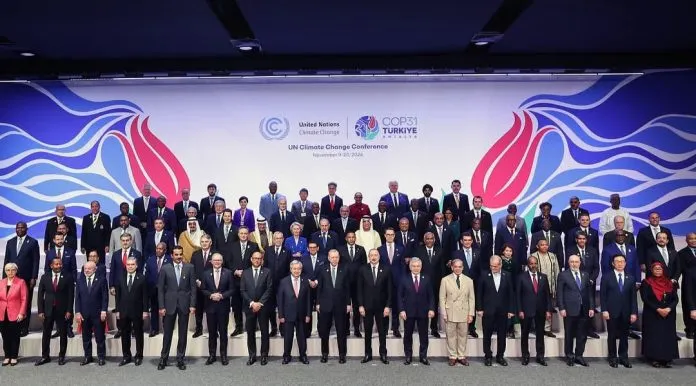
However, Afghanistan, one of the countries most vulnerable to climate change, has been unable to participate fully in the conference process in recent years. Afghan representatives attended COP29 in 2024 with observer status but had no representation at COP30 in 2025. This year, Afghanistan has again been invited to attend COP31 in Turkey as an observer, a status that differs from full participation in negotiations.
These restrictions have raised concerns about Afghanistan's access to international financial and technical assistance, as well as its ability to ensure that the needs of its people are reflected in global climate decisions.
Sayed Mohammad Soleimankhail, an environmental affairs expert, said Afghanistan's absence or limited participation in international climate conferences means losing opportunities to access funding, technical cooperation and discussions on global responses to climate change.
Soleimankhail said climate change should not be affected by political considerations or disputes over the international recognition of governments, as its consequences directly affect people rather than governments alone. He stressed that climate change does not recognise political borders or the recognition status of countries and affects communities regardless of their political circumstances.
In Afghanistan, the consequences of climate change are increasingly visible across different aspects of people's lives. Drought and water shortages have disrupted agriculture and livestock farming, undermining household livelihoods and contributing to displacement and migration.
Soleimankhail said people in many parts of Afghanistan lack the resources to recover from climate-related disasters, warning that the continuation of these conditions could further intensify the country's economic and humanitarian challenges.
One of the major concerns is Afghanistan's limited access to international climate financing, including the Green Climate Fund and other mechanisms designed to support climate action. These resources are particularly important for implementing adaptation programmes, reducing community vulnerability and supporting key sectors such as water management, agriculture and livestock farming.
The environmental expert warned that if Afghanistan remains unable to access these resources and participate effectively in international conferences, the vulnerability of its population will increase. He said the situation could lead to further displacement and migration and potentially worsen humanitarian conditions in some parts of the country.
To address the situation, Soleimankhail called for coordinated advocacy at both national and international levels. He said international organisations operating in Afghanistan, particularly the United Nations Assistance Mission and other UN agencies, should adopt a clear position on facilitating the country's participation in global climate conferences.
He also emphasised the need for cooperation among environmental experts, activists, relevant institutions and media organisations to present Afghanistan's climate vulnerabilities and the needs of its population to the international community with a unified voice.
At a time when Afghanistan is grappling with drought, water shortages and increasingly fragile household livelihoods, access to financial and technical assistance, alongside participation in global decision-making, could play an important role in reducing these challenges.
Soleimankhail stressed that climate change is an issue that transcends borders and political differences, warning that excluding the Afghanistan from international support would only deepen their hardships. He called for the voices of Afghans to be heard at global climate conferences and urged international partners to consider the country's needs in programmes supporting vulnerable nations, regardless of political considerations.

Legal Disclaimer:
MENAFN provides the
information “as is” without warranty of any kind. We do not accept any
responsibility or liability for the accuracy, content, images, videos,
licenses, completeness, legality, or reliability of the information
contained in this article. If you have any complaints or copyright issues
related to this article, kindly contact the provider above.


Comments
No comment