


The Grocery Store Seafood Label That Could Change What You're Paying For


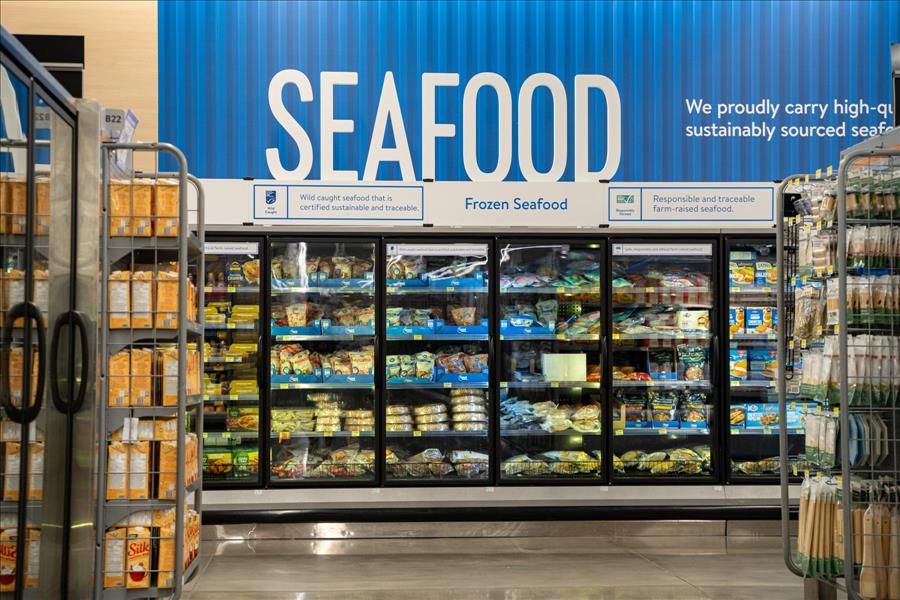
Two packages of similar-looking seafood can carry noticeably different prices, even when they appear to offer the same type of fish. One may be labeled wild-caught, while the other says farm-raised. That small detail can influence what shoppers pay, but many customers may not know exactly what the labels mean or whether the more expensive option is worth buying.
The distinction matters because wild-caught and farm-raised describe how the seafood was produced, not a guaranteed quality level. The label can also provide clues about where the product came from, which may help explain differences in availability and pricing. Before choosing the more expensive package, shoppers should understand what they are actually paying for.
1. Wild-Caught and Farm-Raised Are Not Just Marketing TermsThe words wild-caught and farm-raised describe two different methods of producing seafood. Wild-caught fish are harvested from non-controlled waters, while farm-raised fish are raised in controlled environments. The U.S. Department of Agriculture requires most covered fish and shellfish sold at qualifying grocery retailers to display their country of origin and method of production.
That means shoppers may see these details on a package, a seafood counter sign, or a label attached to the display. The distinction is useful because it tells customers something about how the fish was obtained. However, it does not automatically mean one product is fresher, healthier, or better tasting than the other. Those qualities depend on additional factors, including the species, handling, storage, and preparation.
2. The Wild-Caught Label Can Come With a Higher PriceWild-caught seafood can cost more because its supply depends on fishing conditions, seasonal availability, harvesting limits, and the amount of fish brought to market. Some species are also more difficult or expensive to catch and transport. When supply is limited or demand is strong, those factors can contribute to higher retail prices.
However, a higher price does not mean every wild-caught product is automatically worth the extra money. The difference depends on the specific fish, where it was harvested, and what shoppers are comparing. A wild-caught fillet may be a good purchase when its flavor or texture suits a particular recipe, but customers should not assume the label alone justifies a premium.
3. Farm-Raised Seafood Can Be a More Affordable AlternativeFarm-raised seafood is produced in controlled environments, which can make supply more predictable than relying entirely on wild harvests. That consistency can help make certain varieties more widely available throughout the year. For shoppers trying to keep seafood in their grocery budget, farm-raised options may offer a practical alternative to more expensive wild-caught products.
This does not mean all farm-raised seafood is inexpensive or that every variety costs less than its wild counterpart. Production costs, feed, transportation, species, and retailer pricing all influence the final price. Shoppers should compare the same species and similar cuts before deciding which option offers better value. A farm-raised fillet may work perfectly well for a weeknight dinner, even if a recipe or personal preference calls for a different option on another occasion.
4. The Country-of-Origin Label Adds Another Piece of the StoryThe production method is only part of the information shoppers should check. Seafood labels at most qualifying grocery stores must also identify the country of origin. A package might identify fish as wild-caught from one country or farm-raised in another. This information can help shoppers understand where the product originated rather than relying on the store's location or the brand name.
One detail worth recognizing is that seafood can be processed in a different country from where it was harvested or raised. Under USDA labeling rules, imported fish that undergoes substantial transformation in the United States may be labeled with its original country and a statement indicating that it was processed in the United States. That means a U.S. processing location does not necessarily mean the fish was caught or raised domestically. Reading the complete label gives shoppers a clearer picture than focusing on a single country reference.
5. The Label Does Not Tell You Whether the Seafood Is Better QualityIt is easy to interpret“wild-caught” as a sign of superior seafood, especially when the package costs more. But the production label does not serve as a quality grade. It does not guarantee that the fish has better flavor, a firmer texture, fewer contaminants, or a more desirable nutritional profile.
The way seafood is handled after harvest also matters. Temperature control, processing, packaging, and storage can affect the condition of the product by the time it reaches the grocery store. The Food and Drug Administration advises shoppers to look for seafood with a fresh, mild smell and to avoid fish that smells sour, rancid, or strongly fishy. Customers should consider the product's condition and storage information alongside the production label rather than treating one claim as proof of quality.
6. Compare the Seafood You Will Actually UseThe best way to make the label work in your favor is to compare similar products instead of automatically choosing the more expensive one. Look at the species, cut, package weight, country of origin, and whether the fish is wild-caught or farm-raised. Comparing different species can make the price difference difficult to interpret because some fish naturally cost more than others.
Also consider how you plan to prepare the seafood. A farm-raised option may be a sensible choice for fish tacos, pasta, casseroles, or a weeknight meal where the seafood is combined with other ingredients. A particular wild-caught variety may be worth the additional cost when its flavor or texture is central to the dish. The goal is to pay for the characteristics you actually want, not simply for a label that sounds more premium.
What to Remember Before Buying SeafoodThe wild-caught and farm-raised labels can help explain why two seafood products have different prices, but they should not decide for you. Production method, country of origin, availability, and handling all contribute to what shoppers receive for their money. A higher-priced package is not automatically a better-quality purchase, and a lower-priced farm-raised option is not automatically a compromise.
Before buying, read the entire seafood label and compare products of the same species whenever possible. Consider the price difference alongside the type of fish, where it came from, and how you intend to cook it. Understanding those details can help shoppers avoid paying extra for a label without knowing what that added cost actually represents.
Want the free grocery savings guide?
Get our state-by-state guide to the cheapest grocery stores, plus savings tips and hand-picked deals twice a month.
Email addressFree. Unsubscribe anytime.
Legal Disclaimer:
MENAFN provides the
information “as is” without warranty of any kind. We do not accept any
responsibility or liability for the accuracy, content, images, videos,
licenses, completeness, legality, or reliability of the information
contained in this article. If you have any complaints or copyright issues
related to this article, kindly contact the provider above.


Comments
No comment