


India Steps Up Efforts As Peacemaker Between Russia And Ukraine, Seeks Limited Yet Fruitful Outcomes: Report


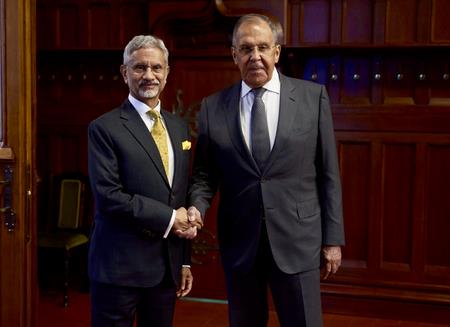
According to The Diplomat, on November 9, a day before US-mediated two-day talks between Russia and Ukraine began in Abu Dhabi, Prime Minister Narendra Modi called Ukrainian President Volodymyr Zelensky, following which External Affairs Minister (EAM) S. Jaishankar dialled his Russian counterpart, Sergei Lavrov.
Referring to Zelenskyy's post on X following the call, the report said: "According to the post, Zelenskyy briefed Modi 'on the latest diplomatic developments.' He also revealed that they 'discussed Russia's blocking of grain exports via the Black Sea' and claimed that 'India is ready to mediate in establishing food corridors'."
The report stated that India has its own reasons to make an attempt at peacemaking, as the prolonged war has been one of the three primary drivers of global economic disruption, and its end would matter greatly to New Delhi.
"First, it could ease pressures on energy and food security. The war has disrupted global oil and gas markets, forcing India, which imports most of its crude, to navigate volatile prices and shifting sanctions regimes. It has also squeezed supplies of fertiliser and edible oils, adding to domestic inflation,” the report noted.
Secondly, India's diplomatic bandwidth to strengthen relations with both Moscow and Washington could expand even with a limited relaxation of tensions between Russia and the West, allowing New Delhi to pursue its strategic autonomy without being seen as choosing sides, according to the report.
“Third, progress toward peace in Ukraine could give fresh momentum to India's growing economic and strategic partnership with Europe. Europe has emerged as a key player for New Delhi, with the long-negotiated India-EU free trade agreement, defence cooperation, and technology ties all gaining pace,” it said.
The report highlighted that EAM Jaishankar visited Ukraine on September 3, met Zelensky and held bilateral consultations with Ukrainian Foreign Minister Andrii Sybiha, marking the first-ever stand-alone bilateral visit by an Indian External Affairs Minister to Ukraine.
In October, India proposed a three-part truce aimed at halting attacks on energy facilities and other infrastructure, keeping grain and energy flowing through the Black Sea, and ending strikes on commercial shipping, it added.
Stating that the stakes are high enough that New Delhi is unlikely to step back, The Diplomat said,“With limited leverage over Moscow, India's realistic role may be less that of a peacemaker than a facilitator, using its access to both Moscow and Kyiv to keep channels open and push for humanitarian and economic arrangements such as the Black Sea food corridor.”

Legal Disclaimer:
MENAFN provides the
information “as is” without warranty of any kind. We do not accept any
responsibility or liability for the accuracy, content, images, videos,
licenses, completeness, legality, or reliability of the information
contained in this article. If you have any complaints or copyright issues
related to this article, kindly contact the provider above.


Comments
No comment