


5 Foods That May Be Cheaper Frozen Than Fresh


Fresh food often gets the most attention in the grocery store, but the freezer aisle deserves a closer look. Some ingredients are expensive to buy fresh, difficult to prepare, or sold in quantities that are hard to use before they spoil. Frozen versions can make these foods more affordable, especially when shoppers need only a small amount for a recipe.
GroceryCouponGuide may earn a commission when you buy through links in this article. As an Amazon Associate, we earn from qualifying purchases.
That does not mean frozen is automatically the better deal. Prices vary by store, brand, package size, and season. The U.S. Department of Agriculture's Economic Research Service has found that neither fresh nor processed produce is consistently cheaper. However, its comparisons show that frozen raspberries, for example, cost less than fresh raspberries per edible cup equivalent. These less-common foods are also worth checking in the freezer aisle.
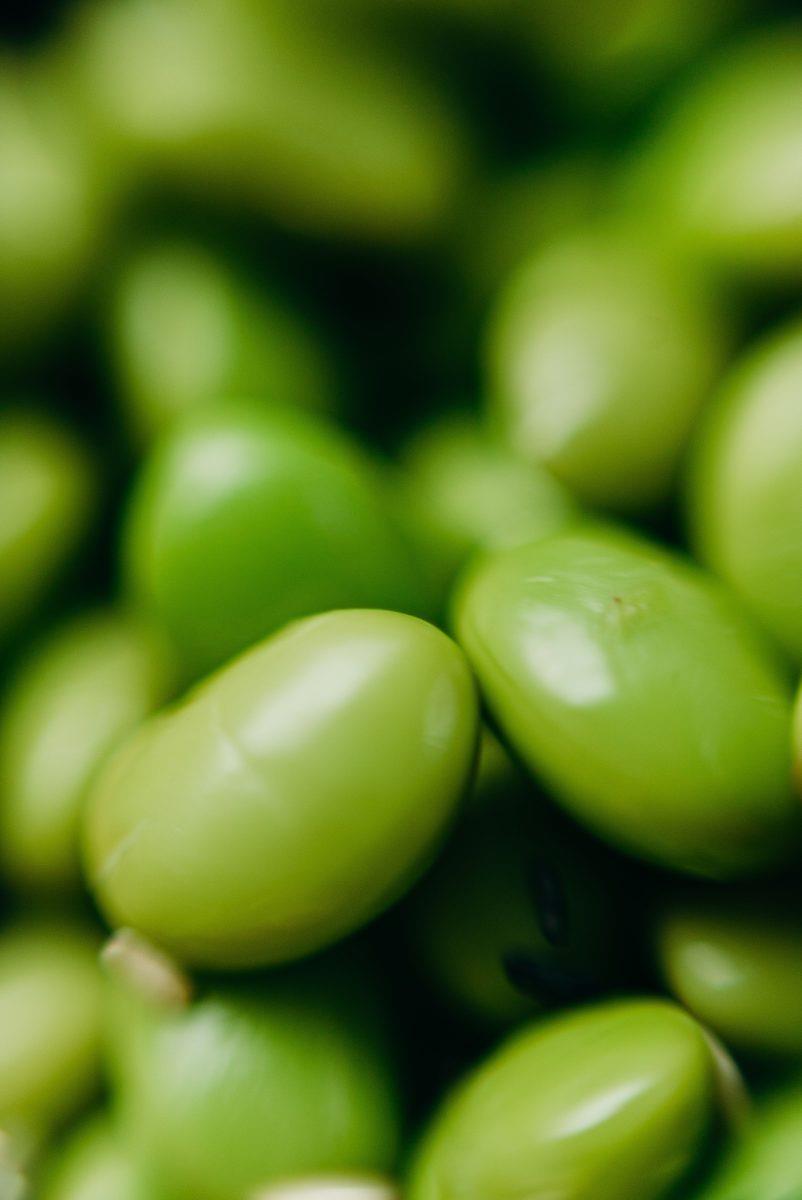
1. Shelled EdamameMany grocery stores don't carry fresh edamame, and when shoppers do find it, they often see it sold in pods. Frozen shelled edamame offers a convenient alternative because the beans are already removed from their pods. That means shoppers are paying for the portion they can actually eat instead of buying extra weight that gets discarded.
This can make a difference when adding edamame to salads, grain bowls, stir-fries, or pasta dishes. Frozen packages also make it easier to use only what a recipe requires and save the rest for another meal. Compare the price per edible ounce rather than comparing a bag of shelled beans with the total weight of fresh pods. The frozen option may offer better value, especially when fresh edamame is sold at a specialty-food markup.
2. Pearl OnionsPearl onions are a useful ingredient in stews, pot roasts, casseroles, and holiday side dishes, but preparing them fresh can be time-consuming. Their small size makes peeling several onions an inconvenient task, particularly when a recipe calls for only a handful. Frozen pearl onions are typically already peeled and ready to cook.
The savings are not always obvious from the package price. Fresh pearl onions include skins that must be removed, while frozen packages generally contain the usable onions. Shoppers should compare the amount of prepared food they receive rather than assuming the fresh option is cheaper because it looks less processed. Frozen pearl onions can be especially practical for occasional recipes when buying a larger fresh quantity would leave unused ingredients behind.
3. Fava BeansFresh fava beans can require several preparation steps before they are ready to eat. Depending on the variety and maturity, shoppers may need to remove the beans from their pods and peel an additional outer skin. That extra work also means the weight of the fresh package does not represent the amount that will end up in the finished dish.
Frozen fava beans can eliminate much of that preparation, depending on the product. They are useful in soups, pasta, salads, and Mediterranean-inspired dishes. Fresh fava beans may be worth buying when they are in season and reasonably priced, but frozen packages can be a better option when fresh supplies are limited or expensive. Check the package instructions to see whether the beans are already peeled before comparing prices.
4. Pomegranate ArilsPomegranates can be an expensive purchase when shoppers only want the seeds for a salad, yogurt bowl, dessert, or garnish. The whole fruit includes a thick outer peel and a substantial amount of material that is not eaten. Removing the arils also takes time, and buying several fresh fruits may be unnecessary for a recipe that needs only a small portion.
Tools that help (commission links)
FoodSaver vacuum sealer bags (8" and 11" rolls, 5-pack)
FoodSaver vacuum-sealer rolls can be cut to size and used to freeze leftovers or bulk buys, which helps limit freezer burn.
View product
Escali Primo digital kitchen scale
A basic digital kitchen scale for checking package weight when you compare unit prices at the store or portion bulk food at home.
View product
Frozen pomegranate arils offer another way to get the edible portion without preparing an entire fruit. They can be useful when fresh pomegranates are out of season or priced higher than usual. However, shoppers should compare the price per ounce of actual arils, not the weight of a whole pomegranate, against a frozen package. Frozen fruit may also be softer after thawing, so it is generally a better fit for smoothies, sauces, and cooked dishes than recipes that depend on firm, freshly separated seeds.
5. Passion Fruit PulpPassion fruit is another ingredient where the amount shoppers can use matters as much as the shelf price. Fresh fruit has a relatively small amount of edible pulp compared with its overall weight, and preparing several fruits can be necessary to collect enough for a recipe. That can become expensive when passion fruit is sold individually or treated as a specialty item.
Frozen passion fruit pulp can be a practical alternative for smoothies, desserts, sauces, and drinks. It is already separated from the outer fruit, allowing shoppers to use a measured amount without cutting and scooping multiple pieces of fresh fruit. A comparison by usable weight is particularly important here. Frozen pulp may offer a better value, but shoppers should check whether the package contains pure pulp, added sugar, or other ingredients before deciding which product is the better buy.
How to Tell Whether Frozen Is Actually the Better DealThe best way to compare fresh and frozen foods is to look beyond the price printed on the package. Consider how much of the fresh product is edible, whether it requires peeling or trimming, and how much you realistically plan to use. A lower-priced whole ingredient may not be the bargain it appears to be if a significant portion gets discarded.
It also helps to consider how the food will be prepared. Frozen ingredients are often a practical choice for soups, sauces, casseroles, smoothies, and other recipes where fresh texture is less important. Fresh options may still be the better purchase when they are in season, on sale, or needed for a dish that depends on their texture. Checking both sections before shopping can help prevent paying extra for ingredients that require more preparation than the recipe needs.
The Best Savings May Be in the Ingredients You Rarely BuyFrozen foods are not automatically cheaper, but less-common ingredients can offer shoppers a different kind of value. Shelled edamame, pearl onions, fava beans, pomegranate arils, and passion fruit pulp are worth comparing because preparation, edible portions, and seasonal availability can affect their overall cost. The smartest purchase is the one that gives you the amount you can actually use at the lowest practical price.
Want the free grocery savings guide?
Get our state-by-state guide to the cheapest grocery stores, plus savings tips and hand-picked deals twice a month.
Email addressFree. Unsubscribe anytime.

Legal Disclaimer:
MENAFN provides the
information “as is” without warranty of any kind. We do not accept any
responsibility or liability for the accuracy, content, images, videos,
licenses, completeness, legality, or reliability of the information
contained in this article. If you have any complaints or copyright issues
related to this article, kindly contact the provider above.


Comments
No comment