


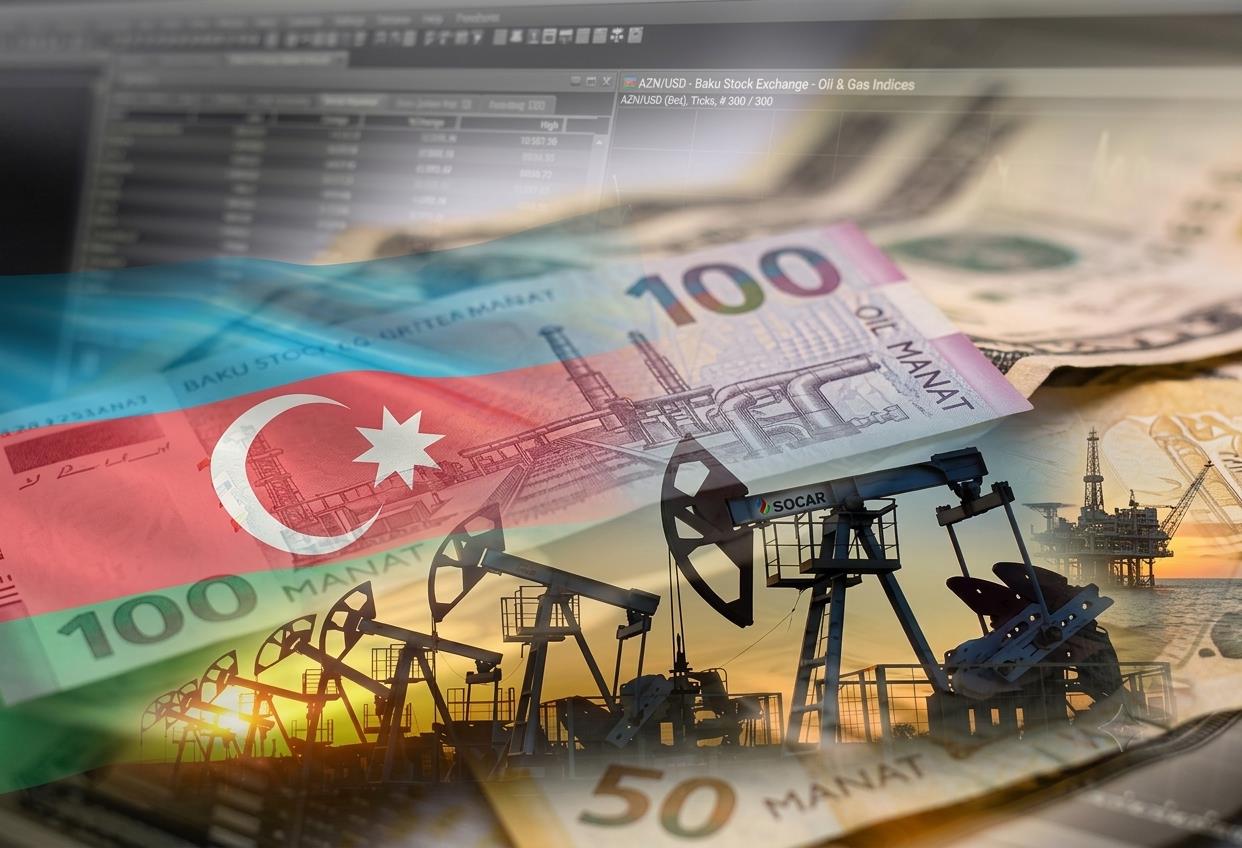
Azerbaijan Uses Tax Incentives To Accelerate Its Shift Beyond Oil


Azerbaijan's expanding tax incentive framework represents an important step in the country's efforts to reshape its economic structure, strengthen domestic production and increase the contribution of non-oil industries to national growth. By extending fiscal support to manufacturing, service exports, tourism and small businesses, the government is pursuing a broader economic strategy in which private sector investment, employment generation and export diversification become increasingly important drivers of prosperity.
The significance of these measures extends far beyond the immediate reduction of corporate tax liabilities. Tax incentives can influence investment decisions, redirect capital towards productive activities and encourage businesses to expand their operations. For Azerbaijan, this creates an opportunity to transform its considerable financial resources into a more diversified productive economy.
Manufacturing stands among the most important beneficiaries of this approach. Expanding domestic production can strengthen industrial capacity, increase the value added within the national economy and create stronger connections between suppliers, processors and distributors. Every new manufacturing facility generates demand for machinery, logistics, construction, maintenance and professional services. This multiplier effect allows industrial investment to stimulate economic activity across several interconnected sectors.
Azerbaijan already possesses considerable advantages in this area, including energy resources, transport infrastructure, strategic geographical positioning and access to regional markets. Combining these advantages with a more favourable tax environment could encourage entrepreneurs to establish production facilities and existing companies to expand their capacities. The development of food processing, construction materials, textiles, chemicals and other manufacturing industries could contribute to a broader industrial base and generate additional export opportunities.
Service exports represent another strategically important dimension of the proposed incentives. The global economy increasingly rewards countries capable of exporting knowledge, technology and professional expertise. Information technology, software development, engineering, consulting and digital services offer Azerbaijan an opportunity to participate in international value chains through highly skilled employment and relatively capital-efficient business models.
For example, an Azerbaijani technology company providing software solutions to European or Gulf clients generates foreign exchange income while employing domestic specialists. The economic benefits extend through salaries, household consumption, professional education and demand for supporting businesses. Fiscal incentives can improve the competitiveness of such companies, attract international contracts and encourage skilled professionals to develop their businesses within Azerbaijan.
Tourism also deserves particular attention. International visitors bring external purchasing power into the domestic economy, supporting hotels, restaurants, transport operators, entertainment facilities and cultural services. Tax incentives targeting businesses serving foreign tourists can strengthen Azerbaijan's position as a regional tourism destination and encourage investment in accommodation, hospitality and visitor infrastructure.
The country's geographical diversity, historical heritage, cultural attractions and expanding transport connectivity provide a substantial foundation for tourism development. Greater investment in regional destinations could distribute economic activity across different parts of the country, creating employment opportunities and supporting local entrepreneurship. Tourism spending also generates demand for agricultural products, construction services and transportation, strengthening the links between the service economy and domestic production.
Small business development constitutes another essential pillar of this strategy. Micro enterprises frequently encounter financial constraints during their transition towards larger operations. As businesses expand, their investment requirements, administrative responsibilities and employment costs increase. A supportive tax framework can facilitate this transition, encourage formal business activity and create stronger incentives for companies to recruit additional workers.
The economic value of successful small businesses lies in their cumulative contribution. Thousands of expanding enterprises can generate substantial employment, stimulate regional markets and strengthen competition. Their development also creates opportunities for suppliers, service providers and financial institutions, gradually deepening the domestic business ecosystem.
The extension of support measures to agriculture and healthcare adds a social and strategic dimension to the reform agenda. Agricultural investment can strengthen food processing, storage, packaging and distribution, increasing productivity throughout the agricultural value chain. Healthcare incentives can support private investment in medical infrastructure, equipment and specialised services, contributing to improvements in service capacity.
Ultimately, the effectiveness of Azerbaijan's tax policy will depend on its ability to convert fiscal advantages into measurable economic outcomes. Investment growth, manufacturing output, service export revenues, labour productivity and formal employment should remain central indicators of progress. Transparent eligibility requirements, predictable regulations and efficient administration will further strengthen business confidence.
Azerbaijan's financial resources provide a valuable foundation for this transformation. The next stage of economic development increasingly depends on productive private investment, technological capabilities and internationally competitive enterprises. A carefully designed system of tax incentives can connect these priorities, turning economic diversification into a stronger source of sustainable growth and positioning the non-oil sector as an increasingly influential pillar of national prosperity.

Legal Disclaimer:
MENAFN provides the
information “as is” without warranty of any kind. We do not accept any
responsibility or liability for the accuracy, content, images, videos,
licenses, completeness, legality, or reliability of the information
contained in this article. If you have any complaints or copyright issues
related to this article, kindly contact the provider above.


Comments
No comment