


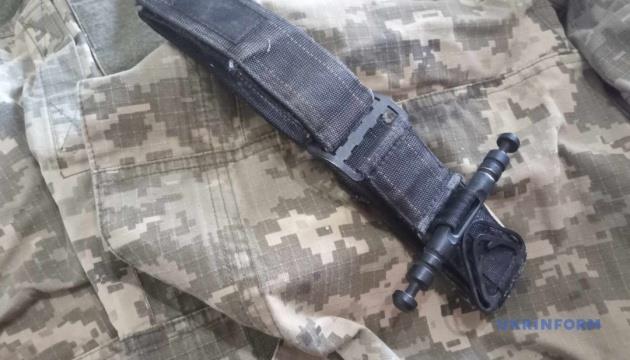
Vascular Surgeon Explains How Wounded People Should Use Tourniquets To Avoid Losing Limb


"Amputations resulting from improperly applied tourniquets are far from rare. It is important to remember that, to preserve a limb, a tourniquet should not remain in place for more than two hours. If conditions allow, it should be loosened every two hours and then reapplied," the doctor said.
At the same time, he noted that removing a tourniquet after two hours is not recommended if there is still a risk of massive bleeding. In such cases, the professor said, saving a person's life takes priority over saving the limb.
"The most horrific case was one in which a tourniquet led to gangrene and the amputation of an arm that had not been injured. Fellow soldiers applied the tourniquet on the battlefield after seeing that the entire arm was covered in blood. It later turned out that the blood had come from a wound on the soldier's thigh. During the nine hours it took to transport the wounded soldier, no one checked or loosened the tourniquet, and the arm's tissue died completely," the professor said.
He added that military personnel are now given thorough training on the proper use of tourniquets. However, when an injured person is unconscious or has impaired consciousness, they cannot keep track of how long the tourniquet has been in place, while those transporting them may be occupied with more seriously wounded casualties.
Read also: Latvia to receive wounded Ukrainian soldiers for treatment more frequentlyAs the agency reported, up to 30% of amputations are associated with post-tourniquet syndrome.

Legal Disclaimer:
MENAFN provides the
information “as is” without warranty of any kind. We do not accept any
responsibility or liability for the accuracy, content, images, videos,
licenses, completeness, legality, or reliability of the information
contained in this article. If you have any complaints or copyright issues
related to this article, kindly contact the provider above.


Comments
No comment