


Expiry Date Vs Best Before: What Is The Difference And Can You Eat Food After These Dates?


Expiry date and best before date have different meanings when it comes to food safety. Understand what these labels indicate, whether food is safe to consume afterwards and how to read packaged food dates correctly.
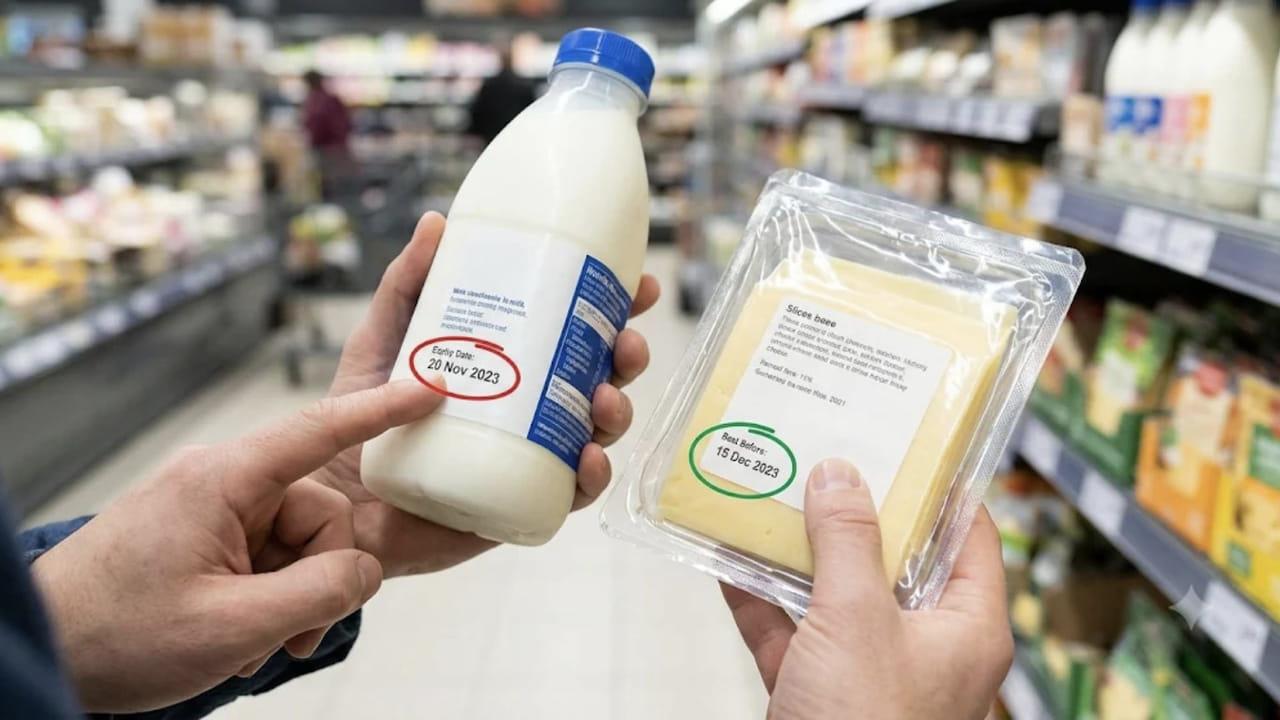
The expiry date is the last date recommended by manufacturers to use products. The item shouldn't be used after this date has passed. The expiry date can only be found on medicines, baby formula for small children, and certain dairy products. If a medicine has an expiry date of 15th November, then it can no longer be used after this date.
Some medicines will lose some of their properties after this date and may not work as well as they should. In some situations using expired medicines can cause issues with your health. This is why it is very important that you do not use expired medicines or related products. Extra care should be taken with baby food items.
Best before refers to the date up until which the food will be at its best quality. You will get the best taste, smell, texture and quality if eaten before this date. These details can usually be found on foods such as biscuits, crisps, dals, sauces etc. However, the food won't go off straight away.
In some cases, you can still eat the food after the best before date, but you must store it correctly according to manufacturer's guidelines. The food may not taste as nice, smell as nice, be as crispy and may not be as good quality. Overall best before means the food will be at its best quality.
The difference between these two is the reason they're there. The expiry date is telling you the last date you can use the product. Once this date has passed you shouldn't use the item. The best before date is telling you up until when the food will be at its best quality.
For example, if a packet of biscuits has a best before of 10th December, then the biscuits may not taste as nice or be as crispy after this date. This does NOT mean they've gone off though. If a medicine has an expiry date of 10th December, then you simply can't use it after this date.
Overall, you shouldn't use items after the expiry date. If you use items before the best before date, then they'll be at their best quality. Knowing the difference between these dates can help you make better decisions when buying and using food items.
As we have mentioned, you can still eat certain foods after their best before date, but you must make sure they're in a good condition. If the packet looks swollen, smells strange when opened, or has any mould then you shouldn't eat it. If you notice any changes such as discolouration, dampness or stickiness you should take care.
Most importantly you must follow the storage guidelines on the packet. Some items must be stored in a cool place whilst others must be placed in the fridge. If they aren't stored at the correct temperature they could go off before their best before date.
Never assume that the food is safe to eat based on the date. Always check the storage conditions, packet and any changes.
There are a few things to remember when purchasing food items from supermarkets/kiranas. Firstly, always check the manufacturing date, expiry date or best before date on the packet. Consider how quickly you'll be able to use the product. Never purchase torn, swollen or broken sealed packets.
Once you've purchased the food items you must store them as instructed. Make sure no air or moisture gets into the packet. Once opened you shouldn't assume the best before date still applies. Follow the manufacturers guidelines for how long you can store the food for.
Overall, expiry date and best before do not mean the same thing. Knowing the difference can help you easily avoid any health issues caused by using expired products. From now on always check the dates on the packet.

Legal Disclaimer:
MENAFN provides the
information “as is” without warranty of any kind. We do not accept any
responsibility or liability for the accuracy, content, images, videos,
licenses, completeness, legality, or reliability of the information
contained in this article. If you have any complaints or copyright issues
related to this article, kindly contact the provider above.


Comments
No comment