


WHO Urges Accelerated Regional Action To End Tuberculosis Crisis Now


WHO Urges Accelerated Regional Action To End Tuberculosis Crisis Now
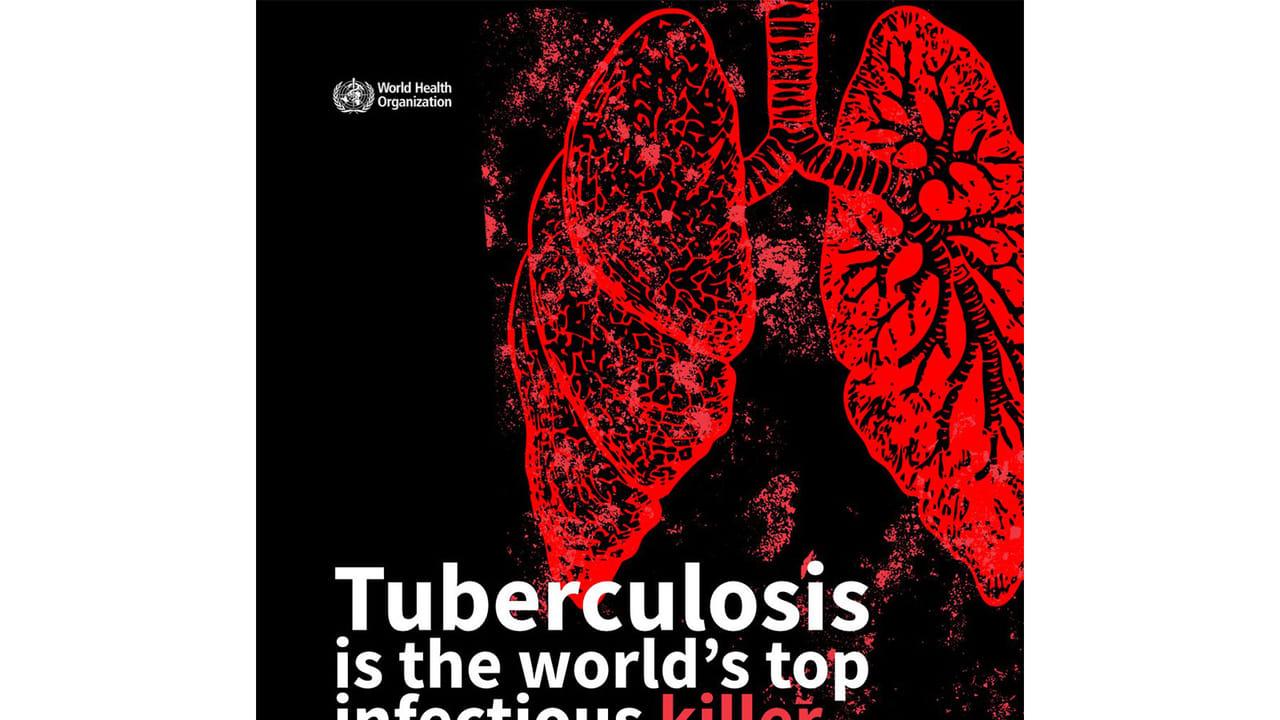
The World Health Organization (WHO) on Friday called on countries in the South-East Asia Region to accelerate action to end tuberculosis with stronger political leadership, enhanced domestic investment, expanded access to newer rapid diagnostics and treatment through coordinated action across sectors. The latest TB estimates show the Region accounts for 3.6 million people who developed TB in 2025 – 34% of the global total – and 400000 TB-related deaths, or 35% of the global total.
The Region also accounted for around 38% of the global burden of rifampicin-resistant and multidrug-resistant TB, with an estimated 140000 people developing these forms of the disease.“These numbers are a stark reminder that TB remains one of the Region's most pressing public health and development challenges. Behind every statistic is a person, a family and a community affected by a disease that is preventable and curable,” said Dr Nilesh Buddha, Officer-in-Charge, WHO South-East Asia Region.
Despite the high disease burden, countries in the Region have made important gains. In 2025, 87% of people with TB were reached with diagnosis and treatment services, compared with 79% globally. Treatment success rates were also higher than the global averages, at 93% for drug-susceptible TB and 74% for rifampicin-resistant TB. However, gaps remain in early detection. Only 47% of people with new and recurrent TB were tested using WHO-recommended rapid diagnostic tests at diagnosis. Wider access to rapid molecular diagnostics is essential to detect TB and drug resistance early and ensure timely treatment.
Since 2015, TB incidence in the Region has declined by 18%, while deaths have fallen by 31% – both short of the End TB Strategy's 2025 milestones. The drivers of TB extend beyond the health sector: undernutrition contributes to an estimated 450 000 new cases annually and diabetes to around 400 000. Smoking, harmful alcohol use and HIV co-infection are also among important risk factors. The financial impact on families remains severe. An estimated 44% of people affected by TB and their households face catastrophic costs. Diagnosis and treatment must therefore be accompanied by social protection, including nutritional and financial support.
At the Seventy-ninth Session of the WHO South-East Asia Regional Committee, held in September 2026, Member States adopted a resolution reaffirming their commitment to ending TB by 2030. The resolution calls for accelerated efforts to find people with TB early through systematic screening of populations at risk, active case-finding and wider use of rapid molecular diagnostics; prevent TB through preventive treatment for household contacts and people living with HIV, while addressing undernutrition, diabetes and tobacco use; and integrate quality TB prevention, diagnosis and treatment into primary health care to also accomplish universal health coverage. It also emphasises protecting affected households through social protection, nutritional assistance and financial support, addressing stigma and discrimination, and sustaining domestic investment in essential services, diagnostics, medicines and community-based responses.
In 2025, US$1.03 billion was available for TB prevention and care in the Region, with an impressive 91% from domestic sources. Yet this represented only around 16% of global TB funding, despite the Region accounting for 34% of global cases. Closing this gap in resources is critical to sustaining progress.“Ending TB is not simply a health sector responsibility. It requires leadership across government, sustained investment, strong health systems and communities at the centre of the response. We have tools to prevent, diagnose and treat TB. What is needed now is the commitment to ensure they reach everyone who needs them, without delay or financial hardship,” said Dr Buddha. Ending TB by 2030 will depend on countries turning political commitments into measurable action, with greater urgency and scale.

Legal Disclaimer:
MENAFN provides the
information “as is” without warranty of any kind. We do not accept any
responsibility or liability for the accuracy, content, images, videos,
licenses, completeness, legality, or reliability of the information
contained in this article. If you have any complaints or copyright issues
related to this article, kindly contact the provider above.


Comments
No comment