


The $0 Gardening Material You May Be Throwing Away Every November


Every November, homeowners spend hours raking up something that could actually save them money in the garden. They stuff it into bags, drag it to the curb, and sometimes even pay to have it hauled away. Then, when spring arrives, many of those same gardeners head to the store to purchase mulch, compost, and soil amendments. The overlooked material is something nearly every tree-filled yard produces for free: fallen leaves. Instead of treating them like seasonal garbage, gardeners can turn those leaves into valuable resources that improve soil, protect plants, and reduce next year's landscaping expenses.
Fallen Leaves Are Worth More Than You Might ThinkA pile of autumn leaves might not look valuable, but it contains organic matter and nutrients that can benefit your garden. Penn State Extension explains that fallen leaves can be recycled into free mulch and soil amendments instead of being discarded. As they decompose, leaves return nutrients to the soil while supporting the organisms responsible for breaking down organic material. They also help improve soil structure, which can make a noticeable difference in gardens with heavy clay or sandy soil. For homeowners trying to reduce gardening expenses, keeping leaves on the property can mean purchasing fewer bags of commercial landscaping products.
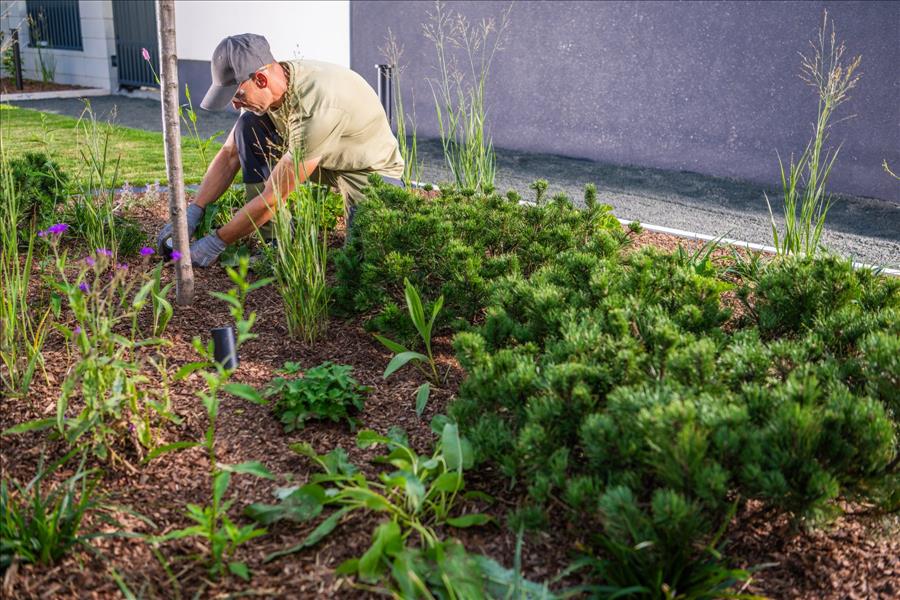
Turn Them Into Free Mulch for Flower BedsOne of the simplest ways to reuse fallen leaves is to spread them around established plants as mulch. A layer of shredded leaves can help reduce moisture evaporation, moderate soil temperatures, and discourage some weed growth. The Environmental Protection Agency identifies leaves as an organic mulching material that gradually improves soil conditions as it decomposes. For ordinary growing-season mulching, a moderate layer is generally preferable to a thick, compacted blanket that restricts water and air movement. Keep mulch a few inches away from tree trunks and woody stems to reduce the risk of moisture-related damage.
Make Leaf Mold Without Buying a Compost BinLeaf mold sounds like something gardeners should avoid, but it's actually a useful soil amendment made from decomposed leaves. Unlike traditional compost, which usually combines nitrogen-rich and carbon-rich materials, leaf mold relies primarily on leaves breaking down over time. The finished material is dark, crumbly, and especially helpful for improving soil structure and water retention. You can make it by collecting leaves in a simple wire enclosure or designated pile, moistening them, and allowing decomposition to occur. The process may take a year or longer, depending on conditions, but it requires little money and produces material that can be added to garden beds.
Shred Leaves Into Your Lawn Instead of Bagging ThemNot every fallen leaf needs to be raked into a pile or moved to a flower bed. Running a mulching mower over dry leaves can break them into small pieces that settle between grass blades and gradually decompose. The University of Minnesota Extension explains that mulched leaves return nutrients, including nitrogen, phosphorus, and potassium, while improving soil conditions. However, excessive leaf accumulation can smother turfgrass and increase the risk of lawn diseases. The university advises collecting excess leaves once shredded material becomes so heavy that less than half the lawn remains visible.
Protect Garden Beds During Freezing WeatherFallen leaves can also help protect certain garden plants from winter temperature fluctuations. In colder regions, repeated freezing and thawing can push shallow-rooted perennials upward, potentially exposing their roots to damaging conditions. Winter mulch helps moderate those fluctuations and protect vulnerable plants. For cold-climate perennial beds, the university suggests applying protective mulch after the soil begins freezing rather than covering plants too early. A suitable layer of leaves can provide insulation without requiring gardeners to purchase additional straw or commercial mulch.
Add Leaves to Your Compost Pile for Better BalanceAnyone who composts kitchen scraps knows that a pile of wet vegetable waste can become unpleasant when it lacks enough dry material. Fallen leaves provide the carbon-rich ingredients needed to balance nitrogen-rich scraps and support decomposition. The EPA's home composting guidance specifically lists dry leaves among the recommended brown materials for backyard compost piles. Mixing leaves with vegetable scraps, grass clippings, and other appropriate ingredients helps maintain a healthier composting environment when moisture and airflow are managed properly. Saving several bags of dry leaves in autumn can also give gardeners a convenient supply of carbon-rich material throughout winter and spring.
Create Better Conditions for Beneficial InsectsA spotless garden may appeal to homeowners, but removing every leaf can also eliminate shelter used by beneficial insects. Some native bees, butterflies, moths, and other organisms spend part of their life cycles in leaf litter or protected garden debris. Gardeners should leave some leaves in perennial beds and beneath shrubs to support overwintering wildlife. Keeping leaves in selected garden areas can preserve habitat without requiring homeowners to abandon lawn maintenance entirely. A practical compromise is to clear walkways and heavily covered turf while leaving undisturbed leaf litter beneath appropriate trees and shrubs.
Improve Soil Without Purchasing More AmendmentsGarden soil gradually loses organic matter through decomposition, cultivation, and other natural processes. Incorporating finished leaf mold or compost into planting beds can help improve the soil's ability to retain moisture and support healthy root growth. Finished compost improves soil structure and can reduce the need for certain purchased fertilizers and soil amendments. This doesn't mean leaves replace every nutrient your plants need, especially if a soil test reveals a specific deficiency. However, using homemade organic matter can reduce how much commercial compost or soil conditioner you need to purchase each growing season.
Know Which Leaves Shouldn't Go Into Your GardenAlthough fallen leaves are useful, gardeners shouldn't automatically reuse every pile they collect. Leaves showing signs of serious disease may require special handling, depending on the pathogen and whether the composting process reaches temperatures sufficient to destroy it. Try keeping diseased and pest-infested plant materials out of ordinary backyard compost piles. Avoid collecting leaves from areas where they may be contaminated with road debris, chemicals, or other unwanted materials. When in doubt about a particular tree disease or pest, consult your local cooperative extension office before spreading questionable material around healthy plants.
The Savings Come From Using What You Already HaveConsider a gardener who normally buys six bags of mulch each spring at $5 per bag. Replacing those purchases with properly prepared leaves could save $30, assuming the homemade material is suitable for the same purpose. Add the potential savings from producing compost and reducing yard-waste disposal, and the financial benefits become more noticeable over time. The exact savings depend on local prices, garden size, available leaves, and whether special equipment or additional labor is required. Fortunately, gardeners who already own a rake, mower, or compost enclosure may be able to reuse their leaves without spending anything extra.
Your November Cleanup Could Become Next Spring's Garden UpgradeFallen leaves aren't just an unavoidable autumn chore; they're a renewable resource that arrives in many yards every year. Whether you shred them into the lawn, spread them around shrubs, or let them decompose into leaf mold, they can serve several useful purposes without requiring a trip to the garden center. The key is matching the material to the right location and avoiding thick layers that could smother grass or damage plants. By keeping at least some of those leaves instead of sending them to the curb, you can improve your garden while keeping more money in your pocket.
Do you reuse fallen leaves in your garden, or do you usually bag them up and throw them away?

Legal Disclaimer:
MENAFN provides the
information “as is” without warranty of any kind. We do not accept any
responsibility or liability for the accuracy, content, images, videos,
licenses, completeness, legality, or reliability of the information
contained in this article. If you have any complaints or copyright issues
related to this article, kindly contact the provider above.


Comments
No comment