


Marvel Comics' $3.99 Era Ends: What The Death Of A Key Price Point Means For Comic Book Fans And The Industry


This post includes affiliate links. If you purchase anything through these affiliated links, the author/website may earn a commission.
For years, the $3.99 era represented a kind of sweet spot in the comic book industry. It wasn't exactly cheap, especially for collectors who buy dozens of books monthly. Still, it remained a psychological threshold that many readers accepted. A weekly stack of comics could still feel manageable, even in this economy. Retailers could still pitch ongoing series to casual readers without too much sticker shock. Most importantly, fans knew there was at least a baseline entry point into the Marvel Universe. However, as the $3.99 era ends, fans and the industry wonder what comes next.
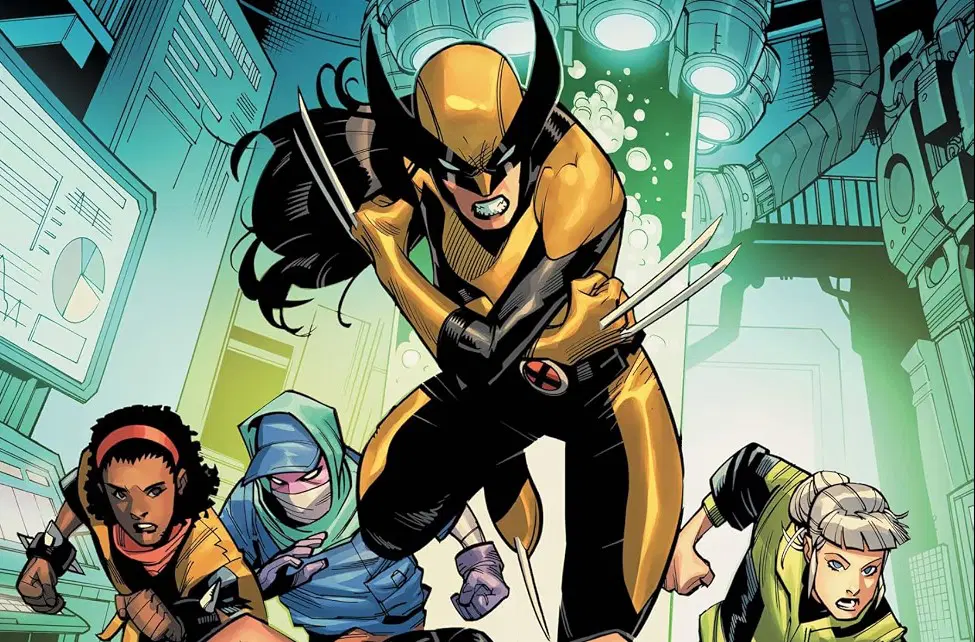
According to reporting by Comics Beat, Marvel Comics is currently phasing out the $3.99 price point across its publishing line. Generation X-23, which ends its run this month, will be the last Marvel Comic with the $3.99 price point.
The $3.99 Era EndsThe move marks one of the most significant pricing shifts in modern comic publishing. It also raises major questions about affordability, accessibility, and the future of monthly, physical comic books.
Will the move drive more readers to digital? Will driving fans to digital defeat the purpose of increasing prices? Also, comic book fans could become more frugal and discerning when buying comics and strategically buy certain comics instead of taking chances.
For longtime collectors, this isn't just another price increase. It feels like the official end of a pricing model that helped define modern comics for nearly two decades.
The Dawn of the $4.99 ComicMarvel would traditionally price new comics at $4.99 and then lower it to $3.99. That practice stopped beginning in April 2026. Instead, the higher $4.99 cover price remained in place for subsequent issues.
Series such as Infernal Hulk, Fantastic Four, Doctor Strange, Moon Knight, Black Cat, and Deadpool all saw price increases over several months. By the second half of the year, Generation X-23 stood as the lone remaining Marvel title at $3.99. No additional Marvel books have been solicited at the lower price point.
The significance of this change cannot be overstated. For many readers, $3.99 wasn't just a price. It was the industry standard. Also, if Marvel succeeds with its new $4.99 price point, other publishers could follow suit.
Why Marvel Is Moving Away From $3.99Marvel has not publicly framed the decision as a company-wide initiative, but the trend is undeniable. Rising production costs, higher paper expenses, distribution changes, inflation, and increasing creative costs have all placed pressure on publishers across the industry.
The reality is that comic books remain a niche physical media product. While comic sales can still generate impressive revenue during major events or relaunches, the audience buying monthly single issues is considerably smaller than it was decades ago. Publishers increasingly rely on dedicated collectors rather than casual readers.
When viewed through a business lens, a $1 increase may appear relatively minor. Moving a title from $3.99 to $4.99 represents a 25% increase in revenue per issue sold, assuming sales remain relatively stable. As print costs rise, publishers often find it easier to increase prices than to dramatically increase circulation.
That's the challenge facing Marvel. In a shrinking direct-market ecosystem, raising prices is often viewed as the safest path to maintaining profitability.
It also doesn't help that DC Comics commands the majority of the comics market. DC Comics' Absolute Comics line sold over 8.2 million units in 2025. Marvel is the number two comics publisher out of the Big 2 now; as the $3.99 era ends, Marvel might be strategizing its next business move.
What This Means for ReadersFor comic book fans, this change is much more personal than a simple accounting decision. Think about the collector who buys ten Marvel books per month. As the $3.99 era ends, that pull list cost roughly $40 before taxes. At $4.99 per issue, the same stack now approaches $50. Expand that across an entire year, and readers are spending well over $600 or more for the same number of comics.
That math becomes even more concerning for families, younger readers, and newcomers curious about getting into comics. One of the industry's biggest challenges has always been attracting new readers. Asking someone to spend $4.99 or more for a single chapter of a story creates a significantly higher barrier to entry.
Longtime collectors may absorb the increase, but newer readers often evaluate value differently. As the $3.99 era ends, the era of the frugal comic buyer may rise. This move could backfire; comic book readers, traditional and casual, could become more discerning and strategically buy fewer comics.
Five dollars for twenty to thirty pages of story can feel difficult to justify when compared to other forms of entertainment competing for the same dollars. This is where the industry must tread carefully. Every price increase risks turning occasional readers into former readers.
The Impact on Comic ShopsLocal comic shops arguably face an even more complicated situation. On one hand, higher cover prices can increase overall sales revenue. If demand remains strong, retailers may generate more income from the same number of books sold.
On the other hand, higher prices often lead customers to become more selective. Readers who previously bought eight or ten comics may cut their lists to five or six. Others may abandon monthly comics altogether and wait for collected editions, hardcover releases, or digital subscriptions.
Comic shops thrive on routine spending. Customers coming in every Wednesday, browsing new releases, and making impulse purchases remain essential to retailer success. If consumers trim pull lists because every book now costs more, stores could see reduced traffic and smaller overall purchases.
The Guardian wrote about the apocalyptic pace of comic book store closings in 2019 in the aftermath of Avengers: Endgame. Bleeding Cool wrote about the apocalyptic pace of comic book store closings in early 2026. The challenge for Marvel isn't simply making $4.99 comics the new standard; it's making sure that struggling comic book shops don't disproportionately bear the consequences of the decision.
Comic book shops must now convince readers that every $4.99 issue on their list still deserves a place there.
The Wider Industry ImplicationsMarvel's decision could have ripple effects across the entire industry.
Interestingly, competitors haven't followed exactly the same path. Reporting from industry sources shows DC Comics still maintains numerous $3.99 titles, while Image Comics continues offering many standard-sized books at that price point.
That creates an intriguing situation. If Marvel readers prove willing to accept the higher pricing model, other publishers may feel encouraged to follow suit. If sales decline, publishers may instead view $3.99 as a competitive advantage against Marvel.
Comic book history suggests that major publishers often influence one another's strategies. Pricing shifts rarely occur in isolation.
The outcome could shape comic book pricing across the entire industry.
The Digital QuestionPerhaps the most fascinating aspect of this story involves digital comics.
While Marvel has not formally connected the two developments, many collectors are paying close attention. If physical prices rise while digital incentives diminish, readers could begin reassessing how they consume comics altogether.
Subscription platforms, digital libraries, collected editions, and graphic novels continue gaining popularity because they often provide better value than monthly single issues. For budget-conscious readers, purchasing a trade paperback may increasingly make more sense than buying five or six individual installments at $5 a pop.
Additionally, readers could begin to use digital comics as a testing ground before buying physical comics. The new $4.99 price point could help readers become cautiously selective buyers and use digital comics to screen the few comics they might buy.
The FutureThe disappearance of the $3.99 comic feels symbolic because it represents more than a price increase. It reflects broader changes in how comics are published, sold, and consumed. The direct market has survived distributor collapses, economic downturns, speculator booms, and dramatic shifts in entertainment consumption. Yet each challenge has required adaptation. Today's challenge revolves around affordability and perceived value.
However, success won't be determined solely by short-term revenue. The real question is whether Marvel can continue attracting new readers while asking them to pay more than ever before for individual issues. The end of the $3.99 comic marks the close of a significant chapter in modern comic book history. For many collectors, it feels like the latest reminder of how much the hobby has changed since the days of dollar comics, spinner racks, and impulse purchases.
Marvel's decision may ultimately prove necessary from a business standpoint, but it also places renewed pressure on creators and publishers. If readers are paying $4.99 or more for every issue, expectations will rise accordingly. Fans will demand stronger stories, higher-quality artwork, and experiences that justify the increasing cost.
The age of the $3.99 Marvel comic is ending. What comes next will determine the future of the monthly comic book itself.
Allen FrancisAllen Francis is the lead staff writer for PFAdvice at District Media, Inc., specializing in comic book investing, collectibles, popular culture, and practical wealth-building strategies. A New York City native, Marymount Manhattan College graduate, and former college academic advisor, librarian, and adjunct instructor, he brings 15+ years of professional writing experience and a proven personal transformation from financial illiteracy to expert collector. He also the author of The Casual's Guide: Why You Should Get Into Comic Book Investing.
Tags: comic books, DC Comics, Marvel Comics
Legal Disclaimer:
MENAFN provides the
information “as is” without warranty of any kind. We do not accept any
responsibility or liability for the accuracy, content, images, videos,
licenses, completeness, legality, or reliability of the information
contained in this article. If you have any complaints or copyright issues
related to this article, kindly contact the provider above.


Comments
No comment