


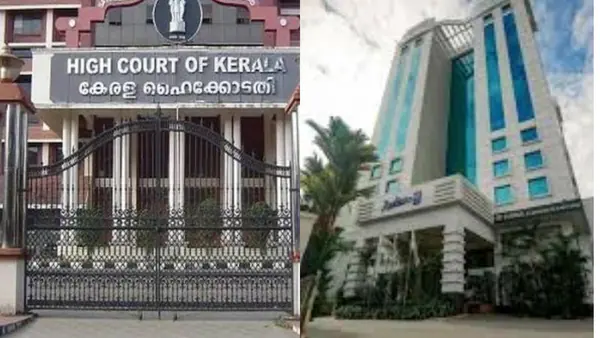
Kerala HC Allows Kochi's Radisson Blu To Operate Till 3 Am: Why Did Court Reject Police Curbs On Late-Night DJ Parties?


Justice Murali Purushothaman passed the order on Tuesday while hearing a petition filed by the hotel challenging restrictions imposed by the Assistant Commissioner of Police and the Kadavanthra Police Inspector. The ruling means the hotel can avail of the additional three hours permitted under the amended Foreign Liquor Rules during the 2026-27 financial year, except on the eve of a statutory dry day.
Why did Radisson Blu approach the Kerala High Court?The dispute arose after Kochi police issued notices restricting DJ programmes at the Radisson Blu hotel beyond 11 pm and imposing curbs on the bar's operating hours.
The hotel argued that it had secured the necessary permission from the Excise Department to extend its operations until 3 am under its FL-3 liquor licence. It had also paid ₹5 lakh towards the prescribed fee for the extended operating hours.
Also Read | Kochi airport iPhone row: What is the customs duty dispute about?The management contended that the police could not independently impose restrictions that contradicted the extended permission granted under the Foreign Liquor Rules. It challenged the notices as legally unsustainable and argued that the restrictions interfered with its right to conduct business under Article 19(1)(g) of the Constitution.
What did the Kerala Police argue?The police defended their restrictions by citing concerns over the increasing number of late-night entertainment venues and alleged incidents of drug-related offences, violence and crimes against women associated with such gatherings.
According to an affidavit filed by the Kochi Police Commissioner, the number of establishments conducting late-night entertainment events had increased from three to more than 34.
The police also highlighted the commercial scale of these events, stating that organisers charged entry fees ranging from ₹1,500 to ₹6,000 per person, while table reservations could cost as much as ₹20,000.
Also Read | Inside Fahadh Faasil and Nazriya Nazim's Kochi homeThe police further referred to incidents allegedly connected with DJ parties, including a violent clash, an NDPS case involving the arrest of eight people over the possession of ganja, MDMA and cocaine, and an incident involving rioting and damage to hotel property.
The authorities maintained that an FL-3 licence permitted hotels to serve liquor and food during authorised hours but did not automatically grant an unrestricted right to organise high-decibel DJ events or large gatherings late at night.
Why did the Kerala High Court reject the police restrictions?The High Court held that the possibility of criminal activity at late-night entertainment events was not sufficient legal justification for cutting short the operating hours granted under the Foreign Liquor Rules.
As per LiveLaw, the court observed,“Mere possibility of criminal activities cannot, by itself, constitute sufficient justification for imposing restrictions under the Kerala Police Act on the extended operating hours of FL3 hotels permitted under the Foreign Liquor Amendment Rules."
Also Read | Kochi airport accuses SpiceJet of misinformation; airline respondsIt further clarified that police authorities could take action against actual criminal activities instead of imposing blanket restrictions based on apprehensions.
The court said, "If the police have reason to believe that criminal activities including use of narcotic substances are taking place under the guise of DJ parties or other entertainment programmes in hotels, it is the responsibility of the police to take stringent action in accordance with law to curb the same.”
The High Court also held that until the state government frames appropriate rules specifying exceptions to the extended operating hours, police cannot override the permissions granted under the Foreign Liquor Rules without special grounds justifying such restrictions.

Legal Disclaimer:
MENAFN provides the
information “as is” without warranty of any kind. We do not accept any
responsibility or liability for the accuracy, content, images, videos,
licenses, completeness, legality, or reliability of the information
contained in this article. If you have any complaints or copyright issues
related to this article, kindly contact the provider above.


Comments
No comment