


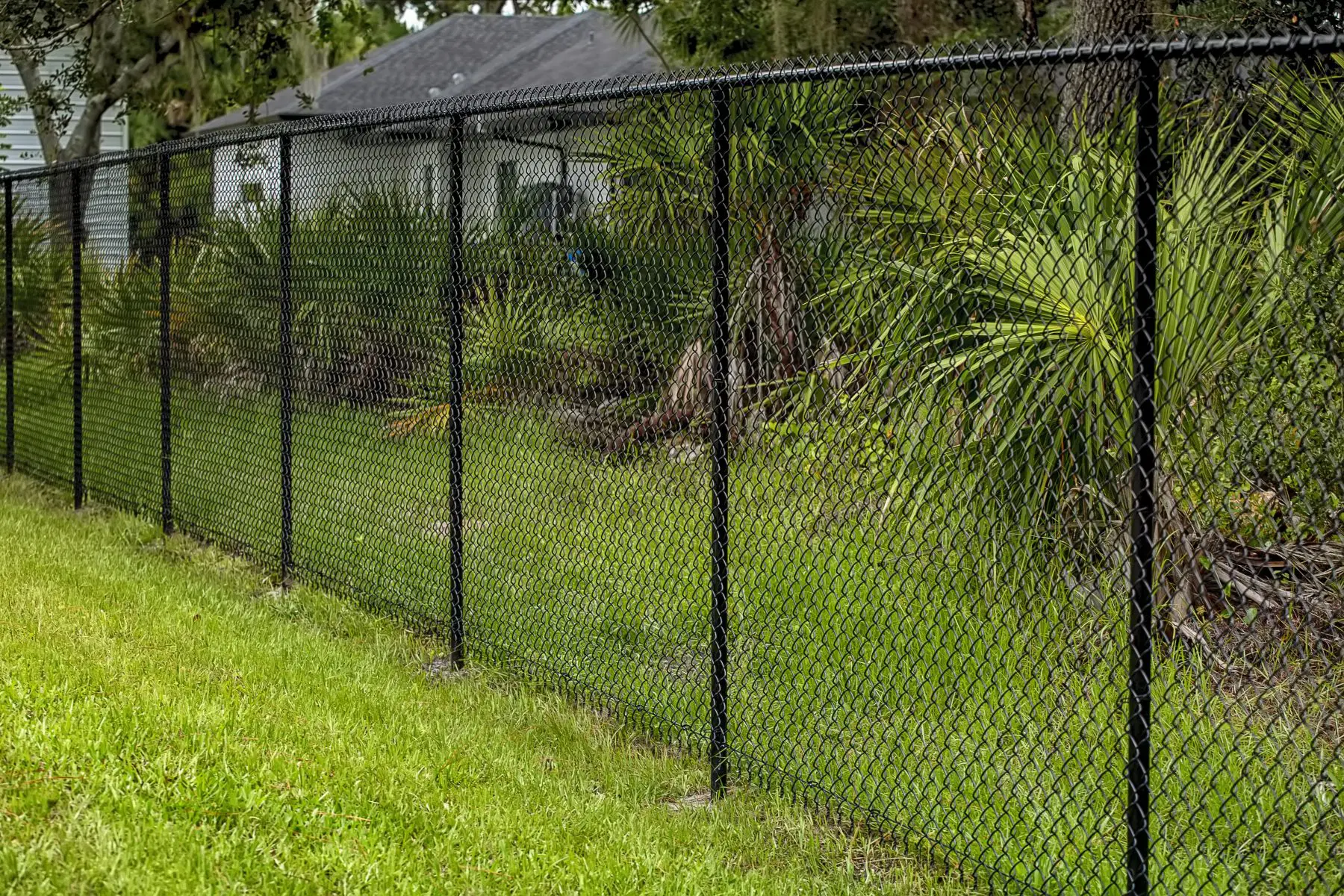
Your Neighbor Builds A Fence On Your Property - Who Has To Pay To Fix It?


One of the biggest misconceptions about property boundaries is that an existing fence marks the legal dividing line between two properties. In reality, fences are sometimes installed several inches or feet away from the actual boundary, either intentionally or by mistake. A previous homeowner might have placed a fence inside their property to avoid a dispute or accommodate landscaping. The Texas State Law Library explains that property boundaries and fence ownership can involve separate legal considerations. Before accusing a neighbor of encroachment, homeowners need reliable evidence establishing where the boundary actually lies.
You May Have to Pay for a Survey FirstIf you suspect a fence crosses your property line, a professional land survey is often the most important first step. A licensed surveyor can examine legal descriptions, property records, monuments, and other evidence to identify the boundary. FindLaw's property boundary guidance explains that the person requesting a survey generally pays the initial expense, although neighbors may negotiate cost-sharing arrangements. Depending on the property's size, location, and complexity, a survey can become a significant out-of-pocket expense. Keeping a copy of the completed survey may also help prevent future disputes when selling, refinancing, or improving the property.
The Neighbor May Be Responsible for Removing the FenceWhen a survey confirms that a neighbor installed a fence on land they don't own, the neighbor may be legally required to remove or relocate it. The University of Florida's Handbook of Florida Fence and Property Law explains that an owner facing a clear encroachment can notify the neighbor in writing and potentially pursue legal action if the fence isn't removed. However, that guidance applies to Florida, and the available remedies vary by state and by the circumstances of the boundary dispute. A homeowner shouldn't assume the neighbor automatically owes every related expense simply because the fence was misplaced. The strongest approach is to establish the boundary, document the encroachment, and determine what state law permits before demanding payment.
The Fence Contractor Could Share ResponsibilitySometimes the neighbor isn't the only person responsible for a misplaced fence. A contractor may have installed the structure without verifying the property boundary or may have ignored survey markers provided before construction. Whether the contractor is financially liable depends on the installation contract, applicable law, and the circumstances of the mistake. For example, a contract requiring the homeowner to identify the boundary could complicate a claim against the installer. If the contractor's work caused the encroachment, the neighbor may be able to seek reimbursement or corrective work, but that doesn't necessarily eliminate the affected property owner's need to protect their rights.
Don't Tear Down the Fence YourselfDiscovering that someone built a fence on your property can be infuriating, particularly when it blocks access or interferes with your landscaping. However, removing or damaging the structure without first resolving the boundary dispute can create additional legal problems. If the survey turns out to be incorrect or the neighbor has an enforceable property right, you could face claims for damage to the fence. The Kansas Legal Services Elder Law Handbook cautions that self-help in encroachment disputes can expose homeowners to liability when the boundary is disputed. Written notice, documentation, and legal advice are generally safer than attempting to solve the problem with tools and a demolition plan.
Shared Boundary Fences Follow Different RulesA fence built directly on the legal property line may be treated differently from one that extends entirely onto a neighbor's land. Some states have laws requiring neighboring property owners to share certain construction or maintenance expenses for qualifying boundary fences. Other jurisdictions apply different rules, particularly when one homeowner installed the fence without the other's agreement. For example, the Texas State Law Library explains that Texas generally doesn't require landowners to share the cost of a neighbor's boundary fence unless they've agreed to do so, subject to specific legal exceptions. Homeowners should distinguish between a jointly maintained boundary fence and an unauthorized encroachment before agreeing to pay anything.
Ignoring the Problem Can Create Long-Term RisksA misplaced fence might seem like a minor inconvenience when it only occupies a narrow strip of grass. However, leaving an encroachment unresolved can complicate future property sales, construction projects, and disagreements about land ownership. Depending on state law and the facts, prolonged possession or use of another person's property can sometimes support claims involving adverse possession or boundary by acquiescence. These doctrines have specific legal requirements, and a fence alone doesn't automatically transfer ownership of the disputed land. Nevertheless, the University of Florida's property law guidance explains why promptly documenting and addressing an encroachment can be important for preserving property rights.
A Written Agreement May Be Cheaper Than a LawsuitNot every fence dispute needs to end in court, especially when both homeowners recognize that a mistake occurred. A neighbor might agree to relocate the fence, reimburse survey expenses, or hire a contractor to correct the installation. In some situations, property owners may prefer a carefully drafted temporary license allowing the fence to remain without surrendering ownership rights. Such agreements should be reviewed by a qualified attorney because poorly written language can create future problems involving access, maintenance, and property transfers. Spending money on mediation or a legally sound agreement may be considerably less expensive than pursuing a prolonged boundary lawsuit.
Document Every Expense Before Seeking ReimbursementIf the dispute escalates, homeowners should maintain a detailed record of their expenses and communications. Useful documentation includes survey invoices, photographs, contractor estimates, written notices, and records of any property damage. Suppose a homeowner pays $900 for a survey and receives a $2,400 estimate to relocate the fence; those figures provide a starting point for discussing a $3,300 dispute, not proof that the neighbor legally owes that amount. Whether reimbursement is available depends on state law, the claims involved, and any agreement or court decision. Keeping organized records makes it easier for an attorney, mediator, or court to evaluate the financial impact.
Protect Your Property Without Creating a Bigger ExpenseA fence installed on the wrong side of a property line can become far more expensive than the materials and labor used to build it. Although the neighbor responsible for the encroachment may ultimately have to correct the problem, the affected homeowner might still face upfront survey costs, legal expenses, and considerable frustration. Acting promptly, confirming the boundary, and communicating in writing can improve the chances of resolving the disagreement without litigation. When cooperation fails, a local real estate attorney can explain the remedies available under the property's state and municipal laws.
If your neighbor accidentally built a fence several feet onto your property, would you insist they move it immediately or consider a compromise?
Legal Disclaimer:
MENAFN provides the
information “as is” without warranty of any kind. We do not accept any
responsibility or liability for the accuracy, content, images, videos,
licenses, completeness, legality, or reliability of the information
contained in this article. If you have any complaints or copyright issues
related to this article, kindly contact the provider above.


Comments
No comment