


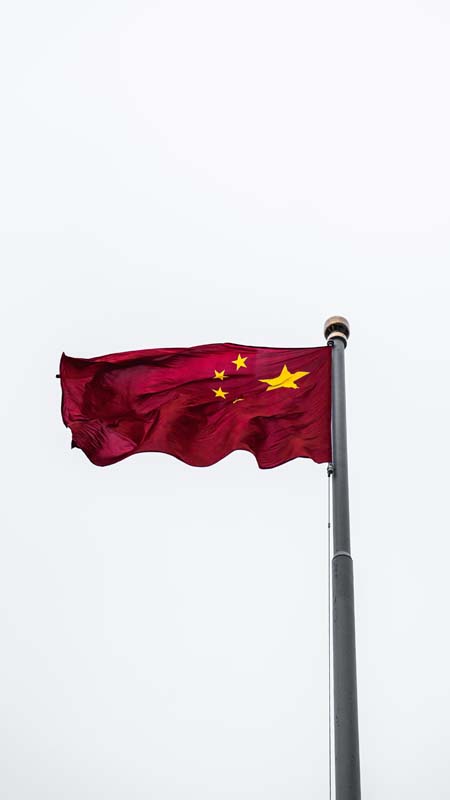
China Preserves Export Strength Despite Yuan Appreciation


(MENAFN) China continues to maintain a strong position in international markets despite the yuan’s recent appreciation, supported by central bank measures and changes in the composition of its exports.
Chinese exports climbed 35.2% year-on-year in October to reach $412.3 billion, while imports increased 41.6% to $307 billion. The rise in imports was partly driven by higher oil prices linked to the conflict in the Middle East. The latest trade figures have given policymakers greater flexibility to introduce moderate stimulus measures as they seek to achieve annual economic growth of 4.5%-5%.
Higher imports also reduced China's monthly trade surplus to $105.3 billion in October, down from $133.5 billion in September. Nevertheless, the cumulative surplus for the first 10 months exceeded $1.04 trillion, even as the yuan gained against the dollar, rising from 6.98 at the beginning of the year to 6.64 by Nov. 2.
Sadi Kaymaz, an analyst specializing in Asian markets, said the yuan’s approximately 5% gain against the US dollar, which brought it to its strongest level in four years, has not substantially undermined China's export position because of interventions by the People’s Bank of China (PBoC).
The central bank had opted to increase the reserve requirement ratio for foreign currency deposits, a move that strengthened expectations it could take measures to slow the yuan’s further rise.
Kaymaz explained that a stronger currency would normally put pressure on exporters, but its impact has remained limited because demand for Chinese shipments is increasingly supported by artificial intelligence (AI) hardware.
“Chinese chip exports doubled in value and the sensitivity of exports to exchange rate fluctuations remained limited,” he said.
He added that the stronger yuan had lowered the cost of imported energy, raw materials and intermediate goods, helping exporters offset currency-related pressures. Meanwhile, prices in China have risen more slowly than those in its trading partner economies, further limiting the effect on competitiveness.
“Low-margin sectors like textiles, toys, and furniture are sensitive to exchange rates and they saw a slight slowdown, but this time the appreciating yuan is not affecting export competitiveness as significantly as expected and the PBoC’s efforts to curb its appreciation played a role in this, allowing exporters to absorb the exchange rate gains over time,” he added.

Legal Disclaimer:
MENAFN provides the
information “as is” without warranty of any kind. We do not accept any
responsibility or liability for the accuracy, content, images, videos,
licenses, completeness, legality, or reliability of the information
contained in this article. If you have any complaints or copyright issues
related to this article, kindly contact the provider above.


Comments
No comment