


Why Some Homeowners Are Regretting Their Low-Maintenance Landscaping Choices


Landscape fabric is frequently marketed as a simple solution to one of gardening's most frustrating chores, but its effectiveness can diminish over time. The University of Maine Cooperative Extension explains that soil and organic debris eventually clog the material, while weeds can grow through or above it. As plant roots become tangled in the fabric, removing unwanted growth becomes more difficult. Homeowners who eventually decide to replace the material may have to remove gravel, mulch, and established plants first. What initially saved a few hours of weeding can turn into an expensive landscaping renovation.
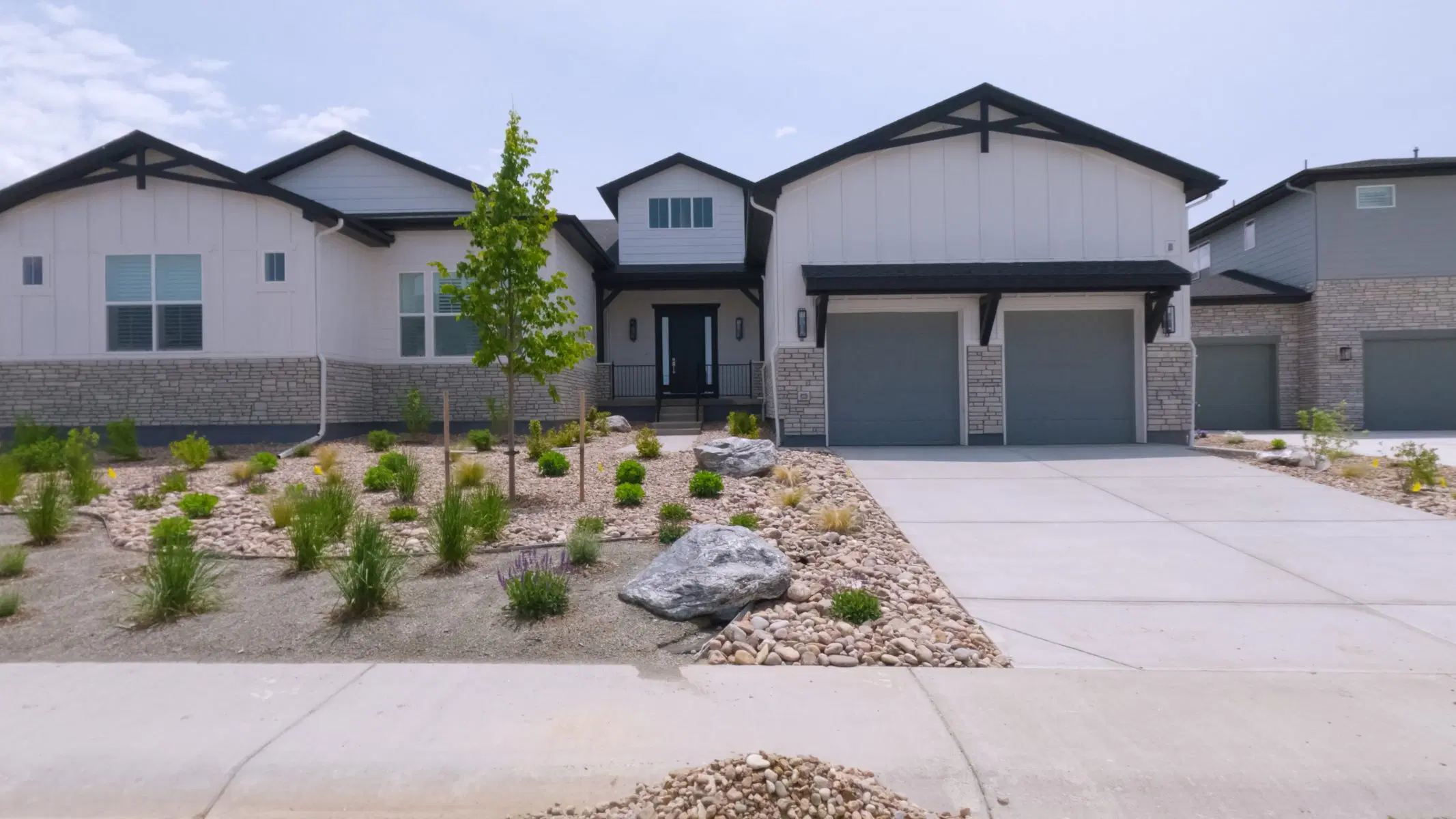
Gravel Yards Can Become Surprisingly Difficult to MaintainReplacing grass with decorative gravel eliminates mowing, but it doesn't eliminate yard maintenance. Leaves, soil, and other debris accumulate between stones, creating opportunities for weeds to establish themselves. The University of California's Integrated Pest Management Program notes that gravel and crushed stone can gradually become mixed into the soil, making removal difficult and time-consuming. Rocks can also absorb and radiate heat, creating uncomfortable conditions around patios and certain plants during hot weather. If a homeowner eventually wants grass or flower beds again, hauling away tons of stone can erase some of the savings they expected.
Artificial Grass Still Requires Cleaning and RepairsSynthetic turf appeals to homeowners who want a green lawn without mowing, fertilizing, or conventional irrigation. However, artificial grass still requires attention to leaves, pet waste, debris, and drainage problems. The University of California Master Gardeners explains that synthetic turf can become extremely hot in direct sunlight and may eventually develop weeds or moss. The organization also notes that artificial turf materials typically require replacement after approximately eight to fifteen years. Homeowners comparing costs should consider installation, routine upkeep, potential repairs, and eventual replacement rather than assuming the initial expense is their last.
Removing Every Plant Can Create New ProblemsMinimalist landscaping often involves removing shrubs, flower beds, and other vegetation to create a cleaner appearance. While this may reduce pruning and seasonal planting, it can also eliminate shade and expose more soil to heavy rain and erosion. Living plants help support soil structure, absorb water, and provide habitat for beneficial insects and wildlife. Replacing an entire planted area with hard surfaces may change how stormwater moves across the property, particularly when drainage isn't properly designed. A simpler landscape can still include strategically placed trees, native groundcovers, and shrubs that provide practical benefits without demanding constant attention.
Poor Drainage Can Turn a Simple Yard Into a Costly ProjectSome homeowners replace lawns with patios, decorative stone, or other hardscape features without considering where rainwater will go. When grading or drainage is inadequate, runoff may collect near foundations, patios, walkways, or neighboring properties. Correcting those problems can involve installing drains, adjusting slopes, or removing recently completed landscaping. The Montana State University Extension emphasizes planning for water movement and existing irrigation infrastructure when redesigning landscapes. Before approving a low-maintenance makeover, homeowners should ask contractors how the design handles heavy rainfall and whether local drainage requirements apply.
Drought-Tolerant Doesn't Mean Maintenance-FreeDrought-tolerant plants are often promoted as an easy way to lower water bills and reduce landscaping work. However, even plants adapted to dry conditions generally need supplemental watering while their roots become established. Selecting plants that don't match the property's soil, sunlight, or climate can also lead to disappointing results and replacement expenses. A plant labeled drought-tolerant in one region may struggle in another, especially when winter temperatures or drainage conditions differ. Consulting a local cooperative extension office before purchasing plants can help homeowners avoid costly trial-and-error landscaping.
Cheap Materials Can Increase Long-Term ExpensesA low-maintenance yard isn't necessarily a low-cost yard, particularly when homeowners select materials based entirely on their initial price. Inexpensive edging may shift, thin weed barriers can deteriorate, and poorly installed pavers may settle unevenly. Each problem can require additional labor, replacement materials, or professional repairs. Consider a homeowner who saves $600 by choosing a cheaper installation but later spends $1,500 correcting drainage and replacing damaged materials; the original bargain becomes a $900 net loss compared with the better installation. Evaluating warranties, installation methods, material durability, and maintenance requirements can be more valuable than choosing the lowest quote.
Changing Your Mind Later Can Be ExpensiveLandscaping preferences change as families grow, homeowners age, and properties change hands. A gravel-covered backyard might work well for one household but feel impractical when children, pets, or future buyers want usable lawn space. Removing artificial turf, rebuilding garden beds, or restoring compacted soil can require substantial labor and disposal costs. Even when a landscaping change improves convenience today, it's worth considering how easily the design could be modified later. Choosing flexible features, such as mulched planting beds and movable containers, can reduce the cost of future changes.
The Best Low-Maintenance Yard Is Designed for the Long HaulThe problem with low-maintenance landscaping isn't the concept itself; it's the assumption that less mowing or watering automatically means fewer expenses. Gravel, artificial turf, native plants, and simplified garden beds can all work well when they're suited to the property's conditions and properly installed. Before committing to a major renovation, homeowners should calculate both the upfront investment and the likely costs of upkeep, replacement, and eventual removal. A thoughtful design may require some seasonal work but save considerably more money over the years.
Have you made a landscaping change that seemed like a time-saver but ended up costing more than you expected?
Legal Disclaimer:
MENAFN provides the
information “as is” without warranty of any kind. We do not accept any
responsibility or liability for the accuracy, content, images, videos,
licenses, completeness, legality, or reliability of the information
contained in this article. If you have any complaints or copyright issues
related to this article, kindly contact the provider above.


Comments
No comment