


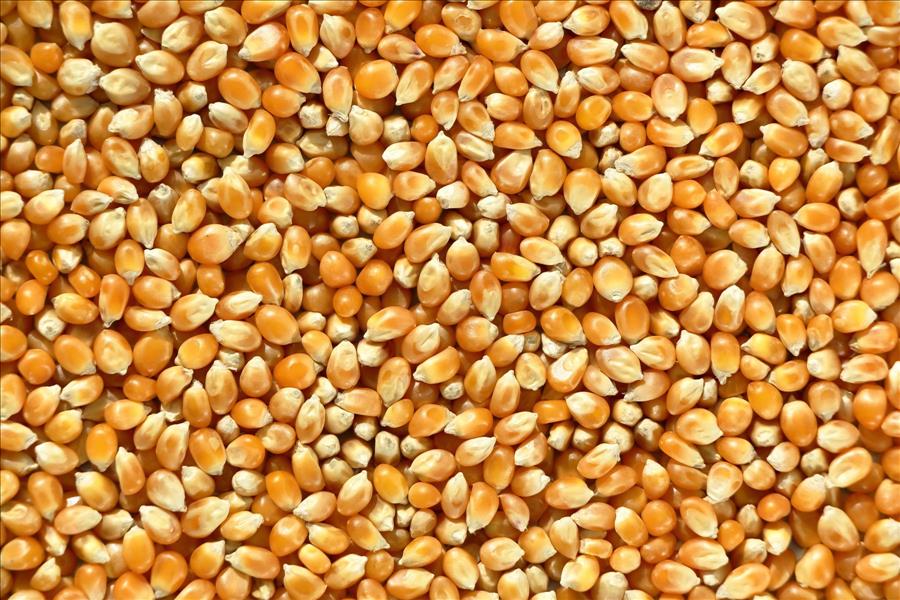
What Happens If You Plant Popcorn Kernels From The Grocery Store?


A bag of popcorn kernels costs only a few dollars, but could those same kernels grow into actual corn plants? It's an intriguing experiment for gardeners who enjoy turning ordinary grocery items into something unexpected. Popcorn isn't a manufactured food or a special substance that appears only after processing. It's a type of corn with a hard outer covering and an internal moisture balance that allows the kernel to burst when heated. That means some unpopped kernels may still contain living embryos capable of germination. However, growing popcorn from grocery store kernels is less predictable than planting seeds specifically sold for gardening.
Popcorn Kernels Are Real Corn SeedsPopcorn belongs to the species Zea mays, the same species that includes sweet corn and several other types of cultivated corn. The difference involves the characteristics of the kernel, particularly its hard outer layer and ability to pop when heated. The University of Minnesota Extension explains that popcorn is a distinct type of corn grown specifically for popping. An unpopped kernel may contain a viable embryo capable of developing into a new plant. Whether that embryo remains alive depends on the kernel's age, processing, storage conditions, and other factors.
Not Every Grocery Store Kernel Will GerminateCommercial popcorn is produced and stored primarily for eating rather than planting. Drying, heating, age, and handling can reduce seed viability, even when kernels still pop successfully. Microwave popcorn is a particularly poor planting choice because it commonly contains added oils, flavorings, or other ingredients. Plain, unpopped kernels are more appropriate for a germination experiment. Even then, gardeners should expect less predictable results than they would get from fresh, tested popcorn seed.
Try a Simple Germination Test FirstBefore planting an entire garden bed, test a small sample of kernels indoors. Place ten kernels between moist paper towels, put them in a loosely closed container or bag, and keep them somewhere warm. Check regularly to maintain moisture without allowing the kernels to sit in standing water. After several days, look for developing roots and shoots, allowing additional time if germination is slow. If only three of ten kernels sprout, your approximate test germination rate is 30%, suggesting that direct planting could produce uneven results.
Corn Needs Warm Soil to Grow ProperlyPopcorn is a warm-season crop and shouldn't be planted outdoors while soil temperatures remain cold. The University of Minnesota Extension recommends direct seeding after the soil has warmed sufficiently. Corn also needs substantial sunlight, fertile soil, and consistent moisture during active growth. Planting kernels too early can lead to poor germination or seed decay in cold, wet conditions. Gardeners in colder regions should wait until frost danger has passed and growing conditions are favorable.
One Corn Plant Won't Produce a Reliable HarvestCorn depends heavily on wind pollination rather than insects. The tassels at the top of the plant release pollen, which must reach the silks emerging from developing ears. A single plant or widely spaced row may experience poor pollination and produce ears with missing kernels. Planting corn in blocks of several rows generally improves the chances of successful pollination. This requirement makes popcorn more challenging for gardeners working with only a few containers or a narrow planting bed.
Popcorn Can Cross-Pollinate With Other CornIf you grow sweet corn nearby, pollen from different corn varieties may affect kernel characteristics. The University of Minnesota Extension recommends isolating popcorn from other types of corn. Physical distance or different flowering times can reduce unwanted cross-pollination. This matters because pollen can influence the characteristics of kernels produced during the current season. Gardeners hoping to harvest good popping corn should plan their planting location carefully.
Don't Harvest Popcorn Like Sweet CornSweet corn is typically harvested while kernels are tender and contain substantial moisture. Popcorn needs to mature and dry so the kernels develop the characteristics required for popping. Ears are generally left on the stalk as long as growing conditions allow before being harvested and dried further. Harvesting too early can result in kernels that don't pop properly. The University of Minnesota Extension recommends testing samples during drying to determine when the popcorn reaches suitable popping quality.
Will Grocery Store Popcorn Produce the Same Variety?A grocery-store package may contain kernels from a commercially grown popcorn variety, but the exact genetics aren't always identified. Even if the kernels germinate, the resulting plants may not produce identical results under backyard growing conditions. Cross-pollination, growing conditions, and seed quality can affect the harvest. Some commercially produced popcorn may also involve hybrids whose saved seed doesn't reliably reproduce the same characteristics in subsequent generations. For predictable yields and known varieties, purchasing seed intended for planting is the better option.
Is This a Money-Saving Gardening Trick?Growing popcorn from supermarket kernels may sound like an inexpensive alternative to buying seed. However, the savings can disappear if germination is poor or plants fail to produce usable ears. Corn also requires growing space, water, nutrients, and enough plants for successful pollination. Gardeners with established vegetable beds may find the experiment inexpensive because they already have most necessary supplies. For someone starting from scratch, a small packet of tested popcorn seed may provide better value.
The Experiment Is Worth Trying With Realistic ExpectationsGrowing popcorn from grocery store kernels can work when the kernels remain viable and receive suitable growing conditions. A germination test is the easiest way to determine whether your particular package is worth planting. Successful plants still need warm weather, sufficient space, proper pollination, and adequate drying before harvest. Don't expect every supermarket kernel to produce a productive corn stalk. But if you enjoy unusual gardening experiments, a handful of plain popcorn kernels could become an entertaining summer project.
Have you ever planted popcorn kernels from your pantry? Did they grow into full corn plants, or did nothing happen? Share your results in the comments!

Legal Disclaimer:
MENAFN provides the
information “as is” without warranty of any kind. We do not accept any
responsibility or liability for the accuracy, content, images, videos,
licenses, completeness, legality, or reliability of the information
contained in this article. If you have any complaints or copyright issues
related to this article, kindly contact the provider above.


Comments
No comment