


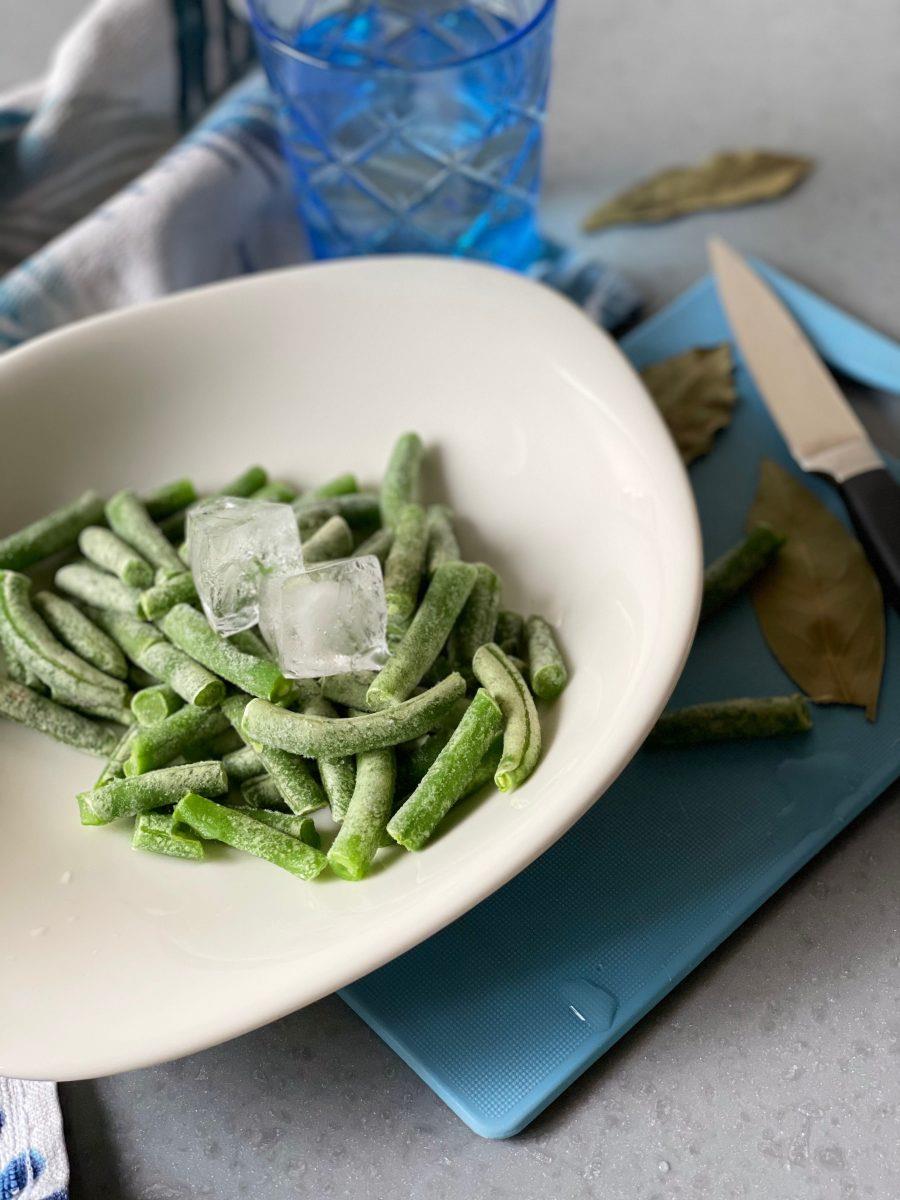
The Frozen Vegetable Buying Mistake That Can Waste Money


Frozen vegetables are often a smart grocery buy. They last longer than fresh produce, are convenient to prepare and can help shoppers keep meals on track without worrying about vegetables spoiling in the refrigerator. But there is one easy mistake that can turn a budget-friendly purchase into wasted money: buying a bag that is too large for your household.
A bigger bag may look like the better deal, especially when its price is lower per ounce. However, the savings only matter if you use the vegetables. If the bag sits in the freezer for months, develops freezer burn or becomes difficult to portion out, the lower price may not deliver the value you expected. Before buying frozen vegetables, it helps to look beyond the sticker price.
Buying the Biggest Bag Without Checking How Much You UseLarge bags of frozen vegetables can offer a lower cost per ounce than smaller packages. That can make them appealing for families or shoppers who regularly cook with vegetables. But buying in bulk is only economical when the amount fits your household's needs. A large bag of broccoli may not be a bargain if you only use a small amount for one dinner every few weeks.
Before choosing a package, think about how often you prepare that vegetable and how much you typically use at a time. If you regularly add peas to soups, stir-fries or casseroles, a larger bag may make sense. If you only buy cauliflower for an occasional side dish, a smaller package could be the better purchase-even if its unit price is slightly higher.
Comparing Package Prices Instead of Unit PricesA lower shelf price does not automatically mean a better deal. Frozen vegetables come in different package sizes, and comparing the total price alone can make it difficult to see which option costs less for the amount you receive. Checking the price per ounce or pound gives you a more useful comparison.
For example, a smaller bag may cost less at checkout, but a larger bag could offer more vegetables for each dollar. The reverse can also happen when a sale brings the smaller package's unit price down. Take a moment to compare the labels, especially when choosing between store brands and national brands. The best value is the package that offers the lowest unit price while still matching how much you can realistically use.
Ignoring Ice Crystals and Large Frozen ClumpsA little frost inside a frozen vegetable package is not necessarily a reason to avoid it. However, excessive ice crystal or vegetables frozen into a solid mass can be signs the product has experienced temperature changes or been stored for a long time. That can affect texture and make the vegetables harder to portion.
When the packaging allows you to see inside, look for vegetables that appear individually frozen rather than packed into one large clump. If the bag is opaque, gently feel it for unusually hard masses. These signs do not prove that the vegetables are unsafe, but they can help you choose a package that may be easier to cook with and portion. Avoid packages that are torn or open, and be sure the food is being kept properly frozen.
Choosing a Vegetable Mix You Won't Actually EatMixed vegetables can be convenient, but they are not always the best value for every shopper. A might include carrots, peas, corn, and green beans, yet your household may only enjoy two of those ingredients. If the less-popular vegetables keep getting left behind in the freezer, the package is not saving you much.
Think about the meals you make most often before choosing a blend. A stir-fry mix may be useful for quick dinners, while a peas-and-carrots combination could work well in soups and casseroles. If you tend to use only one vegetable at a time, buying individual bags may give you more control over portions and reduce the chance of wasting food.
Forgetting That Frozen Vegetables Can Be Re-PortionedSome shoppers avoid larger bags because they assume the entire package must be used at once. That is not necessarily the case. Many frozen vegetables can be portioned out while still frozen, allowing you to use what you need and return the rest to the freezer promptly.
Once you bring the bag home, consider dividing the vegetables into meal-sized portions if the packaging is difficult to reseal. Use freezer-safe containers or bags, remove excess air where possible, and label them with the contents and date. Keep the vegetables frozen and follow package directions for storage and preparation. These simple steps can make a larger package more practical, particularly when you use the same vegetables in several different meals.
Treating Every Frozen Vegetable as a Better Deal Than FreshFrozen vegetables can be a good way to reduce spoilage, but they are not always the least expensive option. Fresh vegetables may cost less when they are in season, on sale or available in a quantity your household can finish. The better choice depends on the price, the amount you need and how quickly you can use it.
Compare the options based on how you plan to prepare the food. Frozen spinach, for example, can be convenient for cooked dishes, while fresh vegetables may be more appealing for salads or recipes that rely on crisp texture. It is also worth checking whether the frozen package contains plain vegetables or added sauces and seasonings. Those additions may be useful, but they can change the price and how well the product fits your meal.
The Best Frozen Vegetable Deal Is the One You'll UseFrozen vegetables can help stretch a grocery budget, but the biggest package is not automatically the smartest purchase. Comparing unit prices, checking the condition of the bag, and choosing vegetables your household enjoys can make a difference in how much food actually gets used. A slightly smaller package may be worth it if it prevents leftovers from being forgotten in the freezer.
The next time you shop, consider your usual recipes before reaching for the largest bag. Buy the vegetables you know you will cook, portion them in a way that makes meal preparation easier, and keep them properly frozen. The real savings come from using what you buy-not simply from paying less per ounce.
What To Read NextFrozen Vegetables vs. Fresh: Which One Is Actually More Nutritious?
Fresh Vegetables Are Up Again: Here Is What Smart Shoppers Are Buying Instead
The Hidden State Produce Benefit: How Some Families Are Getting Free Fruits and Vegetables Without SNAP
Why You Should Stop Peeling Your Vegetables
6 Ways to Add More Vegetables to Your Meals (Without Your Kids Noticing)

Legal Disclaimer:
MENAFN provides the
information “as is” without warranty of any kind. We do not accept any
responsibility or liability for the accuracy, content, images, videos,
licenses, completeness, legality, or reliability of the information
contained in this article. If you have any complaints or copyright issues
related to this article, kindly contact the provider above.


Comments
No comment