


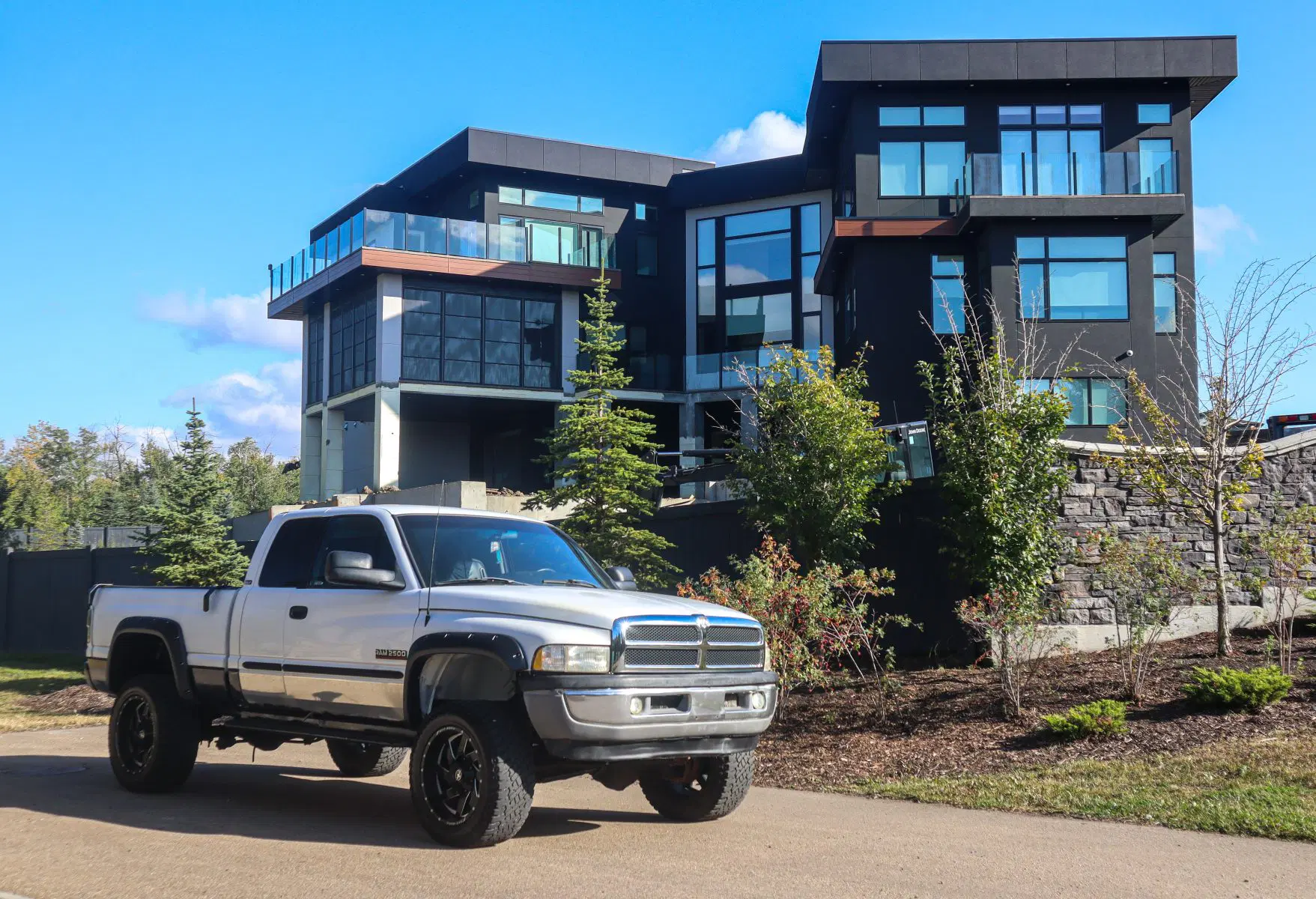
Your Neighbor Drives A $90,000 Truck - Does That Actually Mean They're Wealthy?


It's enormous, loaded with technology, and probably costs more than some people earn in an entire year. From the outside, it might appear that your neighbor is doing exceptionally well financially.
But an expensive vehicle doesn't reveal how much someone has saved, invested, or borrowed.
The distinction between looking wealthy and being wealthy becomes clearer when you examine the difference between income, spending, debt, and net worth.
A $90,000 truck might belong to a financially secure millionaire, or it could represent one of the largest debts in its owner's household.
An Expensive Vehicle Doesn't Reveal Net WorthNet worth is calculated by subtracting liabilities from assets. Someone who owns a $90,000 truck but owes $85,000 on the loan has only about $5,000 in vehicle equity, assuming the truck's current market value is still $90,000. If the truck's value has already fallen to $78,000, that same owner would have approximately $7,000 in negative equity. Meanwhile, a neighbor driving a ten-year-old sedan might have hundreds of thousands of dollars invested for retirement. The vehicle parked in someone's driveway provides very little information about their overall financial position.
Financing Can Make Expensive Vehicles AccessibleA high-priced truck doesn't necessarily require the buyer to have $90,000 available in cash. Financing allows consumers to spread much of the purchase price across several years. Suppose someone finances $85,000 at 8% APR over 84 months after making a down payment and accounting for applicable charges. The monthly payment would be approximately $1,325, and total interest would approach $26,300 over the loan term. That arrangement may be manageable for a high-income household, but it can also create significant financial pressure when other expenses are substantial.
Income and Wealth Aren't the Same ThingA household earning $200,000 annually may appear financially successful, but high income doesn't guarantee high net worth. Large mortgage payments, vehicle loans, private school tuition, consumer debt, and expensive lifestyle habits can consume substantial earnings. Conversely, someone earning $85,000 who consistently saves and invests may accumulate meaningful wealth over several decades. The Federal Reserve's Survey of Consumer Finances examines household assets, debts, and financial conditions rather than relying exclusively on income. Understanding looking wealthy versus being wealthy requires examining what households own after subtracting what they owe.
The Monthly Truck Payment Can Crowd Out Other GoalsA $1,325 monthly vehicle payment represents $15,900 annually before insurance, fuel, maintenance, and registration. For someone earning $100,000 before taxes, that payment alone equals 15.9% of gross annual income. The actual share of take-home pay would be higher after taxes and payroll deductions. If the household also has a mortgage, childcare expenses, student loans, and credit card payments, the vehicle could substantially reduce financial flexibility. Affordability should be measured against the complete household budget rather than the ability to qualify for financing.
Expensive Vehicles Can Have Expensive Operating CostsA large pickup truck may require more fuel than a smaller vehicle, particularly when used primarily for commuting. Insurance premiums can also reflect the vehicle's value, repair costs, driver profile, and location. Tires, maintenance, registration, and repairs may add hundreds or thousands of dollars annually. A truck purchased for work, towing, or business use may provide practical value that a smaller vehicle cannot. However, buyers should distinguish genuine transportation needs from expensive features that primarily serve personal preferences.
A Wealthy Person Might Choose an Expensive TruckNot every expensive vehicle purchase represents financial irresponsibility. Someone with substantial investments, a paid-off home, and reliable income may comfortably purchase a $90,000 truck. A business owner may also use a truck for income-producing activities, although business use doesn't automatically make the entire purchase tax-deductible. The financial impact depends on how the vehicle is financed, how it's used, and the owner's broader financial circumstances. Judging someone's finances solely from their vehicle can therefore be misleading in either direction.
The Opportunity Cost Can Be SubstantialConsider two households with similar incomes but different vehicle preferences. One spends $1,325 monthly on truck financing, while the other spends $500 on a more affordable vehicle. The $825 monthly difference equals $9,900 annually. If the second household invested $825 monthly for ten years at a hypothetical 6% annual return compounded monthly, the balance could grow to approximately $135,200. That figure isn't guaranteed, but it illustrates how transportation choices can affect long-term wealth accumulation.
Debt Can Create the Appearance of Financial SuccessModern financing makes it possible to acquire expensive vehicles, homes, furniture, and other goods without paying the full purchase price upfront. As a result, visible consumption can reflect borrowing capacity rather than accumulated savings. A household may appear prosperous while carrying substantial obligations that require most of its monthly income. The Consumer Financial Protection Bureau encourages borrowers to evaluate the total cost of vehicle financing, including interest and loan terms. Understanding these obligations helps distinguish a sustainable purchase from one that creates financial vulnerability.
Financial Security Is Often Less VisibleSome of the most important indicators of financial stability aren't visible from the street. Emergency savings, manageable debt, retirement investments, adequate insurance, and consistent cash flow can provide more meaningful security than expensive possessions. A family with $300,000 invested and a modest vehicle may be better positioned for unexpected expenses than a family with luxury purchases and minimal savings. However, financial security also depends on income stability, household needs, and future obligations. The point isn't that inexpensive cars prove wealth, but that outward appearances provide incomplete information.
The Truck Doesn't Tell the Whole Financial StoryThe difference between looking wealthy and being wealthy comes down to financial resources rather than visible spending. A $90,000 truck might be a comfortable purchase for one household and an overwhelming financial burden for another. Without knowing the owner's assets, liabilities, income, and expenses, there's no reliable way to determine which situation applies. Comparing your financial life with someone else's possessions can encourage spending decisions that don't support your own goals. Building wealth generally depends more on what you retain and manage over time than on what other people can see.
When you see someone driving a $90,000 truck or luxury vehicle, do you assume they're wealthy, or do you wonder how much they're paying every month? Share your thoughts in the comments.
Legal Disclaimer:
MENAFN provides the
information “as is” without warranty of any kind. We do not accept any
responsibility or liability for the accuracy, content, images, videos,
licenses, completeness, legality, or reliability of the information
contained in this article. If you have any complaints or copyright issues
related to this article, kindly contact the provider above.


Comments
No comment