


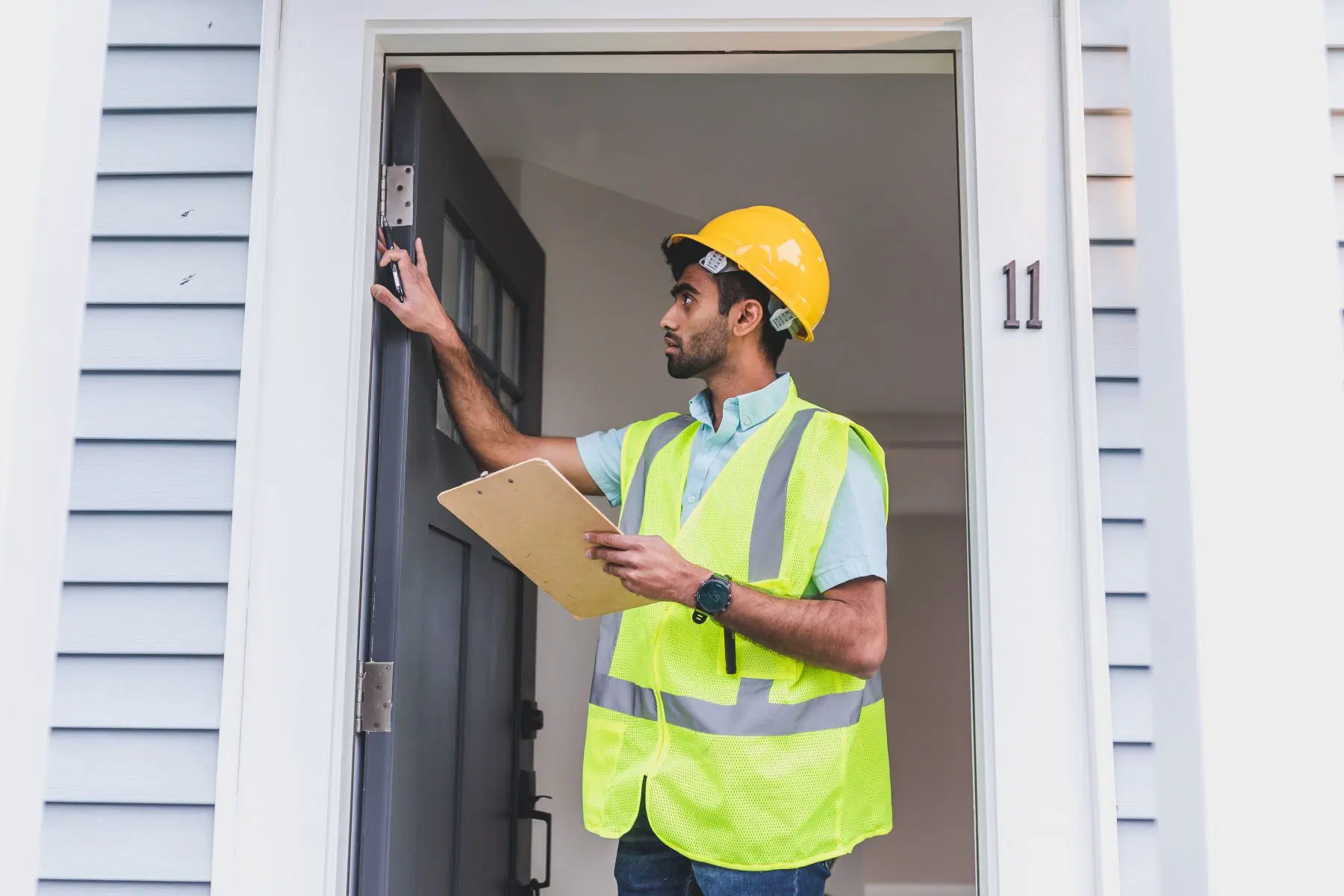
The Home Inspection Mistake That Could Leave Buyers With A Huge Repair Bill


That's where an expensive misunderstanding begins.
A standard home inspection isn't a guarantee that every major system is functioning properly or that hidden structural problems don't exist. Inspectors generally evaluate visible and accessible components, leaving some conditions beyond the scope of their work.
The costly home inspection mistake is treating a general inspection as a complete evaluation of every potential problem.
A General Inspection Has Important LimitationsA home inspector typically examines accessible roofing, plumbing, electrical, heating, cooling, structural, and other major components. However, the inspection is generally visual and noninvasive, meaning inspectors don't routinely open walls, excavate foundations, or dismantle equipment. The American Society of Home Inspectors publishes standards describing the scope and limitations of professional home inspections. Buyers should read the inspection agreement and report carefully to understand what was and wasn't evaluated. Assuming that an inspection covers every concealed defect can create unrealistic expectations and costly surprises.
The Most Expensive Problems May Require SpecialistsA general inspector may identify warning signs that require additional investigation rather than providing a final diagnosis. For example, foundation cracks, uneven floors, or sticking doors may justify consulting a structural engineer. Evidence of recurring sewer backups could warrant a camera inspection of the underground sewer line. An aging electrical panel might require evaluation by a licensed electrician, particularly if the inspector identifies safety concerns. Skipping recommended specialist evaluations can leave buyers responsible for repairs that might have influenced their decision to purchase.
Sewer Lines Can Be a Particularly Costly SurpriseUnderground sewer pipes are usually outside the scope of a standard visual home inspection. Tree roots, collapsed pipes, corrosion, and improper installation can create serious drainage problems without obvious symptoms during a short property showing. A sewer camera inspection may reveal conditions that would otherwise remain hidden until after closing. Replacement costs vary widely based on pipe depth, length, local labor rates, and whether streets or landscaping must be excavated. Buyers considering older homes should ask about sewer line materials, maintenance history, and whether a separate inspection is advisable.
A Roof That Isn't Leaking Can Still Be Near FailureAn inspector may observe worn shingles, damaged flashing, or signs of previous repairs without being able to predict exactly when a roof will fail. A roof that appears functional during dry weather may develop leaks during heavy storms. Buyers should request available documentation about the roof's age, installation, warranties, and past repairs. If the roof is near the end of its expected service life, obtaining a roofing contractor's evaluation can help estimate replacement costs. This information may support price negotiations or help buyers decide whether the property's total cost is manageable.
Waiving Inspection Contingencies Adds Financial RiskIn competitive housing markets, buyers sometimes waive inspection contingencies to make their offers more attractive. That decision can limit their contractual options if significant defects are discovered later. Depending on the agreement, buyers may still be able to inspect the property but lack the right to cancel based on certain findings. A pre-offer inspection may reduce some uncertainty, although it doesn't eliminate all risks. Buyers should understand the exact contract language and consult qualified real estate professionals before surrendering important protections.
The Inspection Report Is a Negotiating ToolFinding problems doesn't automatically mean a home purchase should be abandoned. Instead, inspection results can help buyers calculate repair costs and negotiate appropriate solutions. Suppose an inspection identifies $18,000 in needed roof work and another $7,000 in electrical improvements. A buyer might request repairs, negotiate a price reduction, seek a seller credit within financing limits, or reconsider the purchase. The right response depends on the severity of the issues, contractor estimates, financing requirements, and the terms of the purchase contract.
Insurance and Financing Can Complicate RepairsCertain property conditions may affect whether a lender or insurance company will approve coverage. Serious roof deterioration, unsafe electrical systems, or structural defects can create underwriting concerns. A buyer who assumes every repair can wait until after closing may discover that some work must be completed earlier. Obtain insurance quotes and discuss significant inspection findings with the lender before the transaction becomes final. These additional checks can reveal financial problems that aren't immediately obvious from the seller's asking price.
A Final Walk-Through Isn't a Replacement for InspectionThe final walk-through generally occurs shortly before closing and serves a different purpose from a comprehensive home inspection. Buyers use it to confirm that the property remains in the expected condition and that agreed-upon repairs have been completed. If the seller promised to repair plumbing or replace damaged equipment, request invoices, permits, and warranties when appropriate. Test accessible fixtures and appliances included in the sale, and document unexpected changes. The CFPB's closing guidance explains the importance of reviewing the transaction carefully before signing final documents.
The Cheapest Inspection Isn't Always the Best ValueInspection fees can vary based on the home's size, age, location, and the services included. Choosing an inspector solely because they offer the lowest price may not provide the expertise or thoroughness a particular property requires. Ask about professional qualifications, insurance, experience with similar homes, and whether buyers can attend the inspection. Review sample reports to see whether findings are clearly explained and supported by photographs. The goal is obtaining useful information that helps evaluate a purchase potentially worth hundreds of thousands of dollars.
One Extra Inspection Could Save ThousandsThe most expensive home inspection mistake is assuming that a standard inspection eliminates every meaningful risk. A general inspection is an important starting point, but it may reveal conditions that require specialists, additional testing, or contractor estimates. Buyers should distinguish cosmetic defects from problems involving safety, structural integrity, or expensive systems. When the potential repair bill is substantial, spending additional money to investigate before closing may be financially worthwhile. A house should become your responsibility only after you've made a reasonable effort to understand what you're buying.
Have you ever discovered a major home repair that wasn't identified before closing? What did it cost, and what would you do differently? Share your experience in the comments.
Legal Disclaimer:
MENAFN provides the
information “as is” without warranty of any kind. We do not accept any
responsibility or liability for the accuracy, content, images, videos,
licenses, completeness, legality, or reliability of the information
contained in this article. If you have any complaints or copyright issues
related to this article, kindly contact the provider above.


Comments
No comment