


Qatar, Estonia Eye New AI Opportunities Through Deeper Digital Cooperation


Doha, Qatar: Qatar and Estonia are looking to deepen their longstanding digital partnership, with artificial intelligence (AI), cybersecurity, digital governance and defence emerging as key areas for expanded cooperation.
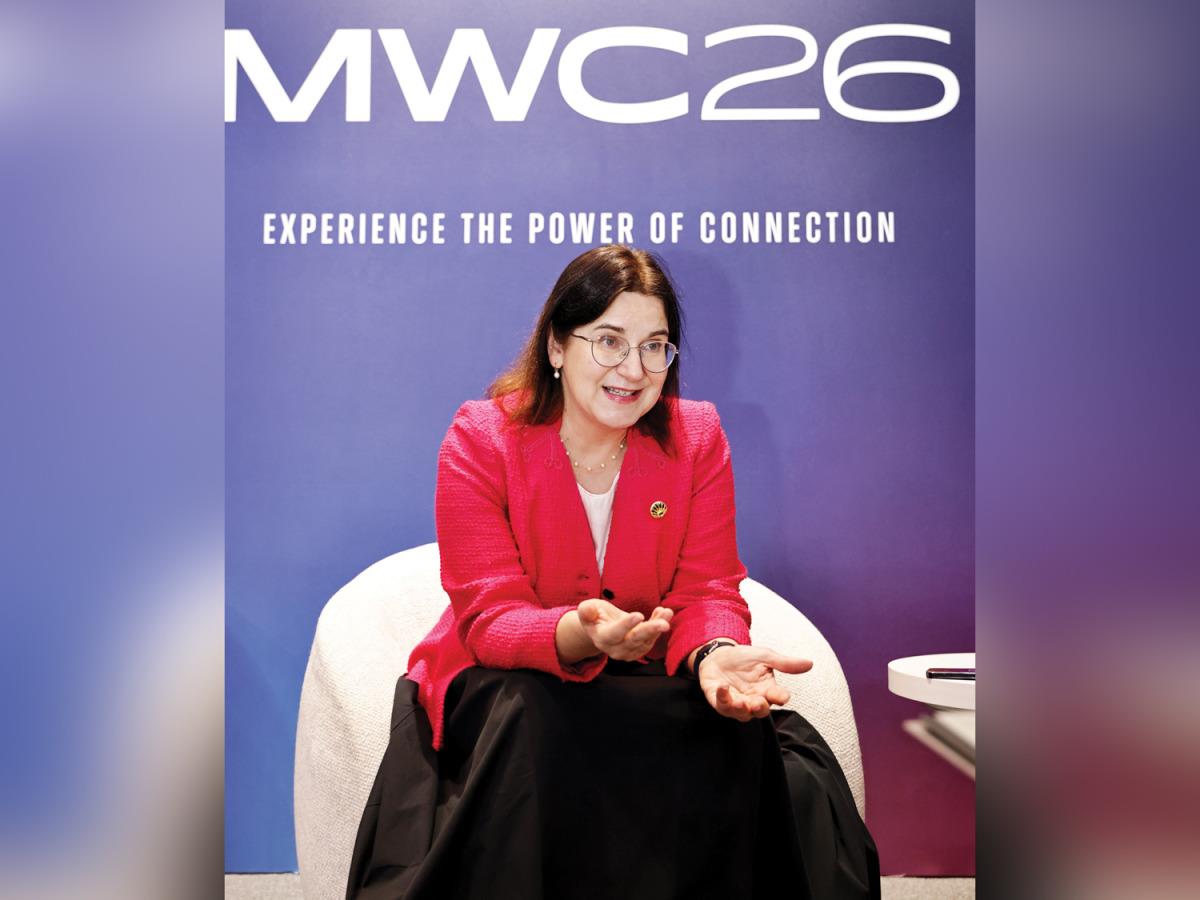
In an interview with The Peninsula, Estonia's Minister of Justice and Digital Affairs, H E Liisa-Ly Pakosta, described the relationship between the two countries as built on mutual interest.
“We see the cooperation as a way to share our strengths, but we are not competing. We are working together,” Minister Pakosta said at the Mobile World Congress (MWC Doha), emphasising the opportunities for both countries to learn from each other and develop solutions with global potential.
She noted that digital governance remains a central pillar of the Estonia-Qatar partnership, highlighting the European country's extensive experience in developing efficient government services, improving data quality and strengthening interoperability between public sector systems.
Read Also-
Qatar launches regulatory guide for private schools, kindergartens
Prime Minister, US President hold meeting
Hamad International Airport offers free screenings of Made in Qatar short films
The Minister stressed that cooperation is particularly valuable as both countries adapt their public sectors to the rapid advancement of AI.“Estonia has progressively integrated AI into its public services, with approximately 260 public services now using AI-based solutions.”
She explained that the country's optimism and ambitious AI strategy, agreed in spring 2024, have evolved into a more cautious and security-oriented approach following practical implementation experience.
Among the key lessons, she noted the importance of building more technological capabilities locally, strengthening risk assessments and ensuring greater control over data protection and infrastructure costs.
Minister Pakosta warned that dependence on external AI infrastructure and unpredictable technology costs could create challenges for governments seeking to maintain digital sovereignty.
“We are looking for close cooperation with Qatar also to find ways to build further on the public services so that they are not so much dependent on costs that are not at all under our control,” she said.
She said that Estonia's digital transformation also extends deeply into its justice system, which has been digitalised since 2014.“The country is now developing a further generation of AI-enabled services to improve efficiency across the justice sector.”
Minister Pakosta outlined several applications already in use or under development, including AI-assisted translation, the simplification of administrative work in courts and free AI-based legal counselling available to the public.
She said that the legal counselling service incorporates a data anonymisation layer, ensuring that personal information entered by users is anonymised by the system.
According to the Minister, this has significantly changed how the country provides legal assistance, with person-to-person counselling retained for people with disabilities.
Estonia is also exploring the use of local AI models for handling sensitive information, she said explaining that the country's broader ambition is to improve efficiency throughout the entire justice process, from digital forensics and police investigations to court proceedings and final decisions.
She noted that Estonia is also allocating a further €5m (QR20.45m) to advance AI development in its justice system, working directly with judges to identify the most effective applications.
The Minister highlighted the emergence of cyberattacks driven by autonomous AI agents, which create new security challenges and require additional layers of protection. She said,“Estonia is responding through increased investment in software, firmware, skilled personnel, and stronger cybersecurity regulations.”
She remarked that the country is building security capabilities to match AI agents' growing operational capabilities, while ensuring cybersecurity remains a coordinated national responsibility.
The Minister added that there was considerable potential to expand cooperation between Estonian and Qatari businesses, particularly through joint investment, research and the development of new digital services. Minister Pakosta urged closer business partnerships and mutual investment, emphasising that the next phase of Estonia-Qatar relations should focus on co-creating innovative services and technologies with relevance beyond their respective domestic markets.

Legal Disclaimer:
MENAFN provides the
information “as is” without warranty of any kind. We do not accept any
responsibility or liability for the accuracy, content, images, videos,
licenses, completeness, legality, or reliability of the information
contained in this article. If you have any complaints or copyright issues
related to this article, kindly contact the provider above.


Comments
No comment