


EDGE Sound Research Raises $2 Million For Physical AI And Robotics


The California-based company announced the investment on October 27, saying the funding would support its existing live sports business while helping develop applications for autonomous systems and intelligent environments.
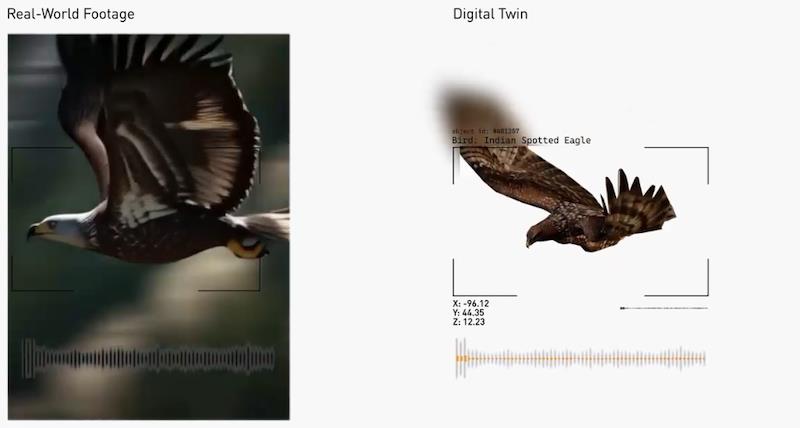
EDGE Sound Research specializes in combining audio with video, tracking, timing and location data to help AI systems interpret events in complex real-world environments.
Its technology isolates individual sounds from background noise and connects them with other sensor information, providing context that cameras alone may not capture.
From sports broadcasting to roboticsThe company's Virtual Sound Engine is already used commercially in live sports, with customers and partners including the NBA, Fox Sports, Shure and the United States Tennis Association.
The technology can, for example, isolate and follow the sound associated with an individual player during a sporting event.
EDGE believes similar capabilities could help robots detect activity outside their cameras' field of view and respond more effectively to changing surroundings.
Valtteri Salomaki, co-founder and CEO of EDGE Sound Research, says:“Today's robots and intelligent systems are like toddlers. They can reason at a high-level, but they don't consider their full surroundings before making a decision.”
Salomaki adds:“We started with sound because it's the signal most systems throw away, and solving it forced us to connect every other sensor in the room. A broadcaster following one player through a game and a robot knowing something happened behind it are the same problem.”
Founded in 2020, EDGE Sound Research emerged from doctoral research at the University of California, Riverside, conducted by Salomaki and co-founder Dr Ethan Castro.
The company plans to build on its experience processing audio in noisy sporting environments to develop perception systems for robots and other AI-powered machines.
The investment reflects growing interest in multimodal perception technologies that allow physical AI systems to interpret their surroundings using more than visual information.

Legal Disclaimer:
MENAFN provides the
information “as is” without warranty of any kind. We do not accept any
responsibility or liability for the accuracy, content, images, videos,
licenses, completeness, legality, or reliability of the information
contained in this article. If you have any complaints or copyright issues
related to this article, kindly contact the provider above.


Comments
No comment