


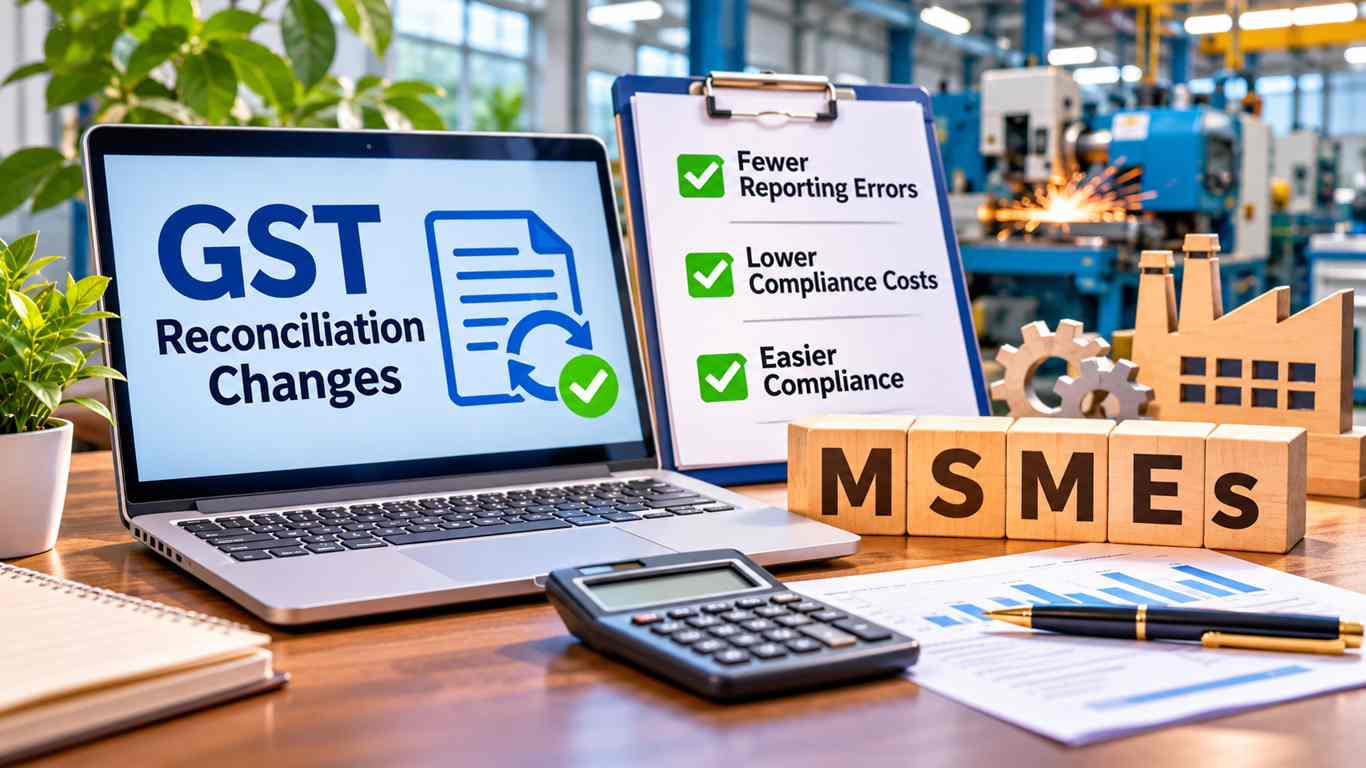
FISME Says Proposed GST Reconciliation Changes May Help Msmes Reduce Reporting Errors And Compliance Costs


The changes follow recommendations of the 57th GST Council meeting, with the Invoice Management System (IMS) playing a key role in the evolving framework, alongside structural reforms scheduled to take effect from April 2027.
The industry body noted that mismatches between supplier statements, buyers' input tax credit (ITC) statements and summary returns often lead to repeated reconciliation, particularly due to timing differences, credit notes and incorrect entries.
For small suppliers, such mismatches can also create commercial pressure as buyers seek uninterrupted availability of input tax credit, making timely correction important for maintaining business relationships.
Proposed Changes to Return Reconciliation
The proposed Rules 61(1A) and 61(1B) seek to improve the alignment of tax liability and input tax credit reported in GSTR-3B returns, while Rule 60(6A) concerns invoice management.
Rules 86C and 86D address mechanisms relating to reversal and reclaim of input tax credit and reverse-charge statements.
An alternative mechanism for these changes was proposed for returns from April 2027 and placed under public consultation. The framework is intended to provide a more structured process for reconciling differences across GST records.
Potential to Reduce Compliance Costs
FISME said better correction facilities could help businesses resolve genuine transaction discrepancies without prolonged disputes or repeated notices.
For suppliers, a more predictable reconciliation process could also reduce disagreements with buyers over credit availability and reporting differences.
However, the MSME body highlighted that the benefits would depend on a user-friendly GST portal interface and adequate time for businesses to identify and correct errors. Additional statements and reporting requirements should not simply add to the compliance burden of small enterprises.
MSME Beneficiary Numbers Remain Unclear
No MSME-specific estimate of businesses likely to benefit from the proposed changes is available.
The potential reach could be broad among regular GST return filers, particularly business-to-business suppliers. However, total GST registrations include taxpayers with different filing obligations and cannot be treated as an estimate of affected MSMEs, FISME said.
The effectiveness of the changes will depend on whether the revised mechanism simplifies reconciliation without creating additional procedural requirements.
The federation suggested that tracking a genuine invoice discrepancy across a supplier's records, the buyer's ITC statement and the accountant's reconciliation process could help determine whether the new mechanism reduces the time, effort and cost involved in resolving errors.
(KNN Bureau)

Legal Disclaimer:
MENAFN provides the
information “as is” without warranty of any kind. We do not accept any
responsibility or liability for the accuracy, content, images, videos,
licenses, completeness, legality, or reliability of the information
contained in this article. If you have any complaints or copyright issues
related to this article, kindly contact the provider above.


Comments
No comment