


How The Fossil Fuel Industry Intervenes At COP And In Switzerland


I cover climate change and energy through reportages, articles, interviews and in-depth reports. I am interested in the impacts of global warming on everyday life and solutions for an emission-free planet. Passionate about travel and discovery, I studied biology and other natural sciences. I have been a journalist for SWI swissinfo for more than 20 years.
-
More from this aut
Italian Departm
-
Deutsch
de
Wie die fossile Industrie den Klimaschutz an der COP31 und in der Schweiz behindert
Read more: Wie die fossile Industrie den Klimaschutz an der COP31 und in der Schweiz behi
Français
fr
Le ((monde fascinant du pétrole)): comment l'industrie fossile freine l'action climatique aux COP et en Suisse
Read more: Le ((monde fascinant du pétrole)): comment l'industrie fossile freine l'action climatique aux COP et en S
Italiano
it
Il“mondo affascinante del petrolio” – come l'industria fossile ostacola l'azione climatica alle COP e in Svizzera
Original
Read more: Il“mondo affascinante del petrolio” – come l'industria fossile ostacola l'azione climatica alle COP e in Svi
Español
es
Cómo la industria fósil obstaculiza la acción climática, de las COP a Suiza
Read more: Cómo la industria fósil obstaculiza la acción climática, de las COP a
Português
pt
Lobby fóssil enfrenta críticas por influência nas COPs da ONU
Read more: Lobby fóssil enfrenta críticas por influência nas COPs d
العربية
ar
من سويسرا إلى قمم المناخ... كيف تُجمّل صناعة النفط صورتها وتُعطّل الحلول؟
Read more: من سويسرا إلى قمم المناخ... كيف تُجمّل صناعة النفط صورتها وتُعطّل ال
中文
zh
石油的“迷人世界”:化石燃料行业如何影响全球气候谈判
Read more: 石油的“迷人世界”:化石燃料行业如何影响全
Русский
ru
Как нефтяная отрасль влияет на климатическую политику Швейцарии и решения ООН?
Read more: Как нефтяная отрасль влияет на климатическую политику Швейцарии и решения
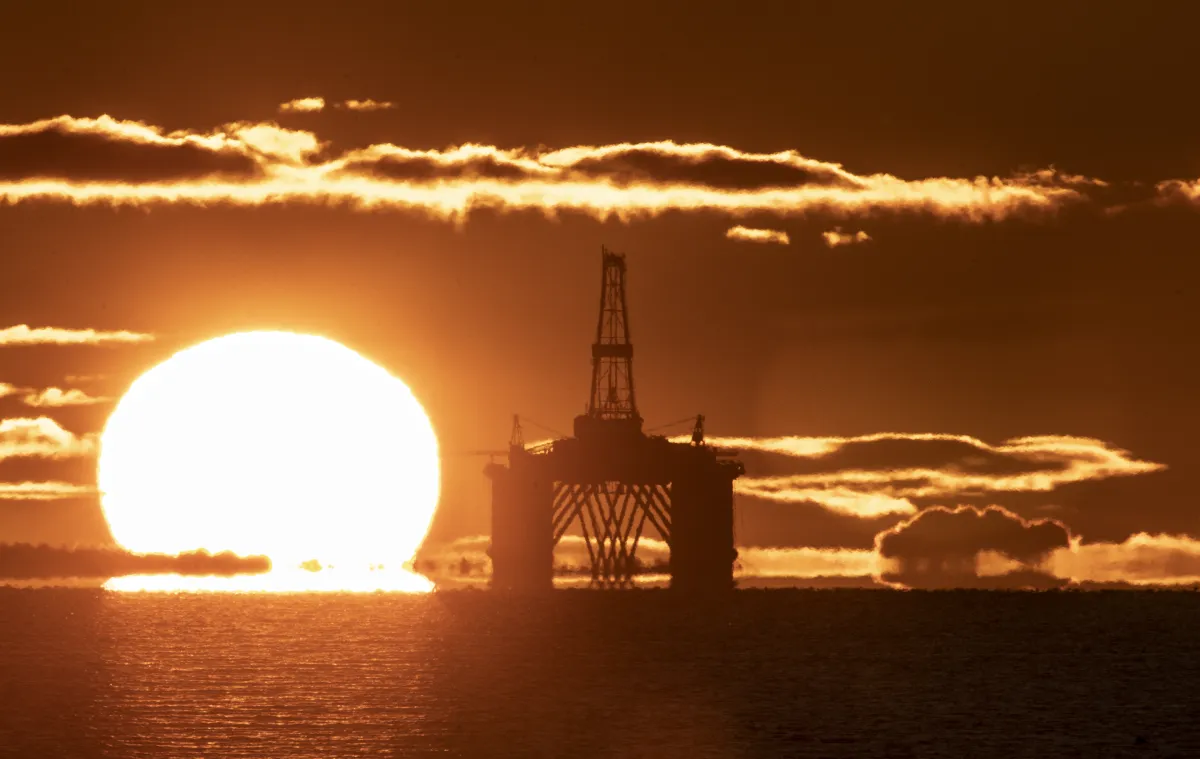
“If someone tries to burn down your house, you don't keep inviting them to dinner,” says Elvis Méndez, executive director of the NGO Corporate Accountability. The US-based organisation is calling for restrictions on fossil fuel lobbyists' access to UN climate conferences, including COP31, which will take place from November 9-20 in Antalya, Turkey.
Environmental groups have long criticised the fossil fuel industry's presence at climate negotiations. While recognising that the industry has a role to play in the energy transition, they argue that its influence on climate policy has helped slow action against global warming.
“We have known for decades that burning fossil fuels is the main cause of climate change. But the obvious solution – transitioning away from fossil fuels – was not named in official treaty decisions until 2023,” Méndez says.
>> Where do Switzerland's oil and gas come from? Find out in this short video:
One in 25 COP participants is linked to the fossil fuel industryIt is not yet known how many fossil fuel lobbyists will attend COP31. The list of accredited participants will be finalised shortly before or during the conference.“But we know that year after year, there are many,” says Rachitaa Gupta of Kick Big Polluters Out (KBPO), an international campaign against the presence of the fossil fuel industry in climate negotiations.
These are not only industry representatives, but also intermediaries and other individuals working to advance its agenda, such as representatives of major banks that invest billions in oil and gas.
At COP30 in Brazil, one in 25 participants – more than 1,600 people in total – was linked to the fossil fuel industry, according to a KBPO analysisExternal link. Their numbers exceeded those of almost all individual national delegations.
Fossil fuel lobbyists within government delegationsIn recent years, representatives of the fossil fuel industry have sometimes overseen COP conferences by being part of the leadership team that runs them. On some occasions, the world's largest oil companies have also bankrolled the COP as sponsors.“This grants them closed-door access to behind the scenes and allows them to greenwash their image,” Gupta says.
Fossil fuel lobbyists have also been accredited as government delegates, allowing them to represent countries in negotiations. According to an analysisExternal link by Transparency International, at least 63 people with ties to the fossil fuel industry were present at COP30 within the delegations of nine European Union countries, including France, Italy and Portugal.
The industry also promotes what Méndez describes as“dangerous false solutions”, such as carbon markets. Carbon markets allow for offsetting part of the emissions made by burning fossil fuels through financing climate projects such as reforestation.
The oil industry rejects accusations of interference, arguing that the energy transition requires the involvement of the companies that currently operate the global energy system. Ipieca, the leading global oil and gas industry association for environmental and social issues, statesExternal link that it participates in COP conferences to provide technical expertise rather than to lobby. It views carbon markets as a tool to reduce emissions more quickly and at lower cost than stricter regulatory approaches.
Climate obstructionism in SwitzerlandThe tactics denounced by NGOs are not confined to international climate negotiations, nor are they limited to multinational corporations. According to a studyExternal link published this year, the Swiss oil industry has also made extensive use of strategies aimed at obstructing climate action.
“It used forms of denial and minimisation of human-caused climate change, arguing for example that global warming had multiple causes,” says John Rose, the study's author and a researcher at the University of Lausanne.
The study examined 147 print and online publications issued by Avenergy Switzerland, the umbrella association of oil-importing companies, between 1990 and 2023.
These strategies partially mirror those used by the oil industry in the United States, Rose explains. They include forms of greenwashing (the practice of making a company appear more climate friendly than it actually is), emphasising the costs of the transition to discredit climate policies, promoting voluntary measures, and conducting communication campaigns designed to foster a positive image of oil.
The study cites several concrete examples. In 1990, while Switzerland was debating a CO2 tax, the Swiss Petroleum Union, a predecessor of Avenergy, argued that the role of greenhouse gases emitted by human activities had not yet been scientifically proven, despite decades of available evidence.
In the 2000s, it promoted the“climate cent”, a levy on every litre of imported gasoline and diesel, as a voluntary alternative to stricter measures. And in 2004, near Geneva, it inaugurated an educational trail intended to showcase the“fascinating world of oil”.
Slowing climate action through Swiss democracyThe Swiss study challenges the idea that there was a clear shift from denying the existence of global warming to delegitimising climate policies and solutions.“Avenergy combined both strategies throughout virtually the entire period analysed,” Rose says.
Switzerland's system of direct democracy provides channels for direct political action, both through consultation procedures and referendums, the researcher notes.“These can be used by the oil industry to weaken legislation and slow climate action.” In 2021, for example, Avenergy supported the referendum against the revised CO2 Act.
Rose says the oil industry also incorporates external events into its communications, such as Russia's invasion of Ukraine. It presents oil as an indispensable resource for ensuring security of supply in the event of disruptions to gas deliveries.
Avenergy is not the actor that opposes or obstructs climate policy in Switzerland, Rose points out.“It is clear, however, that it plays a significant role.”

Legal Disclaimer:
MENAFN provides the
information “as is” without warranty of any kind. We do not accept any
responsibility or liability for the accuracy, content, images, videos,
licenses, completeness, legality, or reliability of the information
contained in this article. If you have any complaints or copyright issues
related to this article, kindly contact the provider above.


Comments
No comment