


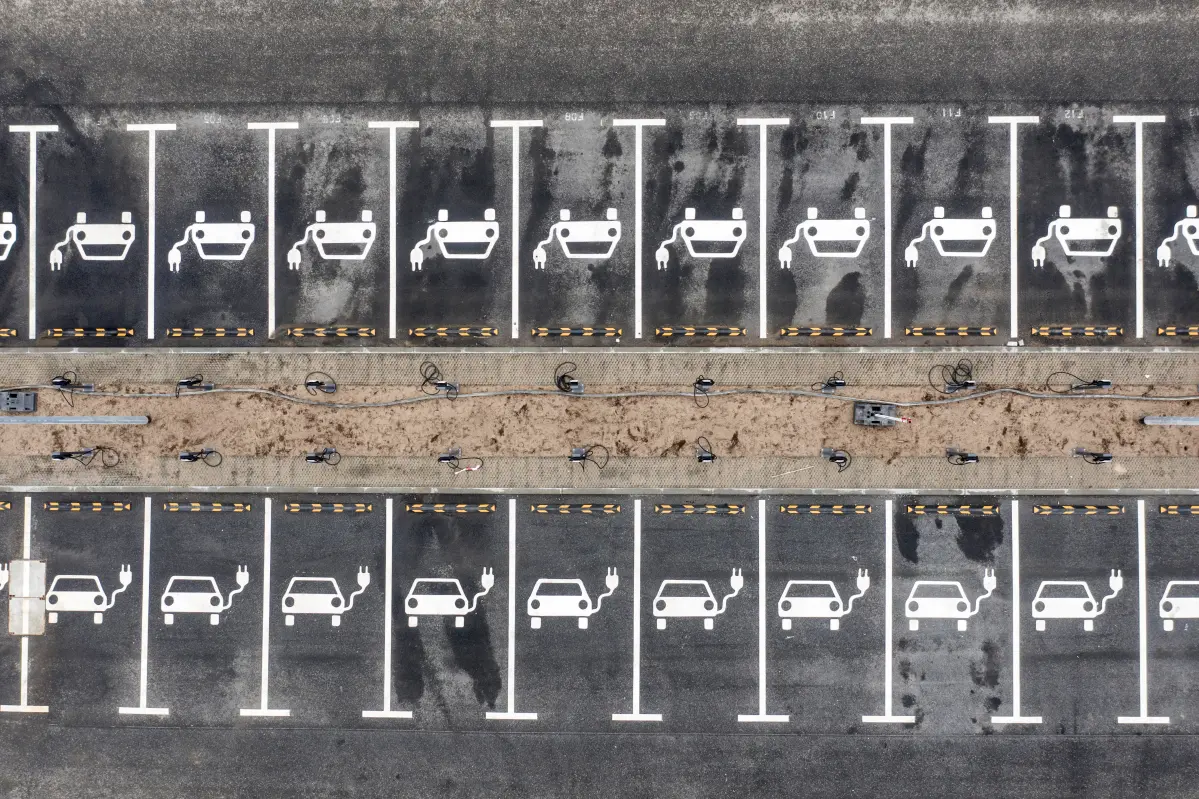
COP31 Bets Big On Electrification As A Climate Change Solution


I am a climate and science/technology reporter. I am interested in the effects of climate change on everyday life and scientific solutions. Born in London, I am a dual citizen of Switzerland and the UK. After studying modern languages and translation, I trained as a journalist and joined swissinfo in 2006. My working languages are English, German, French and Spanish.
-
More from this aut
English Departm
Electrifying fossil-fuel-powered transport, heating and industry could be one of the most effective ways to cut greenhouse gas emissions and strengthen energy security, say supporters of the proposal. It is up for discussion at the COP31 United Nations Climate Change Conference in TurkeyExternal link, which runs from November 9-20.
But achieving the proposed electrification target will require a rapid expansion of renewable energy and major investment in power grids and other infrastructure. Critics argue it will deliver climate benefits only if rising electricity demand is met with clean power and deployed fairly. We look at the proposal and what is at stake.
What is the electrification pledge?Electricity already powers homes, offices and many industries, but fossil fuels dominate transport, heating and much of manufacturing. The COP31 pledgeExternal link – called“35 by 35” – aims to accelerate the shift to electric vehicles and public transport, heat pumps and industrial electrification.
Based on analysis by the International Energy Agency (IEA) and the International Renewable Energy Agency (IRENA), the plan is designed to help implement the Paris Agreement and reduce emissions.
External ContentThe initiative builds on commitments made at previous UN climate summits. At COP28, states agreed to work towards tripling renewable energy capacity and transitioning away from fossil fuels. COP29 focused on energy storage, grid modernisation and climate finance. The COP31 presidency says electrification is the next logical step, translating earlier pledges into changes in how energy is consumed.
The proposal comes amid growing concerns over climate change and energy security. Record temperatures, extreme weather events and ongoing disruptions in the Strait of Hormuz this year have heightened worries about emissions and dependence on imported oil and gas.
COP31 president-designate Murat Kurum saysExternal link the pledge reflects the latest evidence on what is needed to lower emissions. The disruption in Hormuz also underlines the need for renewables and electrification, which he calls the“surest and cleanest” way to protect citizens from volatile energy prices.
What are the potential benefits?The climate benefits could be significant. Transport, buildings and industry account for around 45% of direct global greenhouse gas emissions. Replacing fossil fuels technologies with electric alternatives could cut emissions from these sectors by 40% by 2035, according to the IEA.
Greater electrification, particularly through wider adoption of electric vehicles, could also reduce global oil demand by 18 million barrels a day. The IEA estimates this could lower energy import bills for fuel by about $400 billion compared with 2025 levels.
External Content What are the main criticisms?Despite broad support, the proposal has raised concerns among environmental groups and energy experts.
The main criticism is that the pledge focuses on electricity consumption rather than how electricity is generated. Campaigners say emissions cuts will be limited unless additional demand is met with only clean energy. Around one-third of global electricity still comes from coal, raising concerns that some countries could increase electricity use while continuing to rely heavily on fossil fuels.
In an open letterExternal link to COP31 leaders, a coalition of more than 90 campaign groups welcomed the target but called for safeguards to ensure implementation is equitable and based on renewable energy.
Renewables accounted for 31.7% of global electricity generation in 2024. To meet the 35% electrification target while keeping power supplies largely renewable, that share would need to rise to about 78% by 2035.
Infrastructure poses a key challenge. Electricity networks in many countries are already under strain. Thousands of renewable-energy projects are waiting for grid connections, while storage capacity must expand rapidly to accommodate more wind and solar power.
External ContentIRENA warnsExternal link that electricity networks are“structurally unprepared” for electrification on this scale. Meeting the 35% target would require annual investments in grids, storage and related infrastructure to double from about $500 billion in 2025 to $1 trillion per year through 2035.
Access to critical minerals is another concern. Batteries, power grids and renewable-energy systems need large amounts of copper and other key resources. The NGO Global Witness warnsExternal link that shortages and supply bottlenecks could slow progress unless governments improve long-term planning and international coordination.
Affordability is also crucial. The transition will succeed only if households and businesses see electric technologies as an attractive alternative to fossil fuels. According to the IEA, governments may need financing measures to keep electricity prices competitive.
More More Emissions reduction Why climate change and wars are reviving interest in nuclear energyThis content was published on Jul 17, 2025 Is the Fukushima effect over? Here's why there is renewed interest around the atom and which nations want to build new nuclear power plants.
Read more: Why climate change and wars are reviving interest in nuclear e
Legal Disclaimer:
MENAFN provides the
information “as is” without warranty of any kind. We do not accept any
responsibility or liability for the accuracy, content, images, videos,
licenses, completeness, legality, or reliability of the information
contained in this article. If you have any complaints or copyright issues
related to this article, kindly contact the provider above.


Comments
No comment