


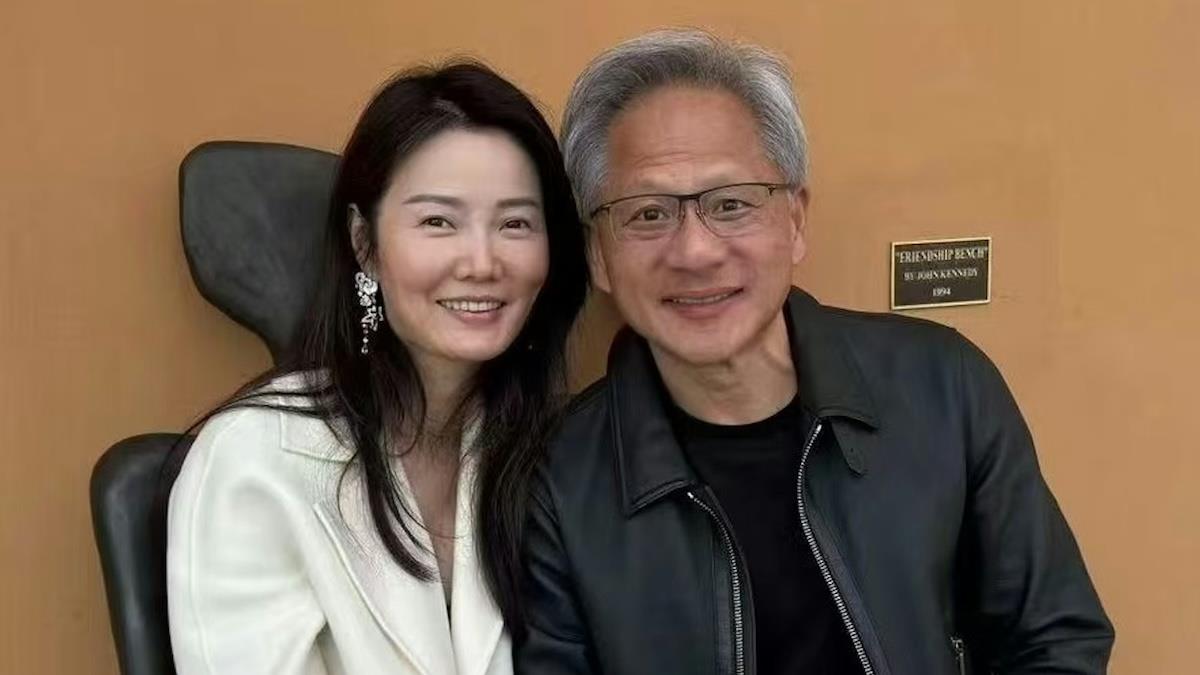
Nvidia's Huang Spy Scandal Signals Tighter US Chip Controls


Chinese commentators said Washington could turn more hawkish and tighten chip export controls as Huang's personal ties to Alice Huang, a former executive at Singapore-based Megaspeed, raise national security concerns.
Days after Democrats won both chambers of Congress at the November 3 midterm elections, President Donald Trump named hardliner Stephen Miller to replace Susie Wiles as White House chief of staff.
Miller, best known as the architect of Trump's immigration crackdown, has a long record of targeting China. In 2018, during Trump's first term, he urged the president to stop issuing student visas to Chinese nationals to counter espionage. The idea was shelved after other officials warned of its economic cost.
As the Huang and Huang scandal evolves and the political tide shifts in Washington with the Democrats taking both chambers of Congress, analysts believe the Remote Access Security Act (RASA) could now be fast-tracked.
The bill, passed in the House in January and pending the Senate's review, would extend US export controls from physical chips to cloud computing, barring Chinese firms from remotely renting servers powered by advanced Nvidia chips in third countries, such as Malaysia and Norway.
Even before the RASA becomes law, the mid-term election result favoring the Democrats, buoyed in part by rising popular backlash against AI data centers and a lack of regulation, had already sent shockwaves through the chip and data center industries.
In a letter dated November 4, the Republican chairs of three House committees asked Jensen Huang to attend a joint closed-door briefing on November 18 about his interactions with Alice Huang and see whether Beijing had influenced Nvidia's corporate decisions or even US chip export policy.
On the same day, two things happened.
-
Nvidia tightened its rules for cloud customers. It told them to sell at least 51% of their computing capacity to companies outside China, a requirement that applies only to new contracts. It also now requires clients in Southeast Asia to join its“fleet intelligence” system, which tracks the location of their AI accelerators, before they can become official Nvidia Cloud Partners (NCPs).
Oracle scrapped a five-year, US$7 billion deal to lease Tencent up to 100,000 advanced AI chips in Southeast Asian data centers after US officials objected, the Financial Times reported. Chinese authorities had also questioned the arrangement and urged Tencent to use domestic chips instead. Oracle still runs several data centers in Malaysia for ByteDance, the newspaper said.
“The relevant report is unsubstantiated. It is nothing but smears against China,” Chinese Foreign Ministry spokesperson Guo Jiakun said on October 30 when asked about the New York Times report.
On November 8, Huang admitted he had been unfaithful to his wife, while Nvidia's board launched an independent investigation.
Some Chinese pundits say the scandal will probably lead to tighter US chip export controls, as Democrats and Republicans compete to look tougher on China.

Legal Disclaimer:
MENAFN provides the
information “as is” without warranty of any kind. We do not accept any
responsibility or liability for the accuracy, content, images, videos,
licenses, completeness, legality, or reliability of the information
contained in this article. If you have any complaints or copyright issues
related to this article, kindly contact the provider above.


Comments
No comment