


5 Free Ways To Protect Your Garden Beds Before Winter


Garden centers make winter preparation look expensive. Between bags of mulch, frost blankets, soil amendments, and protective covers, preparing a few flower beds can quickly turn into another seasonal shopping trip. But your yard may already contain much of what you need. Fallen leaves, leftover plant material, homemade compost, and other resources can help protect garden soil without requiring another purchase. The secret is understanding what winter protection actually accomplishes. These five free ways to protect garden beds can help reduce erosion, moderate soil temperatures, and support healthier growing conditions when spring returns.
1. Turn Fallen Leaves Into Free MulchFallen leaves are one of the most accessible materials for protecting garden beds during winter. Penn State Extension explains that leaves can be reused as mulch instead of being collected and discarded. A suitable layer helps protect exposed soil, conserve moisture, and moderate temperature fluctuations. Shredding leaves can prevent them from forming dense mats, although intact leaves can provide valuable overwintering habitat for insects. Keep heavy piles away from vulnerable plant crowns and avoid covering small evergreen plants so deeply that their foliage becomes smothered.
2. Leave Healthy Perennial Stems StandingCutting every perennial to the ground may make a garden appear tidy, but it can remove natural winter protection. Standing stems help trap leaves and snow, providing some insulation around the base of plants. They also create overwintering habitat for beneficial insects and can provide seeds for birds. The University of Maryland Extension explains that leaving healthy perennial growth intact can offer ecological and plant-protection benefits. Remove material affected by serious disease, but consider postponing routine cleanup until warmer weather arrives.
3. Use Homemade Compost to Improve Bare SoilFinished compost can improve soil structure and contribute organic matter without requiring purchased amendments. If you've been composting kitchen scraps, leaves, and appropriate yard debris, winter is an opportunity to put that material to work. Spread mature compost across suitable garden beds rather than leaving valuable soil exposed to heavy rain and erosion. Compost isn't a substitute for every fertilizer need, and unfinished material may behave differently from fully decomposed compost. However, using what you've already produced can reduce future soil amendment purchases while improving the growing environment.
4. Reuse Clean Cardboard to Suppress WeedsPlain cardboard can be useful when preparing certain empty beds or creating new planting areas. Remove tape, labels, staples, and plastic coatings before placing suitable cardboard over existing vegetation. Moistening it and covering it with organic mulch can help hold the material in place while limiting light available to weeds. However, thick cardboard layers can interfere with water movement, soil gas exchange, and wildlife habitat, so they shouldn't be applied indiscriminately around established plants. Use this method selectively for weed suppression rather than assuming every garden bed needs a cardboard barrier.
5. Use Existing Materials to Reduce Wind ExposureWinter winds can dry exposed soil and increase stress on vulnerable plants, especially in open locations. Existing garden stakes, clean branches, and reusable supports may help hold lightweight protective materials or create modest wind barriers. Any structure should be securely anchored so it doesn't become a hazard during storms. Avoid tightly wrapping plants in nonbreathable materials that trap excessive moisture against foliage. The goal is reducing damaging exposure without creating conditions that encourage rot or restrict necessary airflow.
Winter Protection Doesn't Mean Sealing Everything UpGardeners sometimes assume plants need to be covered as tightly as possible before freezing weather arrives. In reality, excessive moisture and poor drainage can be as damaging as cold temperatures for certain species. Heavy mulch piled directly against woody stems may encourage decay or provide shelter for rodents. Some plants require excellent winter drainage rather than additional insulation. Before applying protection, identify the plant's needs and consider the winter conditions typical of your region.
Free Materials Can Also Support Beneficial WildlifeWinter garden preparation can provide benefits beyond protecting roots and soil. The University of Maryland Extension encourages leaving some fallen leaves, stems, and branches in suitable areas for overwintering insects. These organisms can contribute to pollination, decomposition, and natural pest control when warmer weather returns. Removing every trace of organic material may create a tidy appearance but reduce available habitat. Maintaining a few intentional natural areas can support wildlife without allowing the entire landscape to become unmanaged.
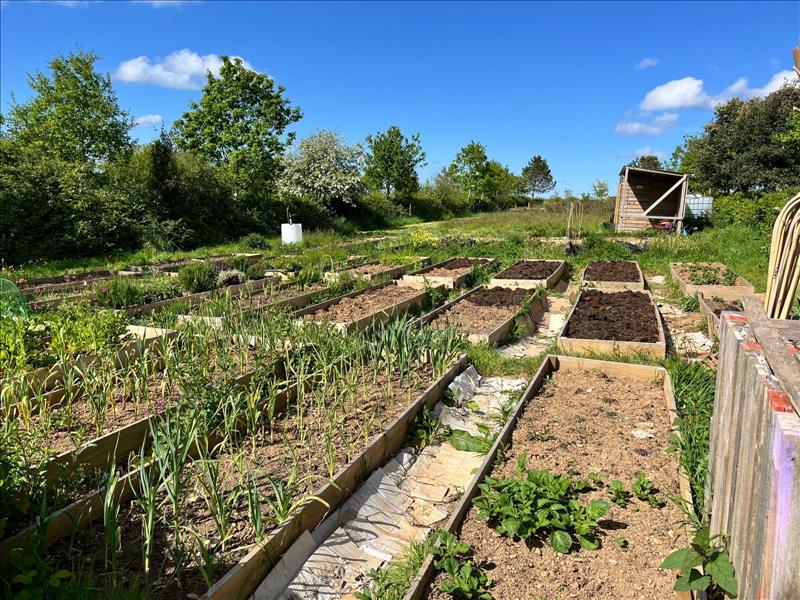
Know Which Beds Need the Most AttentionNewly planted perennials, shallow-rooted plants, and exposed soil may benefit more from winter protection than established hardy shrubs. Raised beds can also experience greater temperature fluctuations because their sides are exposed to cold air. Gardeners in regions with repeated freezing and thawing may need different strategies from those in milder climates. Check drainage, plant hardiness, and exposure before deciding where to concentrate your efforts. Prioritizing vulnerable areas makes better use of both your time and available materials.
Don't Spend Money Before Checking Your Own YardThe best free ways to protect garden beds often involve resources gardeners already have. Fallen leaves, healthy perennial stems, mature compost, and reusable materials can all contribute to winter preparation when used appropriately. These methods won't replace every specialized protection product, particularly for unusually tender plants. However, they can reduce unnecessary purchases while supporting soil health and beneficial wildlife. Before heading to the garden center, look around your property and consider how much winter protection nature has already provided.
What's your favorite no-cost trick for protecting garden beds through winter? Do you reuse leaves and yard materials, or prefer purchasing mulch and protective covers? Share your experience in the comments!

Legal Disclaimer:
MENAFN provides the
information “as is” without warranty of any kind. We do not accept any
responsibility or liability for the accuracy, content, images, videos,
licenses, completeness, legality, or reliability of the information
contained in this article. If you have any complaints or copyright issues
related to this article, kindly contact the provider above.


Comments
No comment