


Can You Grow A New Plant From A Grocery Store Ginger Root?


That knobby piece of ginger sitting in your refrigerator might have more potential than you realize. Instead of using every piece in a recipe, you could try turning part of it into a living plant. Ginger is a tropical perennial grown for its flavorful underground rhizomes, the thickened stems commonly sold as ginger root. Unlike many grocery-store vegetables, ginger doesn't need seeds to reproduce. A healthy section of rhizome containing a viable growing bud can potentially produce shoots, leaves, and additional rhizomes. But growing ginger from grocery store ginger comes with a few complications that gardeners should understand before planting.
Grocery Store Ginger Isn't Always Ready to SproutGinger sold for cooking may have been treated or stored in ways that discourage sprouting. The University of Illinois Extension notes that grocery-store ginger may receive sprout-inhibiting treatment and isn't certified disease-free for planting. That doesn't mean every supermarket rhizome is incapable of growing. Some pieces develop visible buds even while sitting in a kitchen pantry. However, gardeners seeking the most reliable results may prefer certified planting rhizomes from reputable garden suppliers.
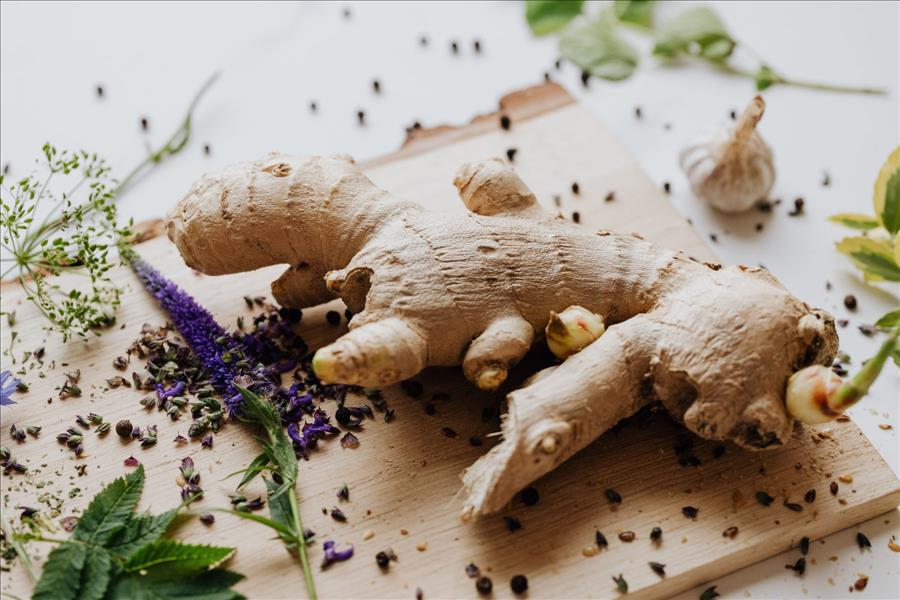
Look for the Small Buds Called EyesA ginger rhizome contains nodes where new shoots can develop. These growing points may appear as small pale, greenish, or slightly raised bumps along the surface. Choose a firm piece without extensive shriveling, soft spots, or visible mold. If a large rhizome has several healthy buds, it can potentially be divided into smaller planting sections. Each section should retain at least one viable growing point and enough stored energy to support early growth.
Start With a Warm, Shallow ContainerGinger grows horizontally, making a wide container more useful than a narrow, deep pot. Choose a container with drainage holes and fill it with loose, fertile, well-draining potting mix. Position the rhizome horizontally with its buds facing upward, covering it with approximately one to two inches of soil. Water lightly and place the container somewhere warm rather than immediately exposing it to cold outdoor conditions. Consistently saturated soil can cause rhizomes to rot before they establish healthy roots.
Warmth Is More Important Than Many Beginners RealizeGinger is a tropical crop that performs poorly in cold soil. The University of Illinois Extension identifies temperatures around 70 to 80 degrees Fahrenheit as favorable for outdoor growing. In colder climates, starting ginger indoors during late winter can extend the growing season. A warm location encourages sprouting, although the process may take several weeks depending on the rhizome's condition. Avoid moving young ginger outdoors until nighttime temperatures are reliably warm and frost is no longer a threat.
Ginger Doesn't Need Harsh Afternoon SunUnlike tomatoes and peppers, ginger often performs well with bright indirect light or partial shade. In tropical environments, it can grow beneath taller vegetation where sunlight is filtered. Container-grown ginger may benefit from morning sunshine and protection from intense afternoon heat. Too little light can produce weak growth, while excessive direct sun may scorch foliage. Monitor leaf color and growth habits to determine whether your plant needs a different location.
How Long Does It Take to Harvest?Ginger generally requires several months of warm growing conditions to develop substantial rhizomes. Gardeners can sometimes harvest young, tender ginger earlier, but mature rhizomes usually require a longer season. In regions with short summers, container growing makes it easier to extend growth indoors. Harvesting involves carefully lifting the plant and removing the rhizomes from the soil. Save a healthy section with viable buds if you want to attempt another growing cycle.
Can You Grow Ginger Indoors Year-Round?Indoor ginger can survive when provided with adequate warmth, moisture, and light. However, the plant may slow down or enter dormancy as daylight decreases. Yellowing foliage doesn't automatically mean the rhizome has died, particularly when the plant is entering a resting period. Reduce watering when growth slows and avoid keeping dormant rhizomes in soggy soil. A sunny window or suitable grow light may help maintain growth, but successful indoor production depends on the available conditions.
What About Store-Bought Organic Ginger?Some gardeners prefer organic grocery-store ginger because they hope it hasn't received conventional sprout-inhibiting treatments. Organic labeling alone, however, doesn't guarantee that a rhizome is disease-free or will sprout successfully. Freshness, storage conditions, and the presence of viable buds still matter. Planting stock specifically produced for gardening is generally the safer option when avoiding plant diseases is a priority. If you're experimenting with grocery-store ginger, keep it separate from valuable established plantings until you're confident it's healthy.
Is Growing Your Own Ginger Cheaper?The financial value depends on how much ginger you use and what supplies you already own. Someone who regularly buys fresh ginger may appreciate harvesting small amounts from a homegrown plant. However, purchasing containers, potting mix, and indoor lighting solely for one rhizome may eliminate potential savings. Gardeners with existing supplies can make the experiment inexpensive by using a small piece of ginger they already purchased for cooking. Even an unsuccessful attempt can teach useful lessons about tropical plants and vegetative propagation.
One Small Rhizome Can Start an Interesting ExperimentGrowing ginger from grocery store ginger is possible, but success isn't guaranteed. Choose a healthy rhizome with visible buds, provide warm growing conditions, and avoid excessive watering. Remember that grocery-store ginger isn't certified planting material and may have been treated to discourage sprouting. For dependable production, certified disease-free planting stock is the better choice. For a low-cost gardening experiment, however, a sprouting piece of kitchen ginger can be a surprisingly rewarding place to start.
Have you ever planted ginger from the grocery store? Did it sprout successfully, or did the rhizome rot before anything appeared? Share your experience in the comments!

Legal Disclaimer:
MENAFN provides the
information “as is” without warranty of any kind. We do not accept any
responsibility or liability for the accuracy, content, images, videos,
licenses, completeness, legality, or reliability of the information
contained in this article. If you have any complaints or copyright issues
related to this article, kindly contact the provider above.


Comments
No comment