


Want Something Unusual In Your November Garden? Try These 5 Insect-Eating Plants


Find out about 5 amazing carnivorous plants which use ingenious trapping methods to capture insects. Watch how they use spring-loaded leaves, sticky surfaces and water sucks.
While many plants require sunlight, water and nutrients from the soil to survive, some have adapted to utilise an amazing way of obtaining nutrients. Carnivorous plants use a variety of methods to capture and digest insects. Each plant has its own unique method of trapping insects meaning that they are some of the most interesting examples of adaptation in nature.
Discover 5 amazing carnivorous plants which use some clever methods to trap insects.
1. Venus Flytrap: The Snap Trapper
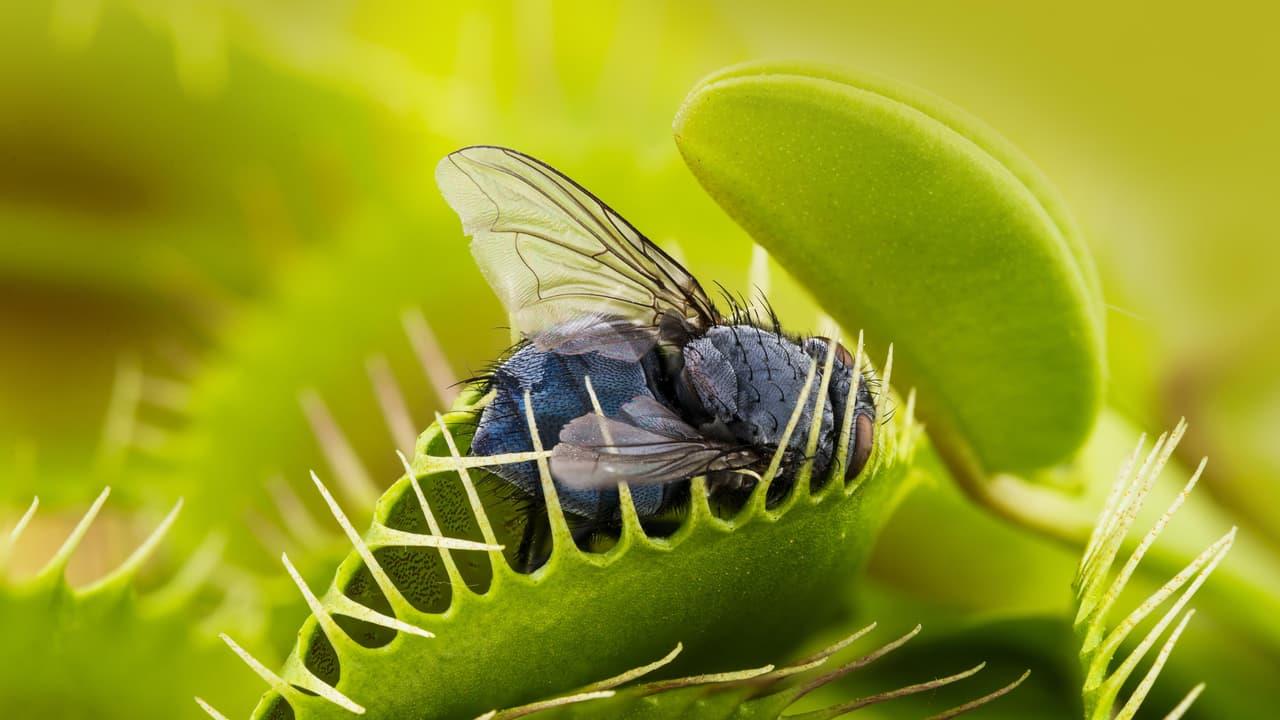
The Venus flytrap is the most well-known carnivorous plant. It features two hinged lobes on its leaves. These lobes have sensitive trigger hairs on them. If these trigger hairs are touched multiple times by an insect within a short amount of time, then the leaves will snap shut trapping the insect which will then be digested by enzymes.
The pitcher plant has leaves which have been adapted to create a pitcher. This pitcher contains digestive fluids. The plants attract insects using sweet nectar and bright colours. Once the insect lands on the slippy edge of the pitcher it will fall into the plant.
Sundews have delicate tendrils which are covered in shiny sticky liquid. This sticky liquid looks like morning dew and attracts insects. Once an insect lands on the leaf it gets stuck in the sticky liquid. Tendrils near to the insect will slowly curl around the insect. Enzymes will then be released.
Bladderworts live in freshwater and use small bladder like traps to catch small aquatic animals. If the trap comes into contact with its prey, it will open and suck the animal and water into the trap. The trap will quickly shut.
Butterworts have large flat leaves which are covered in small glands. These glands produce a sticky liquid. If small insects land on the leaf, they will get stuck. Enzymes will then be released to digest the insect allowing the plant to gain valuable nutrients.
These amazing plants demonstrate that there aren't always rules to surviving in nature. Carnivorous plants have adapted to use various trapping methods to gain nutrients in areas where the soil doesn't usually contain the necessary minerals.

Legal Disclaimer:
MENAFN provides the
information “as is” without warranty of any kind. We do not accept any
responsibility or liability for the accuracy, content, images, videos,
licenses, completeness, legality, or reliability of the information
contained in this article. If you have any complaints or copyright issues
related to this article, kindly contact the provider above.


Comments
No comment