


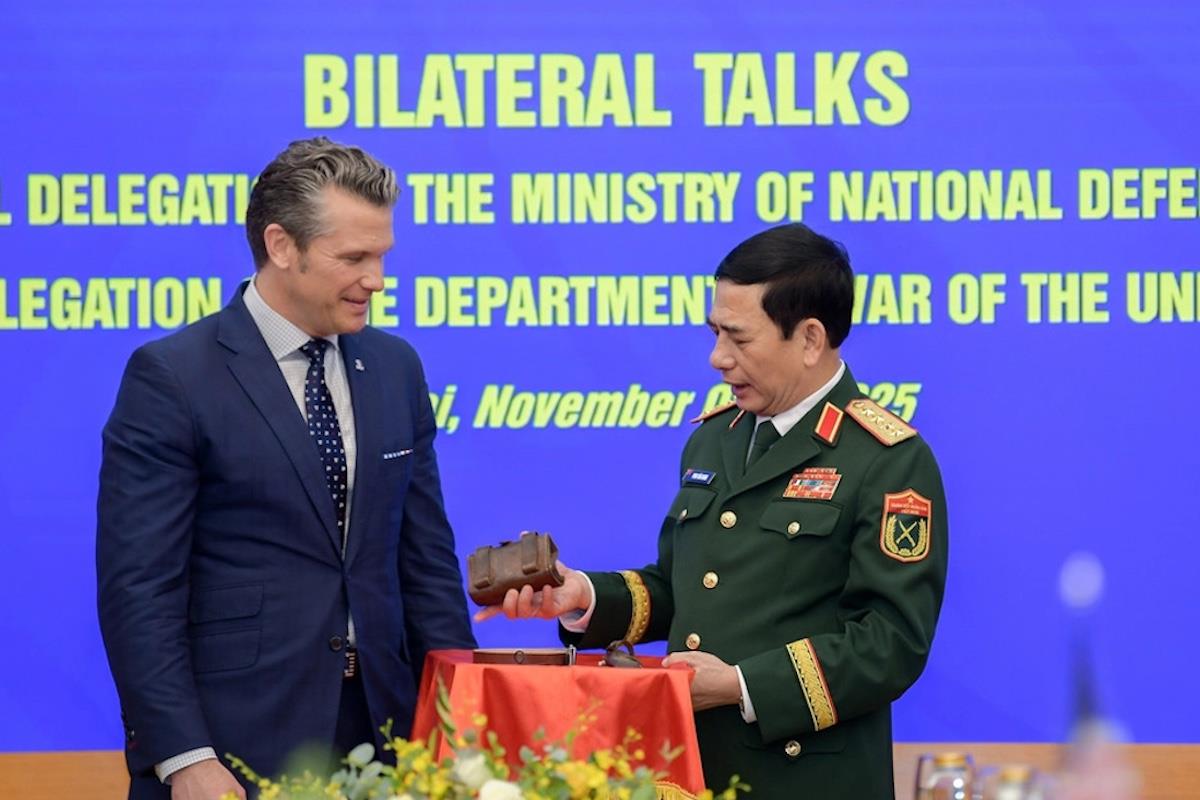
Elevating US-Vietnam Defense Ties For Regional Stability


What began as careful tactical engagement is now a vital anchor for regional stability under the Comprehensive Strategic Partnership.
Yet as the Ministry of National Defense accelerates preparations for the Third Vietnam International Defense Expo in Hanoi this December, policymakers in both capitals should answer a key question: how do we translate this political momentum into durable, structured capabilities?
Real partnerships survive on an ongoing capacity to adapt, demanding Hanoi and Washington to broaden their defense architecture while respecting the strategic boundaries that define Vietnam's foreign policy. Doing so requires anchoring the future in the exceptional trust capital born of war legacy remediation.
Over the past decades, sweeping joint initiatives - from the Bien Hoa dioxin cleanup to unexploded ordnance clearance in provinces like Quang Tri - have served as the bedrock of the relationship.
This cooperation is reciprocal. Vietnam's decades-long dedication to accounting for missing US personnel is met by expanded Washington assistance in deploying advanced DNA analysis to identify fallen Vietnamese soldiers.
As this historic post-war reconciliation nears completion, it should no longer be treated as a standalone achievement and instead be leveraged as a launchpad for modern security cooperation. To catalyze this next strategic phase, Washington and Hanoi should prioritize four decisive steps.

Legal Disclaimer:
MENAFN provides the
information “as is” without warranty of any kind. We do not accept any
responsibility or liability for the accuracy, content, images, videos,
licenses, completeness, legality, or reliability of the information
contained in this article. If you have any complaints or copyright issues
related to this article, kindly contact the provider above.


Comments
No comment