


Return Of The Cheetah: Bloodlines Premieres Globally, Documenting The Conservation Of Cheetah Genetic Diversity


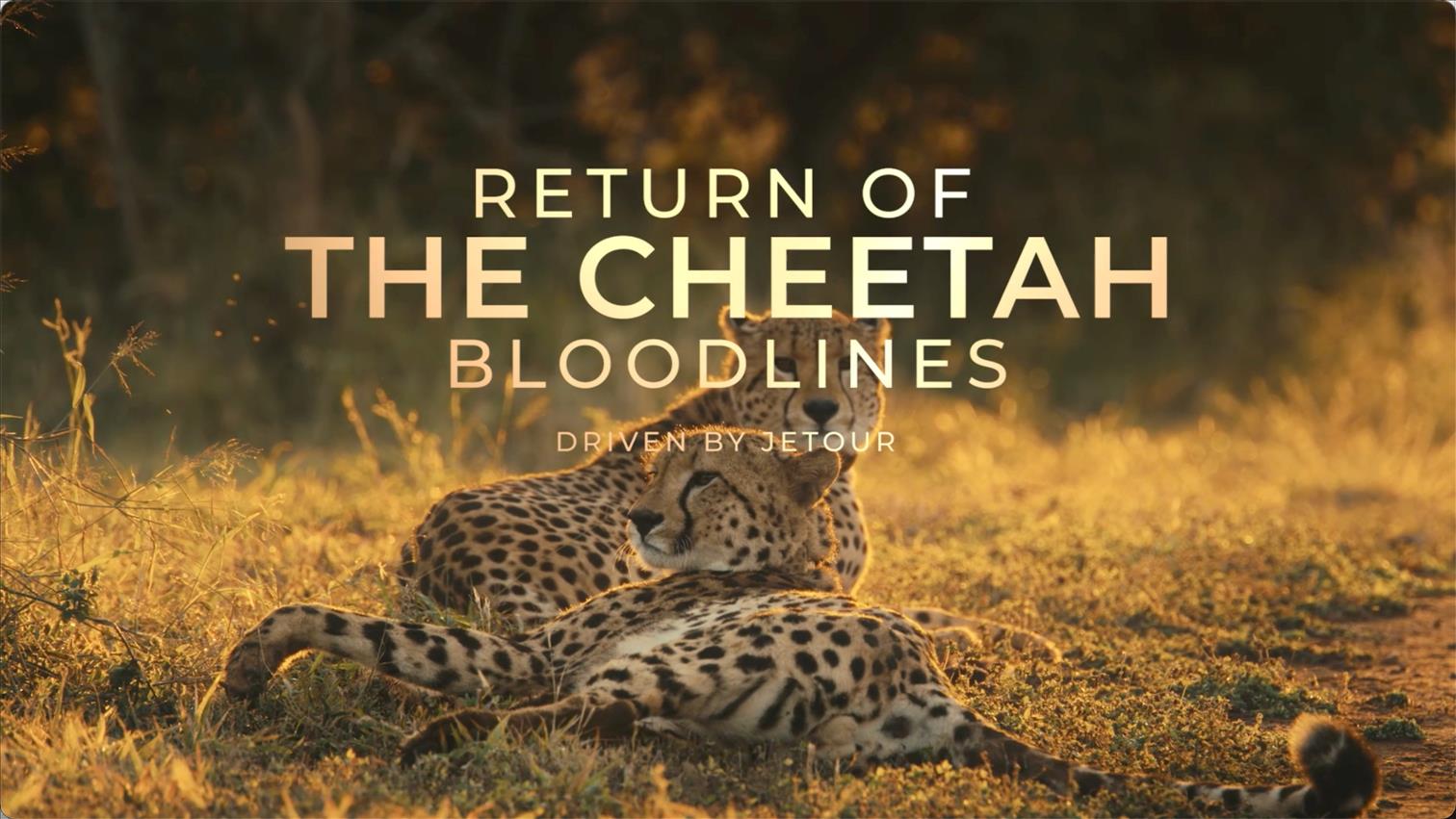
Protecting the Cheetah: Addressing the Genetic Diversity Crisis
As the world's fastest land mammal, the cheetah faces an alarming reality. Threats such as habitat fragmentation, human-wildlife conflict, and illegal wildlife trade have reduced the global wild cheetah population to fewer than 7,500, with their historic range shrinking by more than 90%. Beyond these visible threats lies a more insidious crisis: the loss of genetic diversity caused by population isolation. As natural ecological corridors are severed by human activity, fragmented populations can no longer exchange genes, posing a severe challenge to the species' long-term survival.
Centering on this core challenge, Season 3 follows JETOUR and Discovery Channel alongside teams from the Cheetah Conservation Fund (CCF) and the Endangered Wildlife Trust (EWT) as they work tirelessly to alleviate the plight of the cheetah population.
Restoring Gene Pools: Rescue Efforts and Metapopulation Management
In South Africa, conservation teams employ a scientific relocation strategy to transfer cheetahs between different reserves, artificially restoring genetic connectivity across isolated groups. By implementing an innovative“metapopulation” management approach, South Africa has achieved its first increase in cheetah numbers in decades. From wild cheetah rescues in Namibia to saving cubs from illegal trade in the Horn of Africa, every rescued individual adds a critical piece to the genetic database, providing a scientific foundation for future conservation strategies. Researchers conduct sampling, monitoring, and patrols day after day, building a robust defense network for the species through cross-institutional and cross-border collaboration.
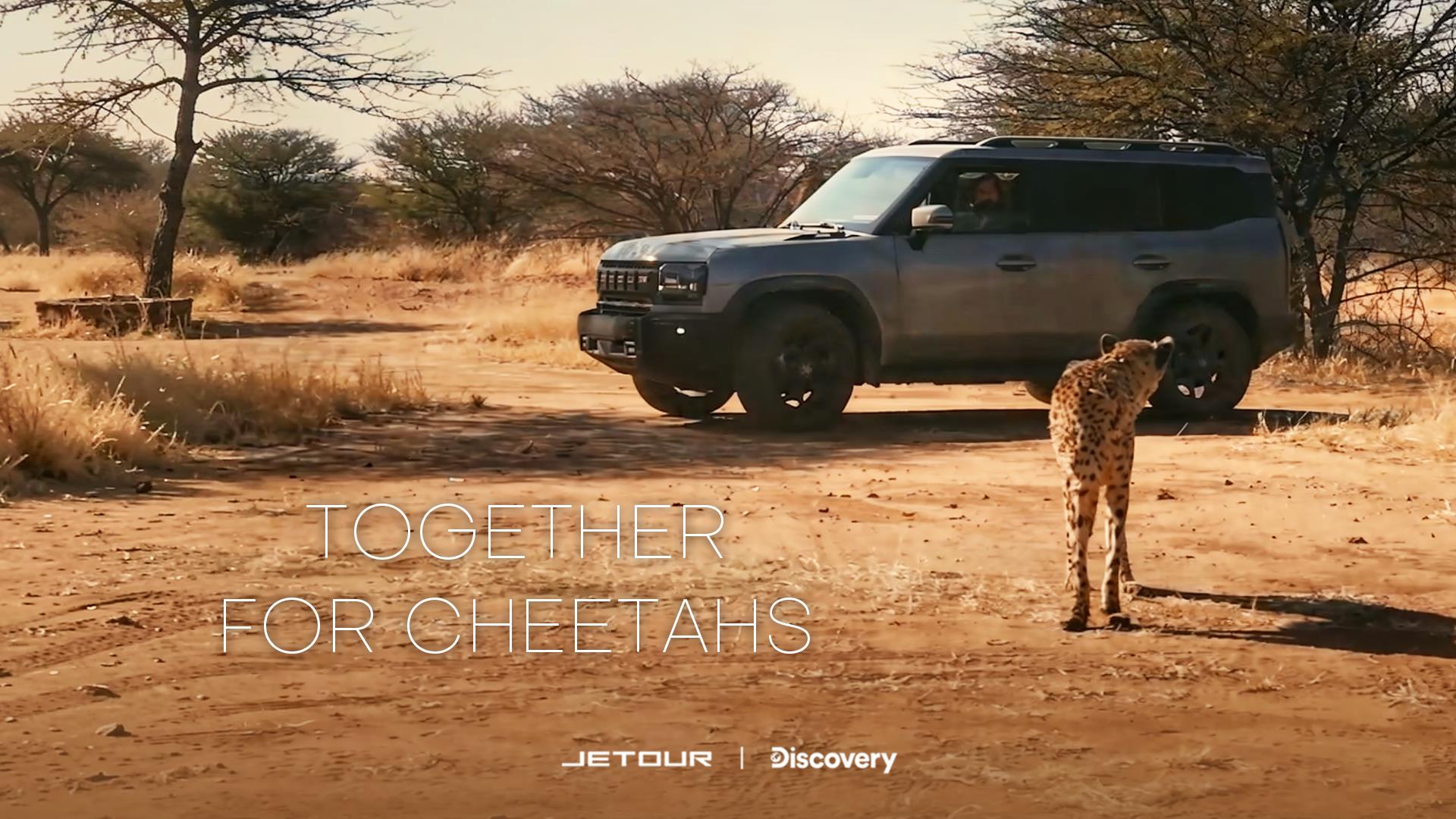
As an active partner throughout this journey, the JETOUR T2 i-DM serves as a reliable mobile support base for the conservation team. Traversing rugged terrain deep inside reserves, explorer Hazen Audel, together with members from CCF and EWT, accesses remote observation posts to set up tracking equipment, transport samples, and monitor wild cheetahs. Acting as a mobile workstation, JETOUR Auto accompanies the conservationists on every leg of their field patrols.
Long-Term Commitment: Extending Travel to Wildlife Conservation
For JETOUR, Return of the Cheetah represents a tangible manifestation of its“Travel+” strategy in environmental protection, reflecting deep reflection on wildlife conservation. Protecting a species requires more than a single intervention; it calls for scientific expertise, sustained effort, and long-term collaboration. Driven by this vision, JETOUR partners with professional wildlife conservation organizations, global travelers, and international stakeholders to protect ecosystems. By translating respect for life and nature into sustained action, JETOUR aims to build a travel culture rooted in both exploration and conservation.
Contact:
Tina Liu
JETOUR Auto
13757229826
...
Photos accompanying this announcement are available at:


Legal Disclaimer:
MENAFN provides the
information “as is” without warranty of any kind. We do not accept any
responsibility or liability for the accuracy, content, images, videos,
licenses, completeness, legality, or reliability of the information
contained in this article. If you have any complaints or copyright issues
related to this article, kindly contact the provider above.


Comments
No comment