


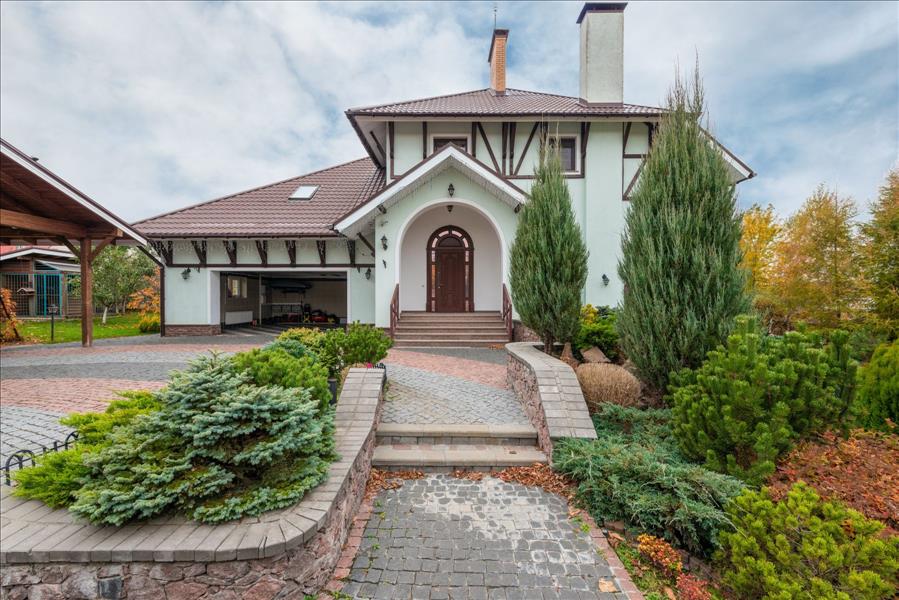
7 Surprising Landscaping Rules That Could Get Homeowners In Trouble With Their HOA


You might assume that owning your home means you can plant whatever you want in your front yard. After all, you're paying the mortgage, maintaining the landscaping, and covering the cost of every plant. But homeowners associations can have surprisingly specific expectations about how residential landscaping should look. A garden that seems perfectly reasonable to you might violate rules about plant height, tree removal, decorative materials, or even the location of a vegetable bed. Depending on the governing documents and applicable state law, HOA landscaping rules can lead to violation notices, fines, and demands to modify work you've already paid for. Here are seven restrictions homeowners sometimes overlook.
1. Planting a Vegetable Garden in the Front YardA vegetable garden might seem like a practical way to reduce grocery expenses while making better use of your property. However, some HOAs restrict food gardens to backyards or designated planting areas. Others regulate the appearance of raised beds, trellises, fencing, and irrigation equipment. State laws may limit an association's ability to prohibit certain residential gardening activities, making location especially important. Before purchasing lumber and soil for a front-yard vegetable garden, review both your HOA documents and applicable state protections.
2. Removing a Tree Without Written ApprovalA dead, diseased, or inconvenient tree may appear to be an obvious candidate for removal. Yet some associations require architectural approval before homeowners remove trees above a specified size. Local tree preservation ordinances can also apply independently of HOA requirements. A homeowner who removes a healthy mature tree without authorization may face fines or requirements to install replacement landscaping. If a tree presents an immediate safety concern, document its condition and ask the association about emergency removal procedures.
3. Installing Decorative Rocks Instead of MulchReplacing organic mulch with decorative gravel can seem like an easy way to reduce annual maintenance. However, some communities regulate the colors, materials, and percentage of landscaping that can consist of rock or hardscape. These restrictions may be especially relevant in neighborhoods designed around uniform planting beds. Decorative rock can also increase heat around certain plants and doesn't provide the same soil-building benefits as decomposing organic mulch. Request written approval before replacing large areas of existing landscaping with permanent materials.
4. Letting Your Grass Grow Too TallSome HOAs establish maximum lawn heights or require homeowners to maintain a particular appearance. Unfortunately, these standards may conflict with gardening practices designed to encourage deeper roots, pollinators, or drought resistance. A homeowner participating in a“No Mow May” initiative could potentially violate community maintenance requirements. However, some states and municipalities have protections for certain native landscaping or environmentally beneficial practices. Review the exact language of your association's rules before assuming a naturalized lawn is prohibited.
5. Planting a Privacy Hedge That Grows Too HighFast-growing hedges are popular because they can provide privacy without installing an expensive fence. However, an HOA may regulate hedge height, placement, and visibility near sidewalks or intersections. A row of arborvitae planted at three feet tall could eventually grow well beyond the community's permitted height. Trimming mature hedges can become expensive, particularly when specialized equipment or professional maintenance is required. Before planting, investigate the species' mature dimensions rather than relying on its appearance at the nursery.
6. Changing Your Landscaping Without Architectural ApprovalHomeowners sometimes assume that replacing existing plants doesn't qualify as a significant exterior modification. In reality, some associations require approval for substantial changes to planting beds, trees, irrigation systems, and other landscaping features. The California Law Revision Commission has documented how architectural restrictions can govern physical changes to residential property. Requirements vary considerably, and some communities allow routine replacement of similar plants without formal review. The safest approach is requesting clarification before spending hundreds or thousands of dollars on a redesign.
7. Creating a Wildlife-Friendly Yard That Looks UnmaintainedNative plants, fallen leaves, and standing seed heads can provide valuable habitat for birds and beneficial insects. However, an HOA may interpret certain naturalized landscapes as overgrown or poorly maintained. The University of Maryland Extension encourages leaving some plant stems and leaves in place to support overwintering wildlife. Gardeners can sometimes balance ecological benefits with community expectations by using defined borders, maintained pathways, and intentional plant groupings. If a dispute develops, documented landscaping plans and information about the plants' ecological purpose may help explain the design.
State Laws Can Override Some Association RestrictionsAn HOA's governing documents aren't necessarily the final authority on every landscaping issue. State statutes may protect certain activities involving water conservation, native plants, food gardening, or other environmentally beneficial landscaping. Florida, for example, has specific protections involving Florida-Friendly Landscaping, although the scope and application of those protections depend on the law and circumstances. Homeowners should avoid assuming that a rule is automatically enforceable simply because it appears in an association handbook. Conversely, claiming an environmental purpose doesn't automatically exempt a homeowner from every legitimate maintenance or safety requirement.
What to Do After Receiving a Landscaping ViolationStart by requesting the exact rule or covenant that the association believes you've violated. Compare the notice with your governing documents, architectural approvals, and applicable state law. Take photographs of the landscaping and retain copies of communications, especially when the dispute involves work previously approved. Ask about appeal procedures, hearing rights, correction deadlines, and whether fines can accumulate while the matter is disputed. For expensive disputes involving property rights, a local attorney familiar with HOA law may be worth consulting.
Your Garden Plans Should Include the RulebookUnderstanding HOA landscaping rules before starting a project can prevent expensive disagreements and unnecessary replanting. The most surprising restrictions often involve ordinary decisions such as changing mulch, planting vegetables, or allowing shrubs to mature. Written approval can provide valuable documentation, but homeowners should also investigate whether state law limits particular restrictions. A little research before planting is usually cheaper than paying to remove a completed landscape. Your garden should reflect your preferences while remaining consistent with the legal requirements that actually apply to your property.
What's the strangest HOA landscaping rule you've encountered? Have you ever been told to remove a plant or change your yard after spending money on it? Share your experience in the comments!

Legal Disclaimer:
MENAFN provides the
information “as is” without warranty of any kind. We do not accept any
responsibility or liability for the accuracy, content, images, videos,
licenses, completeness, legality, or reliability of the information
contained in this article. If you have any complaints or copyright issues
related to this article, kindly contact the provider above.


Comments
No comment