


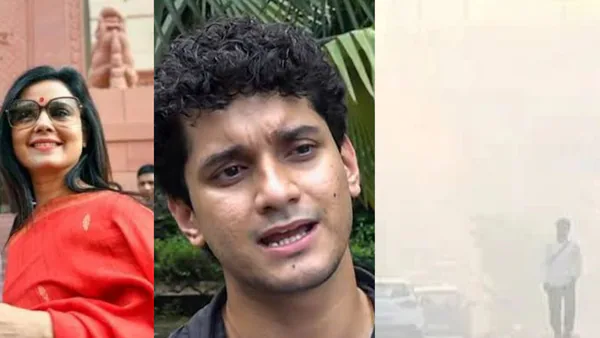
'How Can This Be Legal?' Why Are Mahua Moitra, CJP's Saurav Das Questioning BS-VI Exemption For Delhi Lawyers


Reacting to the order, Moitra questioned its legality, writing on X: "Huh? How can this be legal? Has Delhi High Court lost it completely?"
Saurav Das also criticised the exemption, raising concerns about judicial accountability and equality before the law.
"Courts have been doing this for ages. They keep exempting themselves completely from any accountability and transparency. This is just taking it a step further. RIP equality before law!" Das wrote.
What did the Delhi High Court order?Justice Amit Mahajan on Friday passed the order on a petition filed by the Delhi High Court Bar Association (DHCBA), according to PTI. The exemption will apply to lawyers and court staff on court working days.
Also Read | Delhi pollution curbs from Nov 1: 50% WFH; will your car be allowed? Full guideThe DHCBA had sought an exemption for vehicles lawfully used by advocates residing in the National Capital Region (NCR) and travelling to Delhi for professional duties.
Citing pollution concerns, the Delhi governmen had on June 23 decided to prohibit the entry of all outside motor vehicles that do not meet BS-VI emission standards into the capital between November 1 and January 31.
The association argued that a large number of advocates travel to Delhi courts from NCR cities, including Gurugram, Faridabad, Noida and Ghaziabad, to perform judicial functions.
Also Read | GRAP Stage III invoked in Delhi: Which vehicles are allowed on roads today?DHCBA president and senior advocate N Hariharan questioned the blanket nature of the restriction.
"How can there be a blanket ban? We are performing judicial functions. If half of us can't come here, how will the courts function?" he argued.
Also Read | Delhi pollution: Rohini tops list as AQI nears severe markIn its petition, the association acknowledged the importance of clean air and the state's authority to regulate vehicular emissions. However, it mentioned that advocates should be exempted from the restriction in the interest of the administration of justice.
The petition also cited the Supreme Court's judgment in Anita Kushwaha v. Pushap Sudan, which recognised access to justice as a facet of Articles 14 and 21 of the Constitution.
It said the timely attendance of advocates when required by a court serves the interests of litigants and the administration of justice. The association argued that the impact of the restriction on access to courts should be considered while balancing the need to regulate vehicular emissions.
(With inputs from agency)

Legal Disclaimer:
MENAFN provides the
information “as is” without warranty of any kind. We do not accept any
responsibility or liability for the accuracy, content, images, videos,
licenses, completeness, legality, or reliability of the information
contained in this article. If you have any complaints or copyright issues
related to this article, kindly contact the provider above.


Comments
No comment