


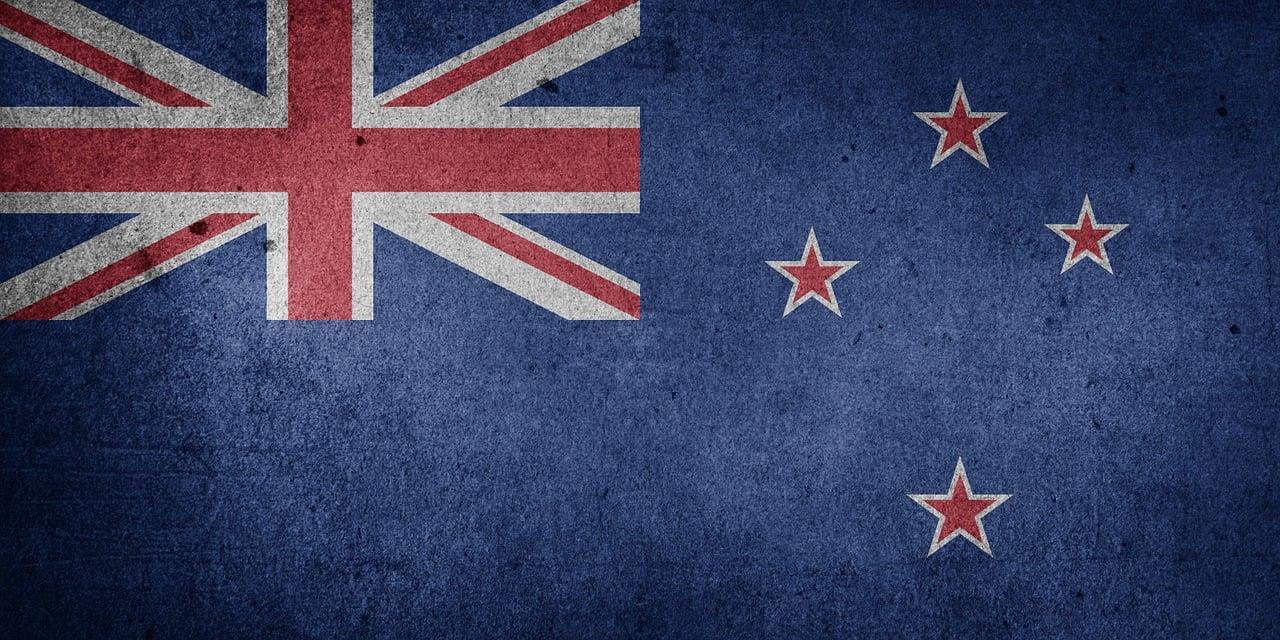
NZ Election Too Close to Call: 300,000 Special Votes Decide


(MENAFN) New Zealand voters delivered no decisive result in Saturday’s general election, leaving the next government to be settled by a count of roughly 300,000 special votes.
Christopher Luxon, the prime minister and National Party leader, said his party had a “pathway to forming the next government, but it is too close to call,” and acknowledged that “about 300,000 special votes” must still be counted before the outcome is clear, according to a national public broadcaster.
Special votes are ballots cast by people who are not on the electoral roll at their polling location, voters on the unpublished roll, overseas voters and those unable to reach a polling station.
Neither the National Party nor the opposition Labour Party could push past 30% of the party vote, and just a few thousand ballots separate them. Labour edged ahead with 29.4%, or 710,330 votes, against 29.2%, or 706,680 votes, for National, a gap of only 3,650 votes.
In seat terms, National took 42 and Labour won 36.
A party or coalition needs at least 66 seats for a majority in the 120-seat Parliament. The current composition is projected to include 11 additional overhang seats.
Luxon’s governing coalition is made up of the National Party, ACT New Zealand and New Zealand First, which currently hold 13 and 12 seats for the latter two, respectively.
Final election results are due on Nov. 27.

Legal Disclaimer:
MENAFN provides the
information “as is” without warranty of any kind. We do not accept any
responsibility or liability for the accuracy, content, images, videos,
licenses, completeness, legality, or reliability of the information
contained in this article. If you have any complaints or copyright issues
related to this article, kindly contact the provider above.


Comments
No comment