


7 Plants You Should Think Twice About Cutting Back In November


November can make even a beautiful garden look like it needs serious attention. Flower heads have turned brown, stems are leaning sideways, and the urge to grab the pruning shears becomes difficult to resist. But some of those seemingly dead plants are doing important work beneath the surface. Cutting certain plants back in November can eliminate next spring's flower buds, expose vulnerable roots to freezing temperatures, or remove valuable winter habitat for wildlife. In other cases, leaving plants alone actually reduces the amount of work you'll need to do when spring arrives. Before starting your fall garden cleanup, take a closer look at these seven plants that may benefit from being left alone.
1. Hydrangeas Could Already Be Holding Next Year's FlowersNot all hydrangeas respond to pruning the same way, which makes November trimming particularly risky. Bigleaf and oakleaf hydrangeas generally develop flower buds on older wood, meaning the branches you cut today may contain next summer's blooms. The University of Georgia Cooperative Extension identifies both types as shrubs that should generally be pruned after flowering. Panicle and smooth hydrangeas usually bloom on new growth, so their pruning schedules are more flexible. If you don't know which hydrangea is growing in your yard, waiting until you can identify it may prevent an entire season without flowers.
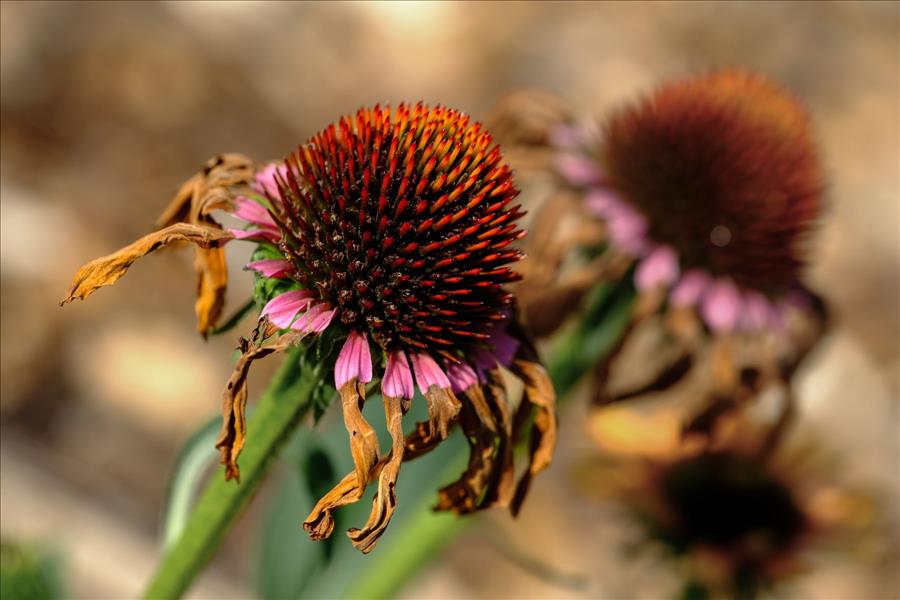
2. Coneflowers Provide Food Long After BloomingThose dark, prickly coneflower seed heads might look unattractive to gardeners who prefer perfectly trimmed flower beds. However, goldfinches and other seed-eating birds can use them as a natural food source during colder months. The Chicago Botanic Garden specifically identifies coneflowers as plants worth leaving standing for their seeds and winter interest. Their remaining stems can also provide structure and shelter for insects and other small creatures. Unless the plants have serious disease problems, postponing cleanup until spring provides more ecological value than removing everything in November.
3. Ornamental Grasses Offer Natural Winter ProtectionTall ornamental grasses often turn tan or golden as temperatures drop, creating the impression that they've finished serving their purpose. In reality, their standing foliage can help protect the plant's crown while providing winter structure and habitat. Cutting warm-season ornamental grasses to the ground too early may expose vulnerable growing points to colder conditions. Many gardeners leave these grasses intact until late winter or early spring, trimming before new growth begins. This approach also preserves the attractive movement and texture that grasses contribute to otherwise bare winter landscapes.
4. Azaleas Have Already Prepared for SpringAn azalea may look quiet in November, but its flower buds are often already formed. Cutting branches now can remove the very growth responsible for next spring's colorful display. The University of Maryland Extension explains that many spring-flowering shrubs develop buds during the previous growing season. Heavy fall pruning may also encourage tender growth during periods when plants should be preparing for dormancy. For most established azaleas, the better pruning window comes shortly after flowering has finished.
5. Black-Eyed Susans Support Winter WildlifeBlack-eyed Susans produce recognizable dark seed heads after their yellow petals disappear. These seed heads can provide food for birds while the remaining stems offer overwintering habitat for beneficial insects. The University of New Hampshire Extension encourages leaving healthy seed-producing perennials standing through winter. Removing every stem in November may make a garden appear tidier, but it also eliminates resources wildlife could otherwise use. Gardeners concerned about appearance can selectively remove damaged growth while preserving healthy seed heads toward the back of planting beds.
6. Garden Mums Benefit From Their Own Dead StemsChrysanthemums are often treated as disposable fall decorations, but many hardy garden varieties can survive winter when properly established. Their remaining stems and foliage may help trap insulating leaves and snow around the crown. Cutting them completely to the ground in November can remove some of that natural protection. Penn State Extension identifies garden mums among the perennials that may benefit from retaining their tops through winter. Applying appropriate mulch after cold weather arrives can provide additional protection, especially in regions with repeated freezing and thawing.
7. Lavender Doesn't Appreciate Aggressive Fall PruningLavender is a woody perennial shrub, and its pruning requirements differ from those of soft-stemmed flowers. Cutting deeply into old, leafless wood can leave permanent bare sections because many lavender plants struggle to produce new growth from those areas. Heavy pruning late in the season may also expose tender growth to winter damage. Light maintenance after flowering is generally safer than a drastic November haircut, although timing depends on climate and variety. Gardeners should remove clearly broken or diseased material while saving major shaping for a more appropriate growing-season window.
When Fall Cleanup Actually Makes SenseLeaving everything untouched isn't always the best gardening decision. Plants affected by serious fungal diseases, insect infestations, or aggressive self-seeding may require selective cleanup. Penn State Extension emphasizes removing diseased material while retaining healthy plants that offer winter benefits. Peonies with diseased foliage, for example, may benefit from sanitation practices that reduce problems the following year. The important distinction is whether you're removing material for plant health or simply because it looks brown.
A Little Less Pruning Could Mean a Better Spring GardenNovember gardening doesn't have to involve cutting every plant back to the soil. Some perennials need their remaining foliage for winter protection, while spring-flowering shrubs may already be carrying next year's buds. Other plants provide seeds, shelter, and overwintering habitat that disappear when the garden is completely cleared. Learning which plants to leave standing can save time, reduce unnecessary work, and protect the investment you've made in your landscape. Sometimes the smartest gardening decision is putting the pruning shears away until spring.
Which plants do you leave standing through winter, and have you ever accidentally cut something back only to discover it wouldn't bloom the following year? Share your experience in the comments!

Legal Disclaimer:
MENAFN provides the
information “as is” without warranty of any kind. We do not accept any
responsibility or liability for the accuracy, content, images, videos,
licenses, completeness, legality, or reliability of the information
contained in this article. If you have any complaints or copyright issues
related to this article, kindly contact the provider above.


Comments
No comment