


Naraka Chaturdashi 2026: Date, Abhyanga Snan Muhurat, Significance And Rituals Explained


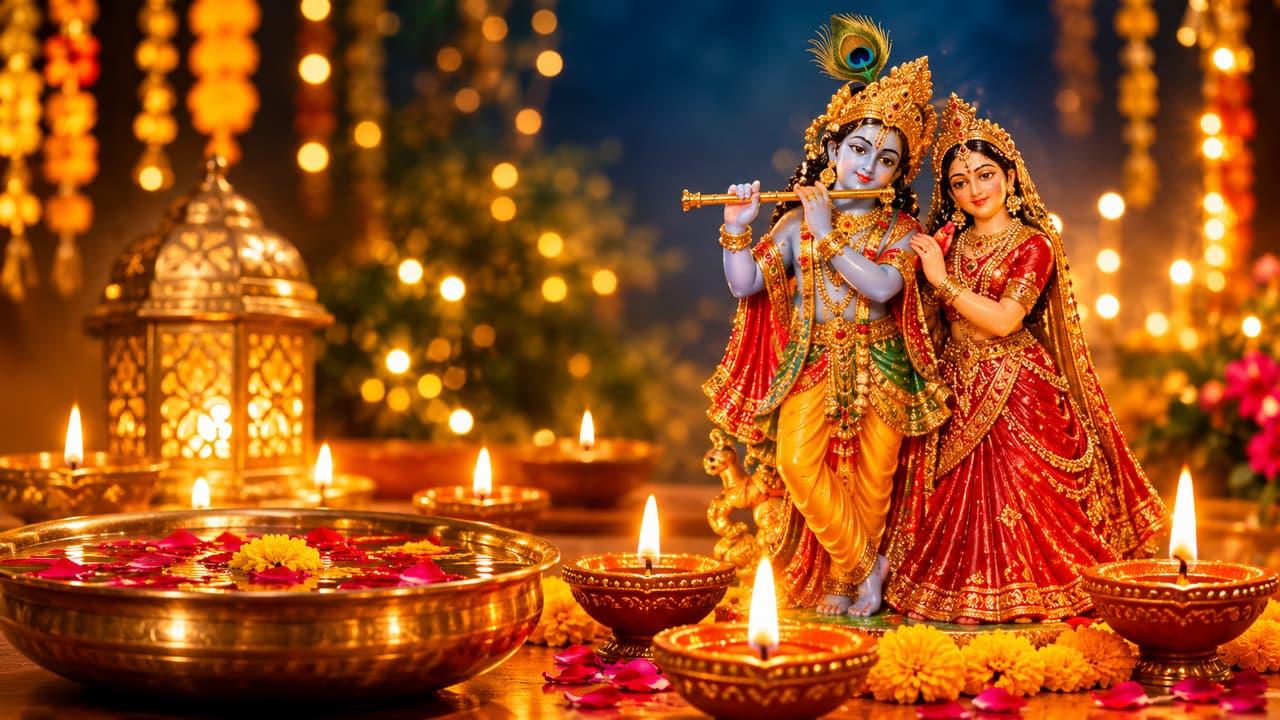
Naraka Chaturdashi is a significant day observed during Diwali, which is celebrated over five days. People take oil baths, pray and light lamps during the festival. It is popularly known as Choti Diwali and signifies the victory of good over evil as Lord Krishna defeated the demon Narakasura.
This year, Naraka Chaturdashi will fall on November 8, which will coincide with Diwali. It is also known as Roop Chaturdashi or Roop Chaudas and holds great significance for devotees who take Abhyanga Snan (oil bath) at the beginning of the day.
Know all the details of Naraka Chaturdashi 2026 in detail such as the date, Chaturdashi Tithi, Abhyanga Snan Muhurat, significance and important rituals.
Naraka Chaturdashi 2026 Dates
Naraka Chaturdashi is observed on the fourteenth day (Chaturdashi Tithi) of Krishna Paksha during Kartik month. In 2026, Naraka Chaturdashi will be celebrated on Sunday, November 8.
Important dates to note down:
- Naraka Chaturdashi - Sunday, November 8, 2026 Chaturdashi Tithi Begins - 10:47 AM, November 7 Chaturdashi Tithi Ends - 11:27 AM, November 8 Abhyanga Snan Muhrat - 5:41 AM to 6:38 AM, November 8 Duration - 57 minutes.
These dates have been taken from New Delhi Panchang. Depending upon your city, the time of Abhyanga Snan will vary. Always refer to your local Panchang before performing any rituals.
Significance Of Naraka Chaturdashi
As per Hindu Mythology, Naraka Chaturdashi marks the victory of Lord Krishna over the demon king Narakasura who caused distress to people. He was defeated by Lord Krishna with the help of Satyabhama and thus everyone who was in his captivity were set free.
It signifies the victory of good over evil. It also teaches us the importance of purifying our soul and staying positive.
Important Rituals To Perform On Naraka Chaturdashi 2026
There are several rituals performed on this day, however the most significant is Abhyanga Snan.
- Abhyanga Snan - Apply sesame oil to your body and take an early morning oil bath. Some households also use ubtan for cleansing. Lighting Diyas - Families light earthen lamps across their homes. Praying - Devotees pray to Lord Krishna and perform regional rituals. Cleaning Homes - Homes are cleaned and decorated using rangoli, flowers and lamps.
Depending on the region and community, there may be variations in the rituals however the message remains the same. Good has won over evil.

Legal Disclaimer:
MENAFN provides the
information “as is” without warranty of any kind. We do not accept
any responsibility or liability for the accuracy, content, images,
videos, licenses, completeness, legality, or reliability of the information
contained in this article. If you have any complaints or copyright
issues related to this article, kindly contact the provider above.


Comments
No comment