


5 Foods You're Probably Throwing Away Too Soon - And 3 You Shouldn't Risk Keeping


Cleaning out the refrigerator can feel like throwing money away. A container of yogurt reaches its printed date, a block of cheese develops a small spot of mold, or bread starts getting stale, and it is tempting to toss everything before checking whether it is still usable. But not every food needs to be discarded the moment its quality changes or a date passes. Some products can remain safe and useful longer than shoppers expect when they have been stored properly. Others, however, have a much shorter safe-storage window, and keeping them too long can create a food-safety risk. Knowing the difference can help households waste less without taking unnecessary chances.
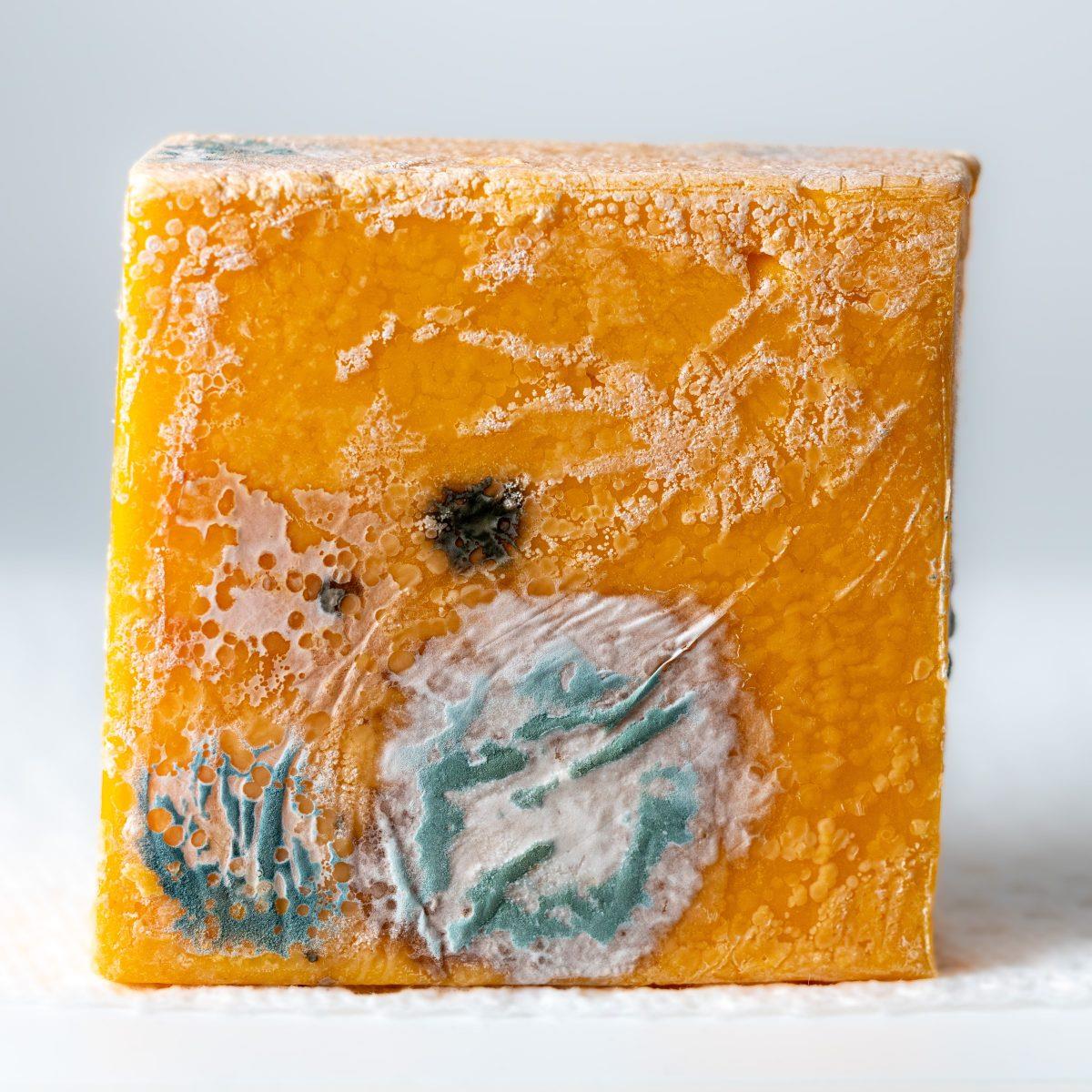
1. Hard Cheese Can Often Be Saved After Mold AppearsFinding a small patch of mold on a block of cheddar, Parmesan, or another hard cheese does not necessarily mean the entire package needs to go. Hard cheeses have a dense structure that makes it more difficult for mold to spread throughout the product. For a solid block, food-safety guidance generally allows you to cut away the mold, removing at least one inch around and below the affected area. Keep the knife away from the mold itself so it does not transfer spores to the remaining cheese.
That rule does not apply to every type of cheese. Soft cheeses, shredded cheese, sliced cheese, and crumbled cheese should be discarded if mold appears because contamination can spread more easily through their texture or throughout the package. If the cheese has an unusual smell, slimy surface, or other signs of spoilage, do not try to salvage it. Storing hard cheese properly in the refrigerator can also help preserve its quality and reduce waste.
2. Eggs May Last Longer Than the Date on the Carton SuggestsEgg cartons can have several dates printed on them, including sell-by, best-by, and expiration dates. These dates can confuse shoppers into thinking eggs must be thrown away immediately afterward. When eggs have been refrigerated consistently, they can generally remain good for three to five weeks after purchase. The important detail is keeping them cold, ideally at 40 degrees Fahrenheit or below, rather than leaving them on the counter for extended periods.
Store eggs in their original carton on a refrigerator shelf instead of the door, where temperatures fluctuate more. Cracked eggs should be discarded, and eggs that have been left unrefrigerated for too long should not be kept for later use. A smell test can help identify an obviously spoiled egg after cracking, but appearance and smell cannot guarantee that an egg is free from harmful bacteria. Proper refrigeration and handling matter more than relying on a printed date alone.
3. Stale Bread Is Not Automatically Spoiled BreadBread can lose its soft texture well before it becomes unsafe to eat. A loaf that feels dry or slightly stale may still work for toast, French toast, croutons, or breadcrumbs. If the bread has no visible mold and has been stored properly, a change in texture alone does not mean it belongs in the trash. This is one reason households sometimes throw away bread that could still be used in another meal.
Mold is a different story. Bread is porous, so mold can spread below the surface even when only a small spot is visible. Do not cut off the moldy section and eat the rest of the loaf. Discard the entire package, including slices that appear unaffected. To prevent waste, freeze extra bread before it becomes stale and remove only the slices needed for each meal.
4. Yogurt Does Not Always Need to Go the Day Its Date PassesA printed date on yogurt often relates to quality rather than an automatic safety deadline. Unopened yogurt that has remained refrigerated may still be usable after its best-by or sell-by date, although its texture and flavor can change over time. Some separation is normal and can often be stirred back into the yogurt. That does not mean every container is safe indefinitely, but it does mean the printed date should be considered alongside how the product was handled.
Discard yogurt if you notice mold, an unusual odor, a swollen container, or other obvious signs of spoilage. Do not taste it to determine whether it is safe. Once opened, yogurt should be kept tightly covered and refrigerated, with clean utensils used each time. If it has been left at room temperature for more than two hours, or one hour in temperatures above 90 degrees, it should be discarded.
5. Frozen Foods Can Remain Safe Much Longer Than You ThinkFood stored continuously at zero degrees Fahrenheit or below can remain safe indefinitely from a food-safety standpoint. That includes frozen vegetables, meat, bread, and prepared meals. The dates on frozen packages are generally about quality, not a point when the food suddenly becomes unsafe. Over time, however, flavor, texture, and moisture can decline, making older items less enjoyable to eat.
Freezer burn is another reason shoppers sometimes throw away frozen food unnecessarily. Those dry, discolored patches develop when food loses moisture through exposure to air. Freezer burn can affect taste and texture, but it does not automatically make food unsafe. Trim affected areas when practical, or use the food in soups, casseroles, and other dishes where texture is less noticeable. Proper wrapping, airtight containers, and clear labels with freezing dates can help prevent freezer waste.
6. Raw Ground Meat Has a Short Refrigerator WindowGround beef, ground pork, and other ground meats should not sit in the refrigerator for several days while shoppers decide what to make. Because grinding distributes bacteria throughout the meat, these products have a short recommended storage window. Raw ground meat should generally be cooked or frozen within one to two days of refrigeration. Waiting until the package smells bad is not a reliable way to judge whether it is safe.
If you do not plan to use ground meat within that window, freeze it while it is still fresh. Divide larger packages into meal-sized portions, wrap them securely, and label them with the date. When it is time to cook, thaw the meat in the refrigerator, in cold water, or in the microwave rather than leaving it on the counter. Ground beef should reach an internal temperature of 160 degrees Fahrenheit, measured with a food thermometer.
7. Raw Poultry and Seafood Are Not Foods to Keep for LaterFresh chicken, turkey, and seafood have limited refrigerator storage times. Raw poultry should generally be cooked or frozen within one to two days, and many types of fresh fish and shellfish have the same short window. Keeping these foods longer because the package still looks normal can be risky. Harmful bacteria may be present without creating an obvious change in color, smell, or texture.
If dinner plans change, freeze the food before the recommended refrigerator window expires. Keep raw poultry and seafood sealed and stored where their juices cannot drip onto ready-to-eat foods. Thaw frozen items safely and cook them to the appropriate internal temperature. For poultry, that means 165 degrees Fahrenheit. If the food has been stored too long or its handling history is uncertain, throwing it away is safer than trying to rescue it.
8. Cooked Leftovers Should Not Become a Weeklong Fridge ProjectLeftovers can save money and make busy evenings easier, but they do not stay safe indefinitely in the refrigerator. Most cooked leftovers should be eaten within three to four days when refrigerated promptly at 40 degrees Fahrenheit or below. That includes many cooked meats, casseroles, soups, and prepared meals. A container pushed to the back of the refrigerator can easily be forgotten until it has been sitting there much longer than intended.
Refrigerate leftovers within two hours of cooking, or within one hour when temperatures are above 90 degrees. Divide large amounts into shallow containers so they cool more quickly, and label them with the date. Reheat leftovers to 165 degrees Fahrenheit before eating. If you will not use them within the recommended window, freeze them promptly instead of extending their refrigerator stay.
A Smarter Food-Waste Routine Starts With Knowing What to KeepNot every food that looks less than perfect needs to be thrown away, and not every product that looks normal is safe to keep. Hard cheese, stale bread, properly stored eggs, yogurt, and frozen foods may offer more flexibility than shoppers realize. On the other hand, raw ground meat, poultry, seafood, and cooked leftovers have clear storage limits that should not be stretched just to avoid waste.
The easiest way to protect both your grocery budget and your household is to organize food around its storage needs. Keep refrigerator temperatures at 40 degrees Fahrenheit or below, freeze foods you cannot use in time, and label leftovers so they do not get forgotten. When a product shows signs of spoilage or has been stored outside safe conditions, do not rely on taste or smell to make the decision. Saving food is worthwhile, but knowing when to let it go matters just as much.
What To Read NextThe Top 10 Most Wasted Foods in American Homes-And How to Stop Throwing Away Money
Throwing Away the Future: 10 Startling Reasons Why Food Waste Is a Global Crisis
Food Recalls Are Making Shoppers Nervous-But Should You Throw Away Food That Isn't Actually Recalled?
The Avocados All Ripened at Once - Here’s How to Stop Throwing Them Away
10 Foods You Should Never Throw Away Without Checking First

Legal Disclaimer:
MENAFN provides the
information “as is” without warranty of any kind. We do not accept
any responsibility or liability for the accuracy, content, images,
videos, licenses, completeness, legality, or reliability of the information
contained in this article. If you have any complaints or copyright
issues related to this article, kindly contact the provider above.


Comments
No comment