


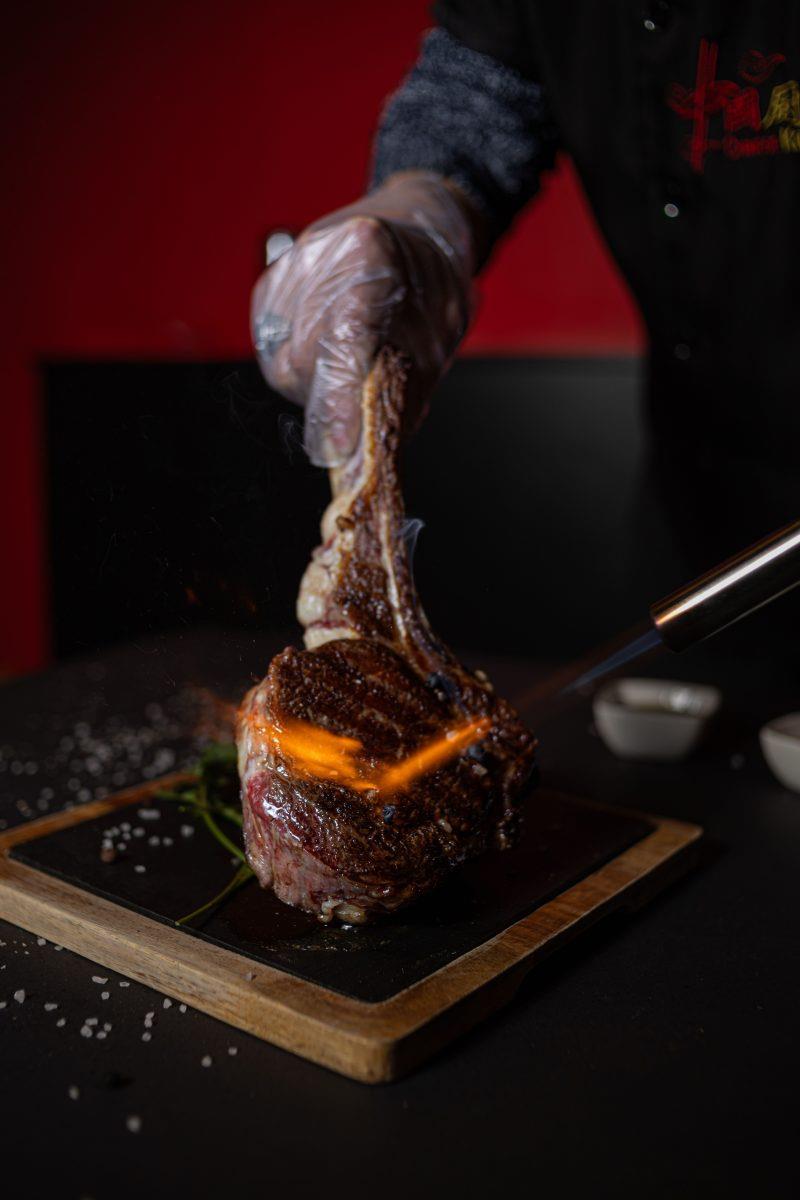
Why You Should Think Twice Before Ordering The Most Expensive Steak On The Menu


When you open a steakhouse menu, the most expensive steak can be tempting. It often comes with an impressive name, a large price tag, and the promise of a premium dining experience. But paying more does not always mean getting a better meal or the most value for your money. Different cuts have different textures, levels of marbling, portion sizes, and preparation methods, all of which affect what ends up on your plate. Before ordering the priciest option, it helps to understand what makes one steak cost more than another and whether those differences actually matter to you.
The Most Expensive Cut May Not Be Your FavoriteSteakhouses often charge more for cuts such as filet mignon, ribeye, and premium dry-aged steaks. However, those cuts offer different eating experiences, and the most expensive one is not necessarily the most enjoyable for every diner. Filet mignon is known for its tenderness and relatively mild flavor, while ribeye typically has more marbling and a richer taste. A New York strip offers a balance of tenderness and beefy flavor that some diners prefer.
The right choice depends on what you enjoy rather than the price listed beside the name. Someone who loves a rich, fatty steak may find a filet less satisfying despite its premium price. Another diner might prefer the tenderness of a filet over a heavily marbled ribeye. Instead of automatically choosing the highest-priced option, consider the cut's characteristics and how they match your preferences.
A Higher Price Does Not Always Mean a Bigger SteakOne reason expensive steaks can surprise diners is that they are not necessarily the largest portions on the menu. A filet mignon may cost more than a larger sirloin because it comes from a smaller, highly valued section of the animal. The restaurant may also charge a premium for the cut's tenderness and demand rather than its weight alone. This means customers can spend significantly more while receiving fewer ounces of beef.
Before ordering, check the listed portion size whenever the menu provides one. Compare the price per ounce instead of looking only at the total cost. A 10-ounce ribeye and an 8-ounce filet may have similar prices, but they offer different amounts of food and different textures. Neither is automatically the better deal, but understanding the portion can help you decide whether the price makes sense.
Menu Descriptions Can Make a Steak Sound More ExclusiveWords such as prime, dry-aged, grass-fed, and wagyu can make a steak sound especially luxurious. These descriptions can represent meaningful differences in how the beef was raised, graded, or processed. However, they do not all mean the same thing, and they do not guarantee that every diner will prefer the result. A premium label can also contribute to a higher menu price.
For example, USDA Prime is a beef quality grade associated with abundant marbling, while dry-aging is a process that develops flavor and changes the texture of beef over time. Wagyu refers to particular Japanese cattle breeds and related beef production, although restaurants may also use the term for American or other domestic crossbred products. If a menu uses a premium label without explaining the origin or grade, ask your server what it means. You may discover that the restaurant's less expensive steak offers the flavor and texture you actually want.
The Preparation Can Matter More Than the PriceEven a high-quality steak can disappoint if it is not prepared to your liking. Cooking temperature, seasoning, resting time, and the restaurant's cooking method all influence the final result. A premium cut ordered at the wrong temperature may not deliver the experience you expected, while a more affordable cut prepared well can be an excellent meal. The kitchen's consistency matters just as much as the name of the steak.
Think about how you normally enjoy beef before placing your order. If you prefer a well-done steak, for example, a lean cut may become particularly dry when cooked for an extended period. A more marbled cut may better suit your preference because its fat can contribute moisture and flavor. If you are unfamiliar with a particular cut, ask the server how the restaurant recommends preparing it and whether it is especially lean or rich.
The Sides and Extras Can Push the Total Much HigherThe price printed beside a steak is not always the amount you will spend on the meal. Some steakhouses include one or two sides, while others charge separately for potatoes, vegetables, salads, and sauces. Premium toppings such as lobster, shrimp, specialty butter, or additional sauces can increase the bill further. A steak that initially seems manageable can become one of the most expensive meals on the table once everything is added.
Check what comes with the entrée before ordering, especially if the menu lists side dishes separately. Ask whether the steak includes a sauce or whether that is an additional charge. If you are trying to stay within a budget, compare the complete meal rather than the steak price alone. A moderately priced cut with included sides may offer a more satisfying overall experience than the most expensive steak with several add-ons.
Ask Your Server What Makes the Premium Steak Worth the PriceServers can often explain details that are not obvious from the menu. They may know which cuts are especially popular, how the kitchen prepares them, whether a steak is dry-aged, and how the portion compares with other options. They can also explain whether a premium selection comes from a particular supplier or has a specific grade. Those details can help you decide whether the price reflects something you genuinely value.
Instead of simply asking which steak is the best, ask what distinguishes the most expensive option from the next one down. You might learn that the premium cut is significantly more tender, has more marbling, or comes from a limited supply. You might also discover that another steak is a customer favorite at a lower price. A few questions can make it easier to choose confidently rather than assuming the most expensive item must be the restaurant's best offering.
The Best Value May Be a Steak You Would Normally OverlookSteakhouses often feature premium cuts prominently, but less expensive options can still deliver plenty of flavor. Sirloin, flat iron, and certain strip steaks can be satisfying choices depending on how they are prepared. Some restaurants also offer smaller portions or steak specials that allow diners to enjoy a quality cut without paying for the largest or most expensive selection. The key is comparing what you receive rather than focusing on the menu's highest number.
A less expensive steak is not automatically a bargain, either. A tough cut or a small portion may leave you disappointed if it does not match your expectations. Look at the cut, portion size, preparation, included sides, and overall price together. If you enjoy the flavor and texture, paying less for a different cut can be a smarter choice than spending extra on a steak simply because it carries a premium label.
A Better Steak Order Starts With Knowing What You WantThe most expensive steak on the menu may be worth ordering for a special occasion, particularly if it offers a cut or preparation you genuinely enjoy. But a higher price does not automatically guarantee a larger portion, better flavor, or more satisfying meal. Understanding the differences between cuts and checking what is included can help you avoid paying extra for features that may not matter to you.
The next time you visit a steakhouse, look beyond the price column. Consider how much beef you are getting, what makes the cut distinctive, and whether the preparation suits your preferences. Ask your server questions before deciding, and compare the full cost of the meal rather than just the entrée. You may find that the steak you enjoy most is not the one with the biggest price tag.
What To Read NextWhat Happened to Outback Steakhouse? 10 Complaints Customers Keep Bringing Up
7 Chain Restaurant Steaks That May Not Be Worth the Money
4 Ways to Get High End Steak for the Price of Ground Beef
Beef Prices Hit Record Highs - How to Keep Steak in Your Cart Without Breaking Your Budget
11 Protein Sources That Save Money Over Steak

Legal Disclaimer:
MENAFN provides the
information “as is” without warranty of any kind. We do not accept
any responsibility or liability for the accuracy, content, images,
videos, licenses, completeness, legality, or reliability of the information
contained in this article. If you have any complaints or copyright
issues related to this article, kindly contact the provider above.


Comments
No comment