


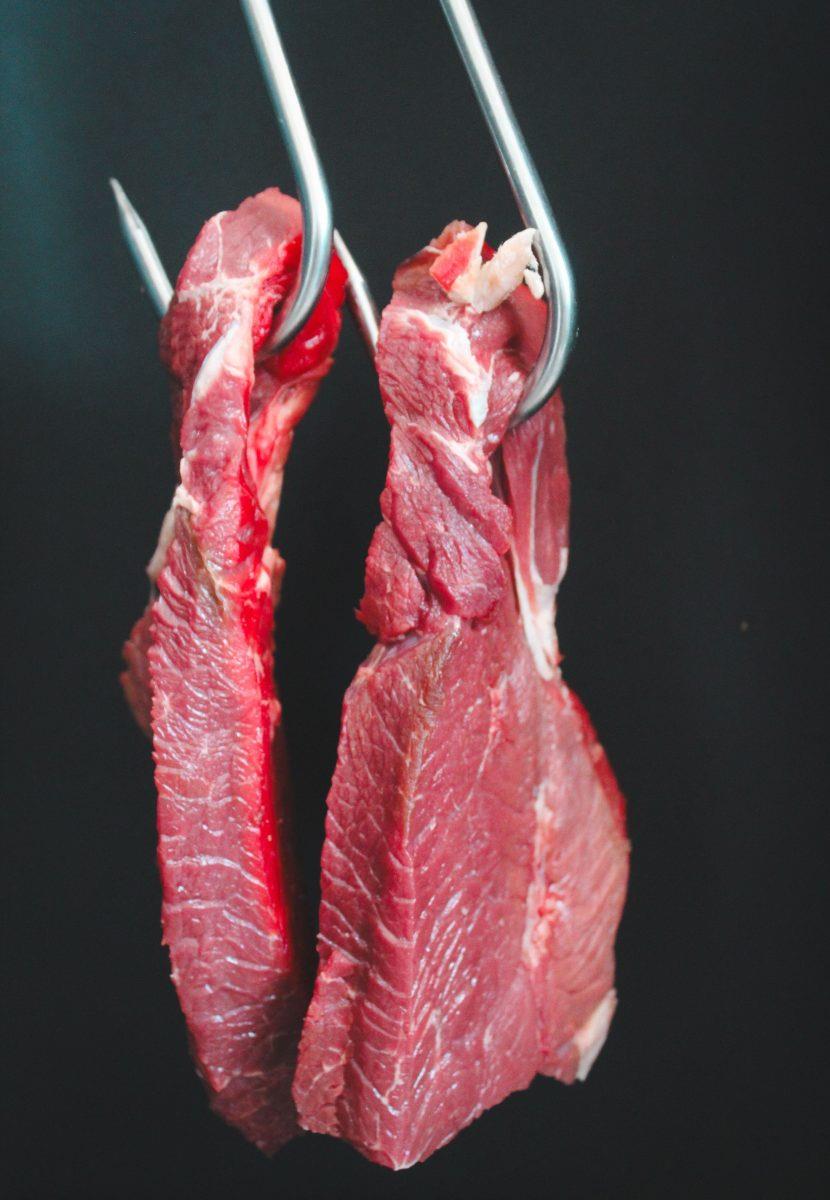
That Meat Package Looks Fine - But These Warning Signs Deserve A Closer Look


Picking up meat at the grocery store often comes down to a glance at the package and its price. If the color looks normal and the sell-by date is still several days away, it may seem like an easy decision. But those details do not tell the entire story. Packaging methods, product labels, storage conditions, and even the way meat is displayed can offer clues shoppers should not overlook.
The goal is not to make grocery shopping more complicated or assume something is wrong with every package. It is to recognize details that could affect quality, freshness, and food safety before spending money. Here are seven things worth checking the next time you shop for chicken, beef, or pork.
The Package Has Been Sitting in a Pool of Meat JuicesA little liquid inside a meat package is normal. Meat naturally releases moisture during storage, and some products contain more visible liquid than others. However, a package with an unusually large amount of fluid may be worth comparing with the others on the shelf. Excessive liquid can affect the product's appearance and texture, although it does not automatically mean the meat is spoiled.
Pay attention to whether the liquid is contained within the package or leaking around the edges. A leaking tray or compromised seal is a reason to choose another package because raw meat juices can spread harmful bacteria. Also consider the condition of the meat itself rather than judging it by the amount of liquid alone. If the package looks damaged or the meat shows other signs of deterioration, leave it behind.
The Meat Is Packed So Tightly You Cannot Inspect ItVacuum-sealed meat is common in grocery stores, and tight packaging is not automatically a problem. Removing air can help preserve meat quality and extend its refrigerated shelf life when the product is handled and stored properly. However, shoppers should still be able to inspect the package for damage, unusual discoloration, and signs of leakage.
Be particularly careful with packages that have cloudy areas, damaged seals, or liquid collecting around the edges. Vacuum-packed beef can also look darker or purplish because less oxygen reaches the surface. That color alone does not indicate spoilage. If you cannot tell whether a package is intact or the product appears questionable, select another option rather than relying on the printed date.
The Label Says“Previously Frozen”Meat labeled previously frozen has been frozen at an earlier point and later thawed for sale. That does not mean it is unsafe or poor quality. Freezing is a common way to preserve meat, and properly handled products can still be suitable purchases. The important detail is knowing that the meat has already gone through a freezing and thawing process.
If you purchase previously frozen meat, plan to use it within the recommended refrigerated storage period. Raw poultry and ground meat generally should be cooked or frozen within one to two days, while whole cuts of beef, pork, and lamb generally have a three-to-five-day refrigerator window. Do not assume you can refreeze every thawed product without considering how it was thawed and handled. If the label or package instructions are unclear, ask the store before purchasing.
The Meat Has a“Natural” or Enhanced Label You Haven't ReadWords such as natural, enhanced, seasoned, and marinated can make meat products sound similar, but they may describe different things. Some packaged poultry and pork products contain added solutions of water, salt, or other ingredients to improve moisture and flavor. These products can be perfectly acceptable, but they are not necessarily the same as an unenhanced cut of meat.
Read the ingredient list and product description before comparing prices. A package that appears less expensive may contain added water or seasoning, which can affect how much actual meat you are purchasing. Added solutions can also affect sodium content, making the label important for shoppers watching their salt intake. Comparing similar products helps prevent misleading price comparisons.
The Meat Is Close to Its Date, but You Have No Plan to Use ItA package with a date approaching quickly may be discounted, making it tempting for budget-conscious shoppers. But a lower price is only useful if you can safely prepare or freeze the meat in time. Buying several discounted packages without a plan can create more pressure than savings, especially if your household does not eat meat frequently.
Check the date, your upcoming meals, and the amount of freezer space available before buying. Remember that date labels do not guarantee safety. A package can become unsafe if it has been stored improperly, even before the printed date arrives. If you purchase meat you will not use within the recommended refrigerator window, freeze it promptly while it is still in good condition.
The Display Is Overcrowded, or the Meat Isn't Properly ChilledThe condition of the refrigerated case matters just as much as the appearance of the package. Meat should be held at 40 degrees Fahrenheit or below, and frozen products should remain frozen. If packages are piled above the display's intended fill line, some may not stay adequately chilled. A product that looks fine can still become unsafe after spending too much time at an improper temperature.
Look for meat stored inside a functioning refrigerated case rather than packages sitting outside the display. Frozen meat should not be soft or partially thawed, and refrigerated products should feel properly chilled when handled. If you suspect a display is not maintaining a safe temperature, notify store employees. Do not rely on color or smell to determine whether improperly chilled meat is safe.
The Package Is a Good Deal Only Because It Includes More Than You NeedLarge family packs and multi-cut meat packages can offer a lower price per pound, but shoppers should look beyond the advertised savings. A package containing several cuts may include pieces your household does not normally use. If you end up throwing away part of the package or paying for more meat than you can store, the lower unit price may not translate into real savings.
Compare the package price with smaller portions and consider whether you can divide and freeze the meat safely after bringing it home. Check whether the cuts have similar cooking times and whether your household will actually use them. Bulk meat can be worthwhile when you have a plan, but buying extra simply because the package looks inexpensive can strain your budget.
Look Beyond the Color and the DateChoosing meat safely requires more than finding the reddest beef or the package with the latest date. Look at the packaging, storage conditions, ingredient information, and how much time you have to use the product. A normal-looking package is not automatically safe, just as a darker color or a previously frozen label does not automatically mean the meat is bad.
Once you get home, refrigerate meat promptly at 40 degrees Fahrenheit or below. Keep raw packages on the lowest refrigerator shelf to prevent juices from reaching other foods, and freeze anything you cannot use within the recommended storage period. A careful inspection at the grocery store, followed by proper handling at home, can help protect both your household and your grocery budget.
What To Read NextThe Freezer Mistake That Can Ruin Expensive Cuts of Meat
Why Does Deli Meat Get Slimy Even Before the Expiration Date?
Bacon, Hot Dogs and Deli Meat Keep Showing Up in Research - Here's What Scientists Have Found
Before You Stock Up on Meat for Labor Day, Check These Prices First
5 Meat Cuts Butchers Say Will Spike in Price by Early June

Legal Disclaimer:
MENAFN provides the
information “as is” without warranty of any kind. We do not accept
any responsibility or liability for the accuracy, content, images,
videos, licenses, completeness, legality, or reliability of the information
contained in this article. If you have any complaints or copyright
issues related to this article, kindly contact the provider above.


Comments
No comment