


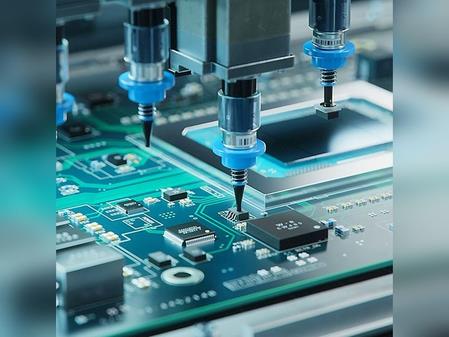
Govt Approves 12 New Electronics Manufacturing Projects Worth Over Rs 7,500 Crore Under ECMS


The latest approvals include projects related not only to electronic components but also to materials and capital goods, broadening the scope of the scheme across key segments of the electronics value chain.
The fresh round of clearances adds momentum to the government's efforts to build a robust domestic ecosystem for electronics manufacturing and reduce reliance on imported components.
Policymakers are increasingly focusing on strengthening upstream segments, including raw materials and manufacturing equipment, alongside component production, to deepen local value addition.
The ECMS forms part of India's wider push to establish itself as a global electronics manufacturing hub by encouraging investments across the supply chain and improving self-reliance in critical inputs.
Separately, the government on Friday launched the Semicon 2.0 web application portal under the Semicon India Programme.
Meanwhile, earlier this year, an official factsheet said India is targeting a $500 billion domestic electronics manufacturing ecosystem and $150 billion in electronics exports by 2030.
India's electronics production rose from Rs 1.9 lakh crore in 2014–15 to Rs 13.11 lakh crore in 2025–26 and exports climbed from about Rs 38,000 crore to Rs 4.24 lakh crore over the same period, factsheet said on September 17.
"This sustained growth has established a strong foundation for India's electronics manufacturing ambitions. The next priority is to deepen this ecosystem through domestic component manufacturing, higher value addition and stronger supply-chain resilience," the statement noted.
Electronics have become integral to modern economies and everyday life. They power communication, healthcare, transport, finance, manufacturing and digital infrastructure.
From smartphones and automobiles to telecom networks and industrial systems, electronics drive technological progress and economic competitiveness.
A strong domestic electronics ecosystem is therefore critical for technological resilience, economic security and national self-reliance.

Legal Disclaimer:
MENAFN provides the
information “as is” without warranty of any kind. We do not accept
any responsibility or liability for the accuracy, content, images,
videos, licenses, completeness, legality, or reliability of the information
contained in this article. If you have any complaints or copyright
issues related to this article, kindly contact the provider above.


Comments
No comment