


UAE Residents Trust Government Flood Response, But Home Preparedness Lags, Study Finds


- By: Azza Al Ali
Despite strong confidence in government institutions to manage flooding, many UAE residents remain unprepared for emergencies at home, according to a new study by researchers at the American University of Sharjah (AUS).
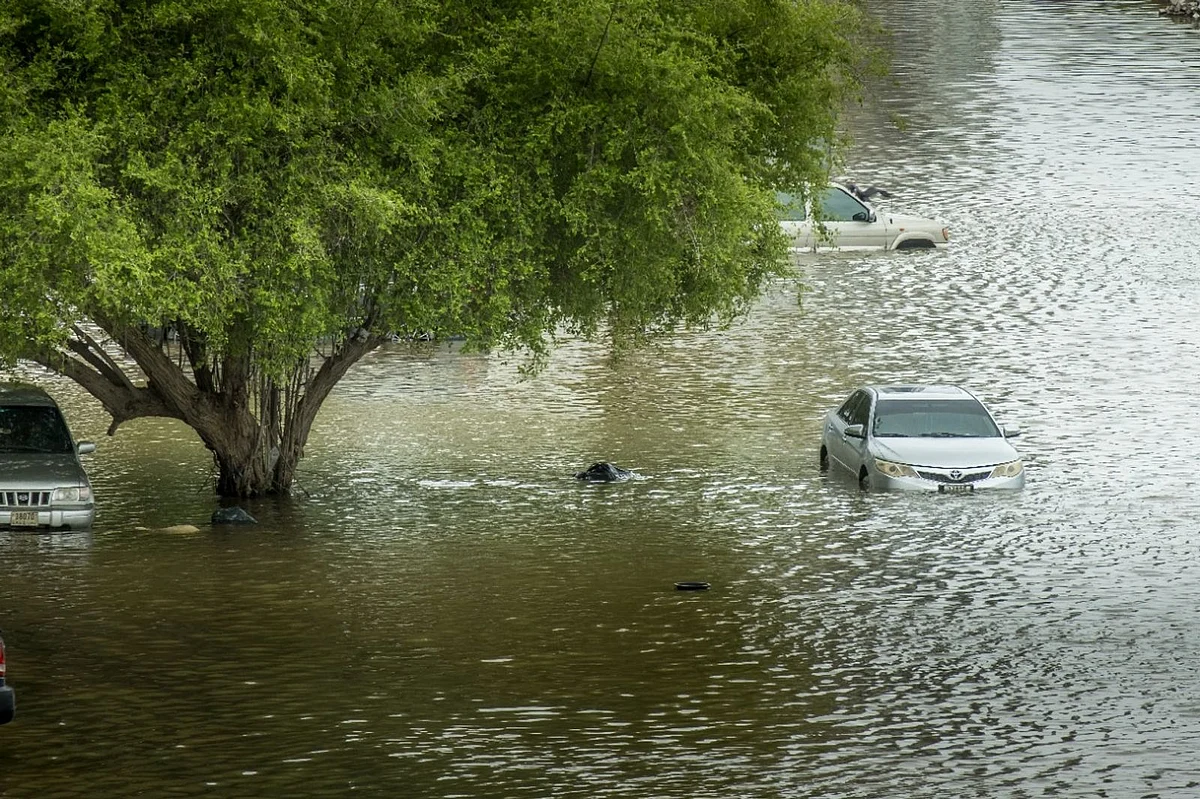
The study, which surveyed 900 residents in Dubai and Sharjah following the record-breaking rainfall and flooding in April 202, found that 97 per cent expressed some confidence in local government institutions. However, fewer than half reported having several basic emergency supplies, including drinking water, alternative lighting and first-aid kits.
Recommended For YouOnly 40 per cent of respondents said they had stored enough drinking water to last at least four days, while 49 per cent had an alternative source of light and 48 per cent had a first-aid kit or additional medical supplies.
Stay up to date with the latest news. Follow KT on WhatsApp Channels.
Researchers identified what they described as a "trust–preparedness paradox", finding that higher confidence in the government's ability to manage floods was associated with lower levels of household preparedness.
However, the researchers stressed that the findings establish a relationship between the two factors and do not prove that confidence in government institutions directly causes residents to take fewer precautions.
The research, which received the Sharjah Government Communication Award for Best Research in Communication Sciences, examined how residents' previous experiences with flooding, perceptions of future risks and trust in public institutions influenced their reported preparedness.
Dr Himanshu Grover, Associate Professor and Programme Coordinator of the Master of Urban Planning programme at AUS, said the research was prompted by questions raised following the April 2024 floods.
"Our starting point was a question that became especially important after the April 2024 floods: can strong confidence in public response coexist with gaps in household preparedness?" he said.
"The findings suggest that trust remains a vital asset, but it should be matched with practical guidance so residents know how they can protect themselves."
The findings come as the World Meteorological Organization's October 2026 outlook warned of shifting rainfall patterns and increased flood risks in some regions, highlighting the importance of preparedness as weather patterns change.
Why residents may remain unpreparedThe study examined whether residents who had previously experienced flooding or disruptions to essential services were more likely to prepare for future emergencies.
It also explored how perceptions of future flood risks and confidence in government response were associated with the precautions households reported taking.
Dr Neeharika Kushwaha, postdoctoral researcher at AUS' College of Architecture, Art and Design, said examining these factors together helped researchers better understand the relationship between public trust and individual preparedness.
"Looking at these factors together allowed us to move beyond asking whether residents trust the government," she said.
"We could also examine how that confidence relates to the actions they take at home and how past experience and views of future risk fit into that relationship."
Unlike much of the existing research, which has focused on Western democracies or countries with lower institutional capacity, the AUS study examined household preparedness in the UAE, where confidence in government institutions was high among respondents.
What households should do before flooding
The researchers said the findings highlight the need for clearer public communication about the responsibilities of both government agencies and residents during emergencies.
They recommended that authorities explain what emergency services and public infrastructure can provide during severe weather, while also encouraging households to take practical precautions before flooding occurs.
These include maintaining emergency drinking water supplies, alternative lighting and basic medical supplies.
Dr Varkki Pallathucheril, Professor of Architecture at AUS, said flood resilience required a combination of government planning, emergency response and individual action.
"Flood resilience depends on more than infrastructure and emergency response," he said.
"Planning and communication need to connect what public agencies can provide with specific steps households can take before an emergency."
The researchers also recommended working with neighbourhood organisations, community representatives and service providers to make emergency preparedness part of everyday community engagement.
They said public communication should clearly explain the operational limits of infrastructure and emergency services, while reinforcing the steps residents can take to protect themselves.
Nihla Shirin, an AUS Master of Urban Planning alumna and urban planner at Abu Dhabi's Department of Municipalities and Transport, said helping residents translate emergency guidance into action was essential.
"Preparedness becomes meaningful when residents can turn information into practical action at home," she said.
"The next phase of our work will bring expert perspectives together with information on service restoration and urban vulnerability, helping connect research findings with strategies communities can use."
The research team is now conducting expert workshops to examine gaps between institutional capacity, public communication and household preparedness.
Future research will combine survey findings with infrastructure performance data, service-restoration timelines and urban vulnerability assessments to identify ways of strengthening flood resilience across communities.
ALSO READ- Nearly 99% of Dubai residents feel safe walking at night, survey finds Watch: UAE resident collects hail as wadis overflow amid heavy rains

Legal Disclaimer:
MENAFN provides the
information “as is” without warranty of any kind. We do not accept
any responsibility or liability for the accuracy, content, images,
videos, licenses, completeness, legality, or reliability of the information
contained in this article. If you have any complaints or copyright
issues related to this article, kindly contact the provider above.


Comments
No comment