


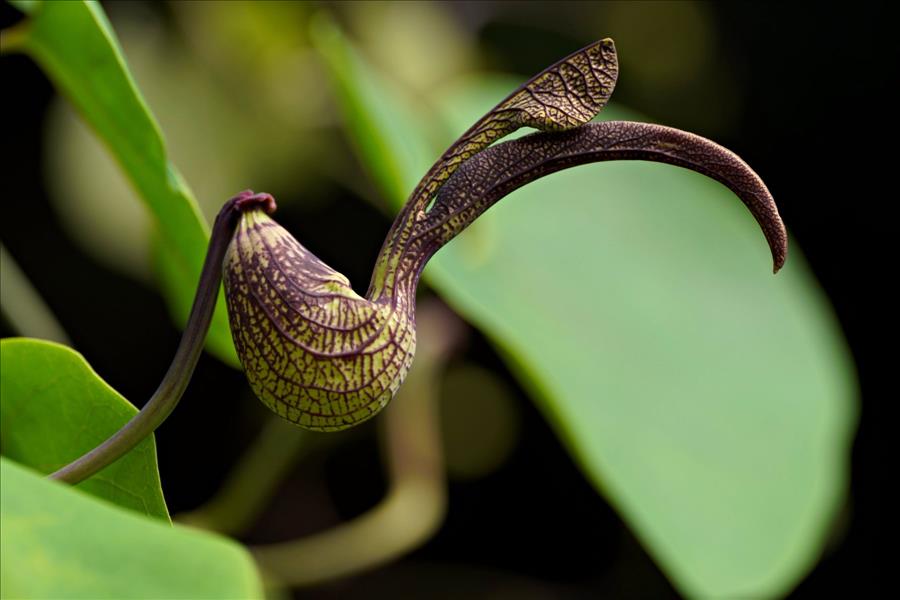
This Beautiful Flower Can Trap Insects - But It Isn't A Venus Flytrap


Imagine walking through a garden and spotting an enormous, velvety flower with deep burgundy coloring and delicate white patterns. It looks almost tropical, with an unusual shape that makes you want to lean closer for a better look.
What you probably don't realize is that this beautiful flower has a secret.
Inside its unusual structure is a natural trap designed to lure unsuspecting insects, hold them temporarily, and eventually release them covered in pollen.
The plant is called Dutchman's pipe, and certain species have developed one of the most fascinating pollination strategies in the plant kingdom.
Unlike the famous Venus flytrap, which captures insects for nutrients, Dutchman's pipe uses its elaborate flowers to accomplish something entirely different: reproduction.
Understanding how Dutchman's pipe flowers work reveals why some gardeners are fascinated by these unusual plants and why choosing the right species matters.
Meet the Flower That Looks Almost Too Strange to Be RealOne of the most spectacular members of this plant family is Aristolochia gigantea, commonly called Brazilian Dutchman's pipe or giant pelican flower. According to North Carolina State University's Extension Gardener Plant Toolbox, its dramatic flowers can grow approximately 12 to 24 inches long and 6 to 12 inches wide. The blossoms feature rich burgundy coloring, pale veining, and an unusual pouch-like structure that resembles something from a tropical rainforest. Despite their impressive appearance, these flowers aren't constructed like ordinary roses or daisies because their colorful display comes from a modified floral structure called the calyx. Their extraordinary appearance makes them conversation pieces for gardeners interested in unusual botanical specimens, although their beauty comes with some important cautions.
How Dutchman's Pipe Flowers Actually Trap InsectsThe secret behind Dutchman's pipe flowers lies inside their curved, tubular structures, where small insects can become temporarily imprisoned. Researchers and horticulturists at the University of California Botanical Garden at Berkeley explain that certain Aristolochia species have downward-pointing hairs lining their floral tubes. These hairs allow insects to enter but prevent them from easily climbing back out while the flower's reproductive structures develop. In species such as Aristolochia chilensis, trapped pollinators eventually receive pollen before changes in the flower allow them to escape. Rather than snapping shut like a Venus flytrap, the flower uses its shape, internal hairs, and carefully timed development to control when its visitors can leave.
Why the Flower Wants Insects to Stay InsideIt might seem cruel for a beautiful flower to imprison an insect, but the temporary confinement serves an important reproductive purpose. Many Dutchman's pipe flowers attract flies through odors that resemble decaying organic material, creating the illusion of a suitable feeding or breeding location. According to the University of Florida's entomology research, Aristolochia flowers commonly begin with receptive female reproductive structures before their pollen-producing male structures mature. This timing helps insects deliver pollen from another flower before eventually collecting fresh pollen to carry elsewhere. The strategy improves the chances of successful pollination without requiring the plant to consume the insects it attracts.
The Surprising Difference Between This Plant and a Venus FlytrapAlthough both plants capture insects, their reasons for doing so couldn't be more different. The Venus flytrap is a carnivorous plant that closes specialized leaf traps around prey and digests insects to obtain nutrients. Dutchman's pipe, on the other hand, is not carnivorous and doesn't intentionally capture insects as a food source. Its floral traps function primarily as pollination chambers, although some trapped insects may die before escaping. That distinction makes Dutchman's pipe flowers an example of specialized pollination rather than insect-eating behavior.
Can You Actually Grow Dutchman's Pipe at Home?Gardeners interested in Dutchman's pipe flowers should know that growing conditions vary considerably between species. The tropical Brazilian Dutchman's pipe prefers warm conditions, well-drained soil, and a sturdy trellis or other structure to support its climbing growth. This species can grow approximately 15 to 20 feet tall and may be cultivated in greenhouses or conservatories where outdoor temperatures are unsuitable. Gardeners in colder climates may have better results with regionally native pipevine species adapted to local weather and growing conditions. Before purchasing a plant, verify its scientific name, mature size, cold tolerance, and potential ecological impacts rather than relying solely on photographs of its unusual flowers.
A Beautiful Plant That Can Also Be DangerousDespite their fascinating appearance, some Dutchman's pipe flowers belong to plants that pose serious health and environmental risks. Species in the Aristolochia genus contain toxic compounds called aristolochic acids, which can cause severe kidney damage if ingested. Brazilian Dutchman's pipe is highly poisonous to humans and can be dangerous around children. The extension service also cautions that this tropical species can harm pipevine swallowtail caterpillars that attempt to feed on its leaves. Gardeners should never consume these plants or use them in homemade herbal remedies, and households with curious children or pets should carefully consider whether cultivation is appropriate.
Why Native Pipevines May Be a Better Garden ChoiceIf the insect-trapping flowers fascinate you, consider researching native pipevines before purchasing an exotic tropical variety. Aristolochia macrophylla, commonly called Dutchman's pipe, is a native eastern North American vine that supports pipevine swallowtail butterflies. Its large, heart-shaped leaves provide attractive greenery, while its unusual flowers attract flies involved in pollination. Another native species, Aristolochia tomentosa, can grow 20 to 30 feet long and serves as an important caterpillar host plant in parts of the central and southern United States. Choosing a species native to your region can support local wildlife while avoiding some of the ecological problems associated with introducing nonnative plants.
A Reminder That Beautiful Flowers Can Have Hidden PurposesThe next time you admire an unusual flower, remember that its appearance may serve a much more complicated purpose than simply attracting attention. Dutchman's pipe flowers demonstrate how plants can use scent, shape, and specialized structures to manipulate insect behavior without actually eating their visitors. Their unusual pollination strategy makes them fascinating subjects for gardeners, photographers, and anyone interested in the surprising adaptations found in nature. However, their toxicity and the potential harm caused by certain nonnative species make careful plant selection especially important. Sometimes the most extraordinary thing about a flower isn't how beautiful it looks, but the remarkable biological machinery hidden inside.
Would you grow a flower that temporarily traps insects, or would its unusual behavior make you think twice? Have you ever encountered Dutchman's pipe or another strange-looking flower in your garden? Share your thoughts in the comments!

Legal Disclaimer:
MENAFN provides the
information “as is” without warranty of any kind. We do not accept
any responsibility or liability for the accuracy, content, images,
videos, licenses, completeness, legality, or reliability of the information
contained in this article. If you have any complaints or copyright
issues related to this article, kindly contact the provider above.


Comments
No comment