


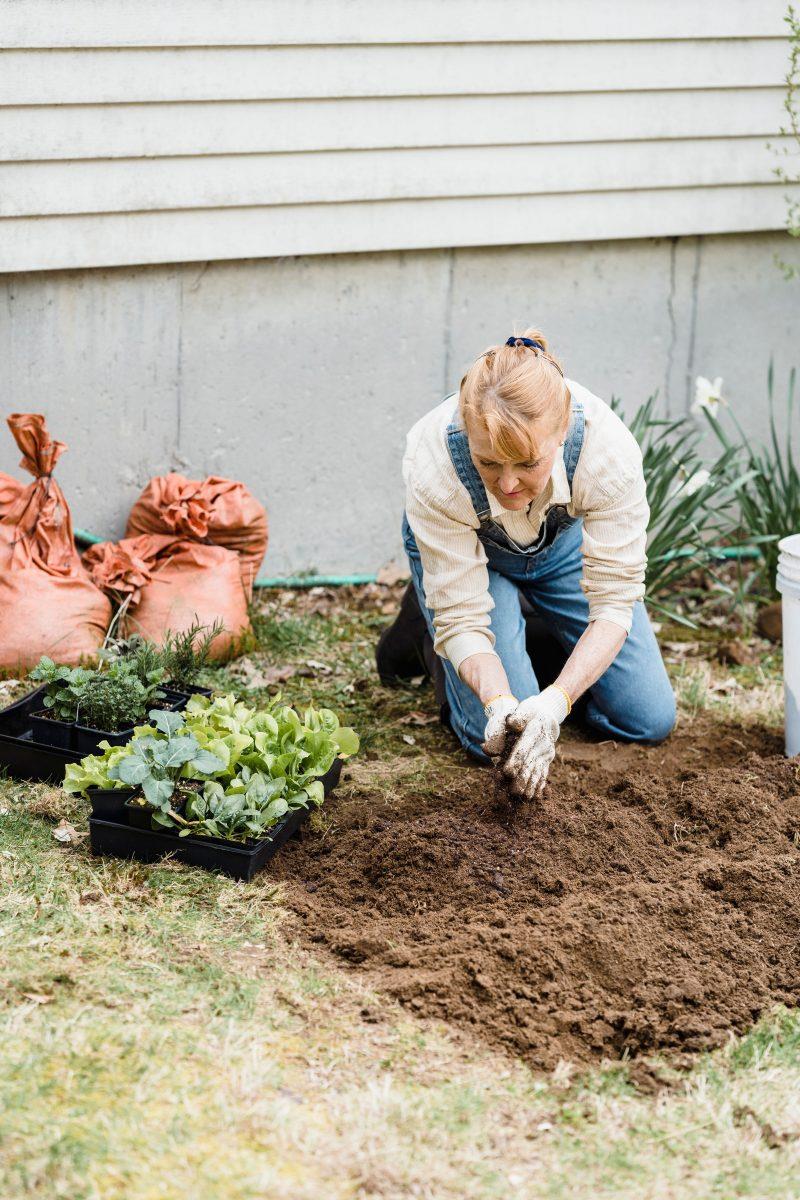
Your HOA Wants Your Garden Gone - 5 Things To Check Before You Start Digging


You've invested hundreds of dollars, countless weekends, and plenty of hard work into creating something you're proud of. Then a letter arrives from your homeowners association demanding that you remove everything within 30 days. The notice claims your garden violates neighborhood landscaping standards and warns that fines could follow if you don't comply.
Before you grab a shovel and start tearing out your plants, there's something important to understand: An HOA's demand doesn't automatically mean you're legally required to remove your garden. Homeowners associations have considerable authority to enforce community rules, but that authority is limited by governing documents, state laws, and applicable enforcement procedures.
If you're facing an HOA garden dispute, these five things could determine whether your plants stay or go.
1. Check What Your HOA Rules Actually SayThe first step in an HOA garden dispute is reviewing your community's Covenants, Conditions, and Restrictions, commonly called CC&Rs. These documents establish many of the landscaping requirements homeowners agree to follow when purchasing property within an association. Some communities restrict vegetable gardens in front yards, require approval for major landscaping changes, or prohibit certain structures such as raised beds and trellises. However, a rule requiring landscaping to remain attractive or properly maintained doesn't necessarily give an association unlimited authority to demand the removal of every unconventional garden. Request the exact provision your HOA believes you've violated and compare its language with your garden's actual design before agreeing to expensive changes.
2. Find Out Whether State Law Protects Your GardenSome states have enacted laws limiting how homeowners associations can regulate environmentally friendly landscaping, making local legislation particularly important. For example, Maryland's Real Property Section 2-125 prohibits unreasonable restrictions on certain low-impact landscaping practices, including pollinator gardens, rain gardens, and water-conserving landscapes. The law still permits reasonable design and aesthetic guidelines, meaning homeowners must maintain their gardens and comply with applicable requirements. Florida also has specific protections for certain items, including vegetable gardens, when they aren't visible from designated neighboring or public-facing areas, subject to statutory conditions. Because protections differ substantially by state and garden type, research your state's current HOA laws before assuming the association has the final word.
3. Determine Whether the HOA Followed Proper ProceduresEven when a landscaping rule is enforceable, an HOA generally must follow applicable notice and enforcement requirements before imposing certain penalties. These procedures can include written violation notices, opportunities to correct problems, hearings, or formal appeal processes, depending on state law and association documents. The Texas State Law Library explains that Texas property owners' associations must adopt enforcement policies for fines and make those policies available to homeowners. For example, receiving a letter demanding immediate removal doesn't necessarily establish that the association has completed every step required before assessing a fine. Ask for the enforcement policy, the deadline for responding, and instructions for requesting a hearing or appeal before taking irreversible action.
4. Check Whether Your Garden Was Previously ApprovedIf your HOA approved your landscaping plans before installation, that documentation could become important evidence in an HOA garden dispute. Many associations require homeowners to submit drawings, plant lists, or landscaping proposals to an architectural review committee before making significant changes. Imagine receiving written approval for a $3,000 native plant garden, only to have a newly elected board demand its removal two years later. Although previous approval doesn't guarantee permanent protection against every future rule or safety requirement, it may strengthen your position when challenging inconsistent enforcement. Gather approval letters, emails, dated photographs, receipts, and relevant meeting records so you can demonstrate what was authorized and when the work occurred.
5. Calculate the Financial Consequences Before Removing AnythingAn HOA garden dispute can become surprisingly expensive, especially when homeowners react immediately without considering their options. Removing mature shrubs, established perennials, raised garden beds, and irrigation equipment may require professional labor and replacement landscaping that costs hundreds or thousands of dollars. For example, a homeowner who spends $2,500 removing an established garden and another $1,500 installing approved landscaping faces a $4,000 expense before accounting for lost plants or gardening supplies. However, ignoring a valid HOA violation can also create financial risks, including fines, collection expenses, and potentially liens where permitted by applicable law. Compare the cost of compliance with the potential consequences of challenging the demand, and consider consulting a qualified local attorney if substantial money or property rights are involved.
Can an HOA Really Ban Vegetable Gardens?Vegetable gardens are a particularly common source of confusion because homeowners sometimes assume growing food is automatically protected by law. Florida's vegetable garden statute, for example, restricts regulation by counties, municipalities, and other political subdivisions but doesn't itself prohibit private HOAs from enforcing landscaping restrictions. Separate Florida HOA legislation provides protections for certain installations that aren't visible from specified locations, illustrating why homeowners must examine the exact law rather than relying on general gardening advice. In other states, associations may have considerable discretion over vegetable garden placement, fencing, irrigation systems, and the appearance of front-yard landscaping. Before planting a large food garden, review your association's restrictions and obtain written approval when required to avoid expensive disagreements later.
How to Challenge an HOA Garden Removal NoticeIf you believe your HOA's demand is unreasonable or inconsistent with governing documents, start by responding professionally in writing rather than ignoring the notice. Explain your understanding of the rules, identify any applicable legal protections, and request clarification about the specific changes the association wants. You might also propose a compromise, such as adding decorative edging, relocating raised beds, trimming overgrown plants, or replacing a disputed species with an approved alternative. University of Maryland Extension offers examples of attractive native landscaping designs that demonstrate how environmentally beneficial gardens can also maintain a neat residential appearance. If informal discussions fail, review your association's dispute-resolution procedures and consider mediation or legal advice before allowing the disagreement to escalate.
Your Garden May Be Worth Fighting For - But Know the Rules FirstAn HOA garden dispute doesn't always have to end with homeowners losing the plants they've spent years cultivating. Sometimes the disagreement involves a misunderstanding of community rules, an outdated landscaping standard, or an association overlooking applicable state protections. Other situations involve legitimate restrictions that homeowners agreed to follow, making negotiation more practical than a prolonged legal battle. The smartest approach is to document your garden, review governing documents, understand state law, and explore available appeal procedures before spending money on removal. Your garden represents an investment of time, money, and personal effort, and it's worth understanding your rights before giving it up.
Has your HOA ever demanded that you remove plants, change your landscaping, or stop growing vegetables? Do you think homeowners should have more freedom over what they grow on their own property? Share your experience in the comments!

Legal Disclaimer:
MENAFN provides the
information “as is” without warranty of any kind. We do not accept
any responsibility or liability for the accuracy, content, images,
videos, licenses, completeness, legality, or reliability of the information
contained in this article. If you have any complaints or copyright
issues related to this article, kindly contact the provider above.


Comments
No comment