


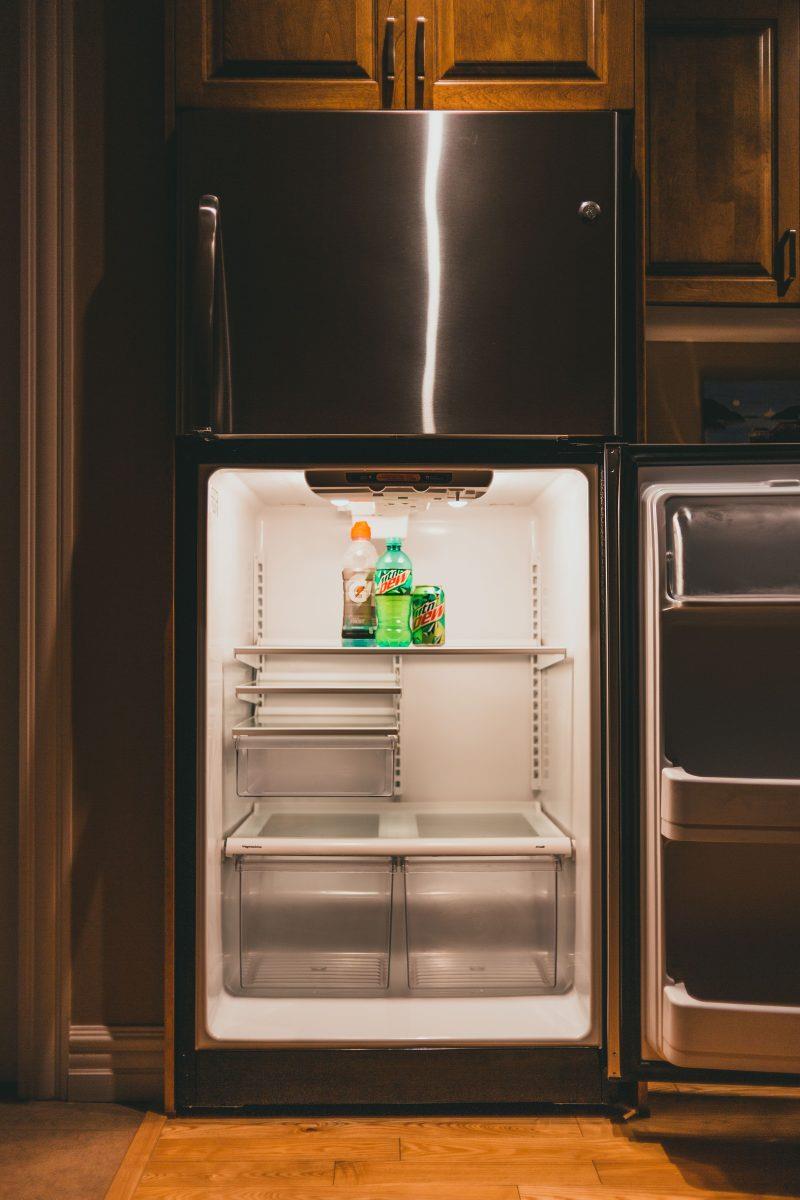
Your Refrigerator's Crisper Drawers Have A Purpose - Are You Using Them Correctly?


Those drawers at the bottom of your refrigerator may seem like convenient places to toss fruits and vegetables, but they do more than keep produce organized. Crisper drawers create a storage environment that can help certain foods stay fresh longer. Many refrigerators have humidity controls that adjust airflow, changing how much moisture stays inside the drawer. Using those settings correctly can help keep leafy greens from wilting and some fruits from spoiling too quickly.
The problem is that the controls are easy to overlook, and the labels can be confusing. A drawer marked“fruit” or“vegetable” may offer a clue, but not every refrigerator uses the same setup. Knowing what high and low humidity actually mean-and which foods benefit from each-can help you get more out of the space you already have. It may even help you waste less produce between grocery trips.
Crisper Drawers Help Control MoistureCrisper drawers create a different humidity level than the rest of the refrigerator. Produce naturally releases moisture, and the drawer's vent helps control how much of that moisture stays around the food. When the vent is closed or set to high humidity, less air moves through the drawer, allowing moisture to remain inside. When the vent is open or set to low humidity, more air circulates, and moisture can escape.
That difference matters because produce does not all respond to moisture in the same way. Leafy vegetables can lose water and become limp, while some fruits release ethylene gas as they ripen. A crisper drawer cannot stop produce from aging, but the right setting can help slow certain changes. Think of the drawers as separate environments rather than two identical bins.
Use the High-Humidity Drawer for Produce That WiltsThe high-humidity drawer is generally best for vegetables that lose moisture easily. Leafy greens such as lettuce, spinach, kale, and Swiss chard are common examples. Broccoli, carrots, cucumbers, celery, and many fresh herbs can also benefit from a more humid environment. Keeping the vent closed helps reduce moisture loss, which can help these foods stay crisp instead of drying out.
This drawer is also useful for produce that is sensitive to ethylene, a natural gas released by some fruits as they ripen. Ethylene-sensitive vegetables can deteriorate faster when stored close to high-producing fruits. Keeping those items in a high-humidity drawer separate from ethylene-producing produce can help protect freshness. However, avoid packing the drawer so tightly that food is crushed or airflow is blocked elsewhere in the refrigerator.
Use the Low-Humidity Drawer for Many Fruits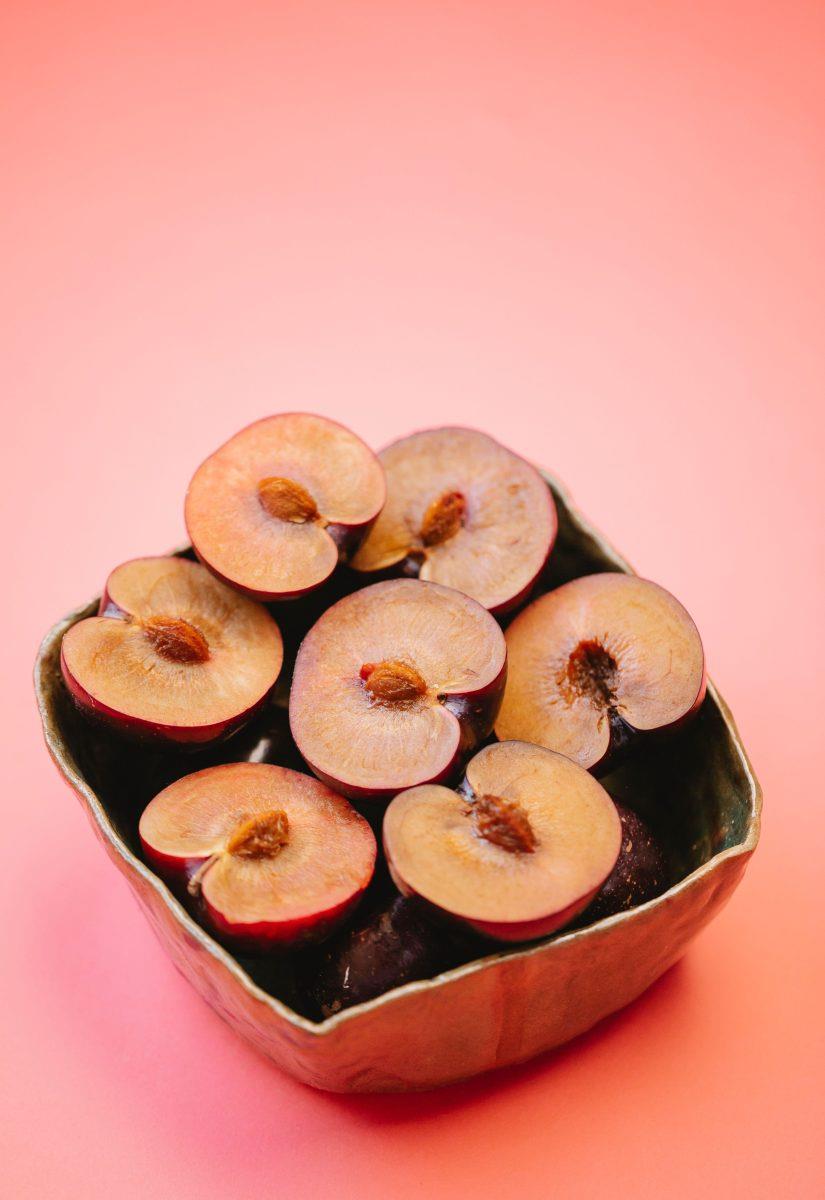
The low-humidity drawer allows more air to circulate, making it a good option for many fruits that release ethylene as they ripen. Apples, pears, peaches, plums, and ripe avocados are examples of produce commonly stored in this setting. Some fruits, including melons, may also do well in a low-humidity drawer once they are cut or ripe and need refrigeration. The extra airflow helps keep moisture from building up excessively around the produce.
Mushrooms and some other vegetables also prefer a less humid environment, so the general rule is not simply“fruit goes here, vegetables go there.” The type of produce and its storage needs matter more than the label. If your refrigerator has two drawers with adjustable vents, setting one to high humidity and the other to low humidity gives you flexibility. Check your appliance manual if the controls are labeled differently or operate automatically.
Keep Ethylene-Producing Fruits Away From Sensitive ProduceEthylene is a natural plant hormone that helps certain fruits ripen. Apples, pears, and some stone fruits produce it, and nearby produce that is sensitive to the gas may ripen or deteriorate faster. This is one reason separating fruits from delicate vegetables can help extend freshness. The low-humidity drawer is often useful for ethylene-producing items because its vent allows some of the gas to escape.
Not every fruit produces the same amount of ethylene, and not every vegetable reacts equally to it. Still, keeping apples and pears away from leafy greens, broccoli, and other sensitive vegetables is a practical habit. If you only have one crisper drawer, use produce bags or separate containers when appropriate, and keep the most sensitive items away from high-ethylene fruits. The goal is to reduce unnecessary exposure, not to create a perfect system for every item.
Avoid These Common Crisper Drawer MistakesOne common mistake is treating the drawers as overflow storage for anything that needs refrigeration. Crisper drawers are intended primarily for fresh produce, not raw meat, seafood, or leftovers. Those foods should be stored in appropriate areas of the refrigerator, with raw meat kept securely contained to prevent drips from contaminating other foods. Another mistake is overfilling the drawers, which can crush delicate produce and make it harder to see what needs to be used first.
It is also easy to forget that moisture can become a problem when produce is stored wet. If you wash fruits and vegetables before storing them, dry them well unless they are being stored in a method that calls for moisture. Remove spoiled pieces promptly, since one deteriorating item can affect the food around it. Clean the drawers regularly and check the refrigerator's temperature, too; crisper settings cannot make up for a refrigerator that is too warm.
What If Your Refrigerator Has No Humidity Controls?Not every refrigerator has a slider or dial on its crisper drawers. Some models have fixed humidity levels, while others use automatic controls. If there are no settings, check the labels or owner's manual to see whether one drawer is designed for fruit and another for vegetables. If the drawers are identical, you can still separate produce by its storage needs and use containers or bags to keep items organized.
You do not need a complicated system to make the drawers useful. Keep moisture-sensitive greens together, place many ripening fruits in a separate area, and avoid cramming everything into the same bin. Store produce that needs refrigeration in the crisper, while keeping items that do better at room temperature-such as whole bananas, potatoes, and dry onions-outside it. A little organization can make it easier to find what you have and use it before it spoils.
A Simple Crisper Drawer Routine Can Help Reduce WasteThe best way to use crisper drawers is to match the humidity setting to the produce you are storing. High humidity generally works well for leafy greens and vegetables prone to wilting, while low humidity is often better for fruits that release ethylene and some produce that prefers drier conditions. If your refrigerator has two adjustable drawers, dedicate one to each setting and separate produce that may affect its neighbors. The exact placement can vary by refrigerator model, so use the appliance's labels or manual as a guide.
Once a week, take a quick look inside the drawers before shopping again. Move older produce toward the front, remove anything spoiled, and plan meals around what needs to be used first. These drawers are not just extra storage space; they are one way to help groceries last longer. Using them with a little intention can make your refrigerator more organized and help reduce food waste.
What To Read Next8 Foods You Should Stop Storing in Your Refrigerator Door
7 Foods You're Probably Storing in the Wrong Part of Your Refrigerator
Check Your Pantry: These 10 Foods May Belong in the Refrigerator
How Long Can Leftovers Really Stay in the Refrigerator Before They Need to Go?
Never Leave These 5 Food Items In Your Refrigerator More Than A Week

Legal Disclaimer:
MENAFN provides the
information “as is” without warranty of any kind. We do not accept
any responsibility or liability for the accuracy, content, images,
videos, licenses, completeness, legality, or reliability of the information
contained in this article. If you have any complaints or copyright
issues related to this article, kindly contact the provider above.


Comments
No comment