


Speaking A Thousand Pictures: How Genai Is Changing The Business Of Art


Benjamin called this quality the artwork's“aura”. That aura began to wither, he argued, as photography and film made it possible to reproduce and circulate images on an unprecedented scale.
Nearly a century later, generative artificial intelligence has brought the argument into sharper focus. Technology no longer just reproduces an image that already exists, but can create new ones in seconds, drawing on patterns learned from vast quantities of existing work. The result may be visually convincing, but the person behind it, the process that produced it and the origins of its constituent ideas can be difficult to establish.
For artists, that uncertainty is beginning to change what it means to make a work, sell it and establish that it is their own.
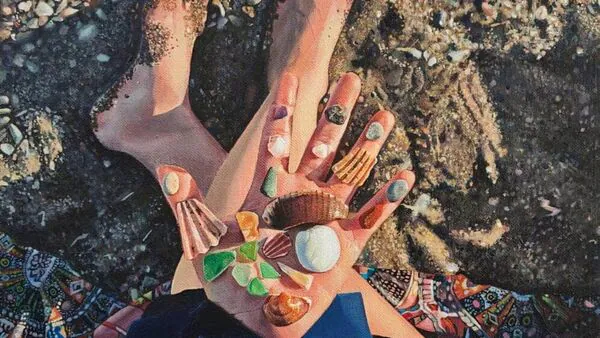
“I've had people actually comment that my paintings are AI generated,” says Mumbai-based realism artist Shambhavi Upadhyaya, describing the scrutiny her work faces on social media. Even in person, she has noticed people zooming in on photographs of her paintings, looking for the texture of the canvas or the grain of the wood, almost as if searching for proof that a human hand was involved.
The scrutiny has changed the way Upadhyaya works, too. Documenting her process has become an essential part of painting. She photographs and films her work at different stages, taking close-ups and saving daily progress shots in a separate folder for every commissioned painting.
After each studio session, which can last three to seven hours, the artist captures the latest state of the canvas.“I realised that this can come in handy if you want to provide evidence to someone that this is all authentic,” says Upadhyaya.
It is a small but telling shift. As artificial intelligence complicates how art is made, sold and valued, artists are left to find their place in a market being reshaped by the technology.

Legal Disclaimer:
MENAFN provides the
information “as is” without warranty of any kind. We do not accept
any responsibility or liability for the accuracy, content, images,
videos, licenses, completeness, legality, or reliability of the information
contained in this article. If you have any complaints or copyright
issues related to this article, kindly contact the provider above.


Comments
No comment