


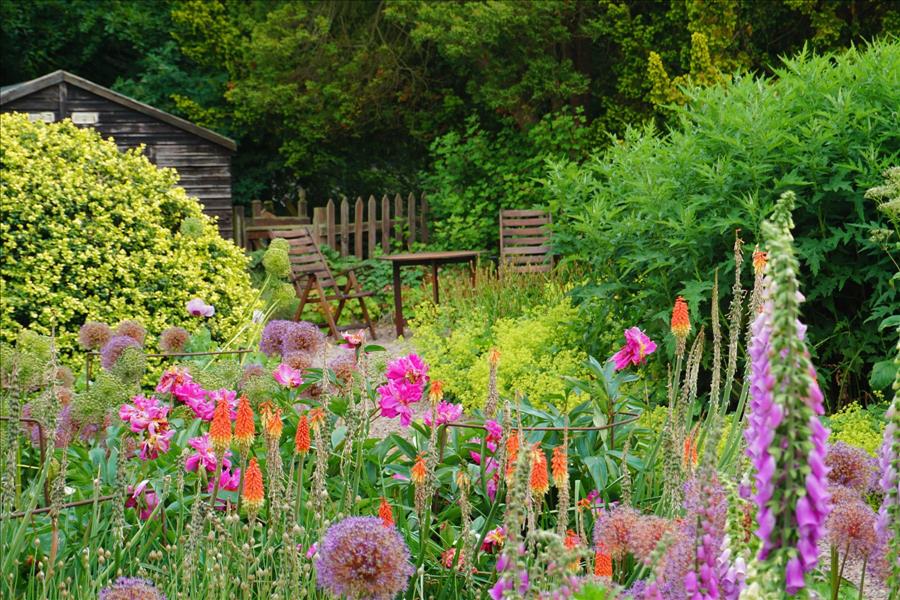
7 Gardening Rules You Can Break Without Ruining Your Plants


If you've ever felt guilty about skipping a day of watering, forgetting to fertilize, or leaving your garden looking a little messy, here's some good news: You might actually be helping your plants.
Gardeners are constantly told what they must do to keep their flowers, vegetables, and shrubs healthy. Water every morning, fertilize regularly, remove every weed, and clean up every fallen leaf before winter arrives.
But some of these familiar gardening rules aren't nearly as important as people think.
In fact, university extension specialists have challenged several traditional gardening practices, finding that some are unnecessary while others can actually harm plants.
Before spending another weekend following a complicated gardening checklist, consider these seven rules you can safely bend or break under the right circumstances.
1. You Must Water Your Garden Every DayDaily watering might seem like responsible gardening, but it isn't necessary for every plant. According to Penn State Extension, frequent, shallow watering can encourage roots to remain near the soil surface, making plants more vulnerable during dry conditions. Established trees, shrubs, and many perennials generally benefit from deeper watering sessions rather than small amounts of water every morning. For example, a well-established flower bed might need thorough watering only once or twice weekly, depending on rainfall, soil conditions, and temperature. Newly planted seedlings and container gardens often need more frequent attention, so checking soil moisture is more reliable than following a rigid daily schedule.
2. Every Plant Needs Fertilizer to Grow ProperlyWalk through any garden center, and you'll find fertilizers promising bigger flowers, stronger roots, and healthier vegetables. However, one of the most expensive gardening rules to follow blindly is the assumption that every plant needs regular feeding. The University of Maryland Extension recommends testing soil periodically and applying fertilizer only when necessary to maintain healthy growth. Excess fertilizer can damage roots, encourage excessive foliage, and contribute to nutrient runoff without improving plant performance. Before purchasing another $20 container of fertilizer, consider whether your plants are actually showing signs of nutrient deficiency or whether a soil test indicates that additional nutrients are needed.
3. You Have to Remove Every Fallen LeafMany homeowners spend hours raking leaves because they've been taught that a tidy yard is essential for healthy plants. While thick, matted leaves can smother lawns and delicate plants, a moderate layer of shredded leaves can help protect garden soil and conserve moisture. Organic mulches can reduce weeds, moderate soil conditions, and protect plant roots. Instead of bagging every leaf, gardeners can shred healthy leaves and spread them around established shrubs, trees, and perennial beds while keeping mulch away from stems and trunks. This approach can reduce yard waste, save money on purchased mulch, and provide organic material that gradually breaks down into the soil.
4. You Must Always Water Plants First Thing in the MorningEarly morning is generally an excellent time to water because temperatures are cooler and foliage has time to dry. However, that doesn't mean your plants will suffer simply because you occasionally water in the afternoon. If a plant is experiencing severe moisture stress during a hot afternoon, providing water promptly is usually better than waiting until the following morning. Whenever possible, direct water toward the soil rather than soaking the foliage, particularly for plants susceptible to fungal diseases.
5. Every Garden Bed Needs to Be Dug Up Each YearTraditional gardening advice often encourages turning over garden beds every spring to loosen soil and prepare for planting. However, repeated digging can disturb soil structure, expose weed seeds, and disrupt organisms that contribute to healthy soil. The University of Maine Cooperative Extension also explains that unnecessary soil amendments in planting holes can sometimes discourage tree and shrub roots from expanding into surrounding soil. Gardeners with established beds and reasonably healthy soil may be able to add compost or organic mulch to the surface instead of repeatedly turning everything over. Compacted soil, drainage problems, and certain planting situations may still require intervention, but digging shouldn't automatically be considered an annual requirement.
6. You Have to Remove Every Weed ImmediatelyNobody wants weeds taking over a vegetable garden, but removing every unwanted plant the moment it appears isn't always necessary. A few small weeds growing away from desirable plants may cause little immediate harm, particularly when they're not competing heavily for moisture, sunlight, or nutrients. The important distinction is between occasional weeds and aggressive species that spread rapidly or produce large quantities of seeds. Gardeners should prioritize removing invasive plants, weeds approaching seed production, and unwanted growth crowding young vegetables or flowers. Breaking this particular gardening rule doesn't mean ignoring weeds completely; it means spending your limited gardening time where it will make the biggest difference.
7. You Must Clean Up Every Dead Plant Before WinterA perfectly clean garden might look attractive, but removing every dried stem and seed head can eliminate valuable winter habitat for wildlife. Many native bees and other beneficial insects use standing stems, leaf litter, and sheltered garden spaces during colder months. Leaving selected perennial stems standing can also provide food for birds and visual interest when most flowers have disappeared. However, plants affected by serious disease or pest infestations may need to be removed to reduce problems during the following growing season. Rather than stripping every garden bed bare, consider leaving healthy plant material in less-visible areas and performing selective cleanup when spring arrives.
Some Gardening Rules Still MatterNot every traditional gardening recommendation deserves to be ignored, especially when plant health and safety are involved. Proper planting depth, adequate drainage, appropriate sunlight, and correct pesticide use remain important for successful gardening. Planting trees too deeply can interfere with healthy root development, while applying excessive fertilizer or pesticides can damage plants. Similarly, overcrowding shrubs and trees can create competition for water, nutrients, and sunlight while increasing disease risks. The goal isn't to abandon good gardening practices but to distinguish between evidence-based recommendations and habits that simply get repeated from one generation to the next.
A Healthier Garden Doesn't Have to Mean More WorkThe most successful gardeners aren't necessarily the people who spend the most money or follow the longest list of instructions. Many plants thrive when their basic needs are met without constant watering, unnecessary fertilizer, excessive digging, or obsessive cleanup. Understanding which gardening rules are flexible can help you conserve water, reduce gardening expenses, and spend less time performing chores that offer little benefit. The key is paying attention to your soil, climate, plant varieties, and growing conditions rather than assuming every garden needs identical care. Sometimes, the smartest thing you can do for your plants is stop working so hard and let nature handle part of the job.
Which gardening rules have you stopped following, and did your plants actually grow better afterward? Have you discovered a traditional gardening habit that turned out to be unnecessary? Share your experience in the comments!

Legal Disclaimer:
MENAFN provides the
information “as is” without warranty of any kind. We do not accept
any responsibility or liability for the accuracy, content, images,
videos, licenses, completeness, legality, or reliability of the information
contained in this article. If you have any complaints or copyright
issues related to this article, kindly contact the provider above.


Comments
No comment