


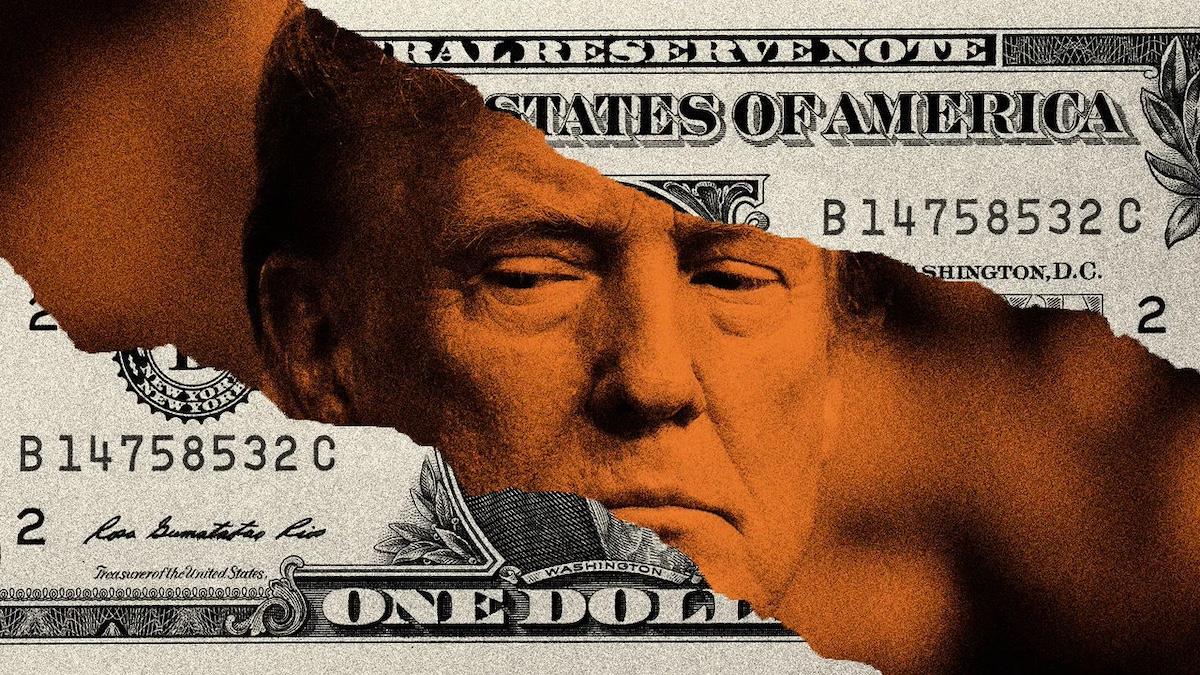
Why Trump's Midterm Rebuke Won't Likely Tank The Buck


That may give it the momentum to power through the uncertainty around the midterm elections, including any efforts by the Trump White House to interfere with the results. The Democrats won big on Tuesday, scoring both House of Representative and Senate majorities.
The true scale of Democratic victory won't be known for days, but Trump's party was widely routed, with margins wide enough across the nation that Trump at least initially seemed to accept the historic defeat in press interviews.
Markets gyrated on the prospect of Democratic policy pivots on fiscal policy, AI, the Iran war and investigations into the Trump White House. Stocks in general seem poised to rise while the dollar dipped slightly against the yen, pound and euro.
When the political dust settles, though, markets seem to expect yet another gravity-defying year for the dollar.
MUFG Bank says the Democratic sweep would“likely be modestly positive for Asian FX,” because fiscal gridlock would curb expectations of further US spending, weighing on yields and the dollar.
Manulife's Nathan Thooft agrees that divided government means fewer changes and“a degree of stability,” but cautions against overstating the long-term impact, since currencies follow relative growth, inflation, rates and capital flows more than elections.
Trump will still have significant levers, though. J.P. Morgan Asset Management's Tai Hui points to trade, tariffs, foreign policy and existing regulations, and notes that Democrats would need a two-thirds supermajority to override his veto.
A continued dollar rally would threaten Asian currencies and tighten credit globally, just as governments in the region are contending with the Middle East war and the risk of new US tariffs.
Asia has been here before. The 1997-98 financial crisis had its roots in the Fed's 1994-95 tightening, when rates doubled in 12 months under Fed Chairman Alan Greenspan. That tipped Mexico into crisis, and the resulting dollar surge then made Asia's currency pegs impossible to hold.
Thailand devalued first, then Indonesia and South Korea, which together took $118 billion in IMF-led bailouts. Malaysia and the Philippines were pushed to the brink without seeking help. Emerging markets have feared Fed hikes ever since, as the 2013“taper tantrum” showed.
Now the Iran war has brought the dollar's wrecking-ball tendencies back. The Indonesian rupiah is down 8.8% this year to record lows, the Philippine peso is down 7.7%, and the Thai baht and Korean won are each down 7%. All of this is happening despite runaway US debt, high inflation, tariffs, tax cuts and heavy spending.

Legal Disclaimer:
MENAFN provides the
information “as is” without warranty of any kind. We do not accept
any responsibility or liability for the accuracy, content, images,
videos, licenses, completeness, legality, or reliability of the information
contained in this article. If you have any complaints or copyright
issues related to this article, kindly contact the provider above.


Comments
No comment