


6 Everyday Foods That Can Interact With Common Prescription Medications


Food, beverages, and other medications can all influence how prescription drugs work. That being said, here are six common interactions worth discussing with your pharmacist.
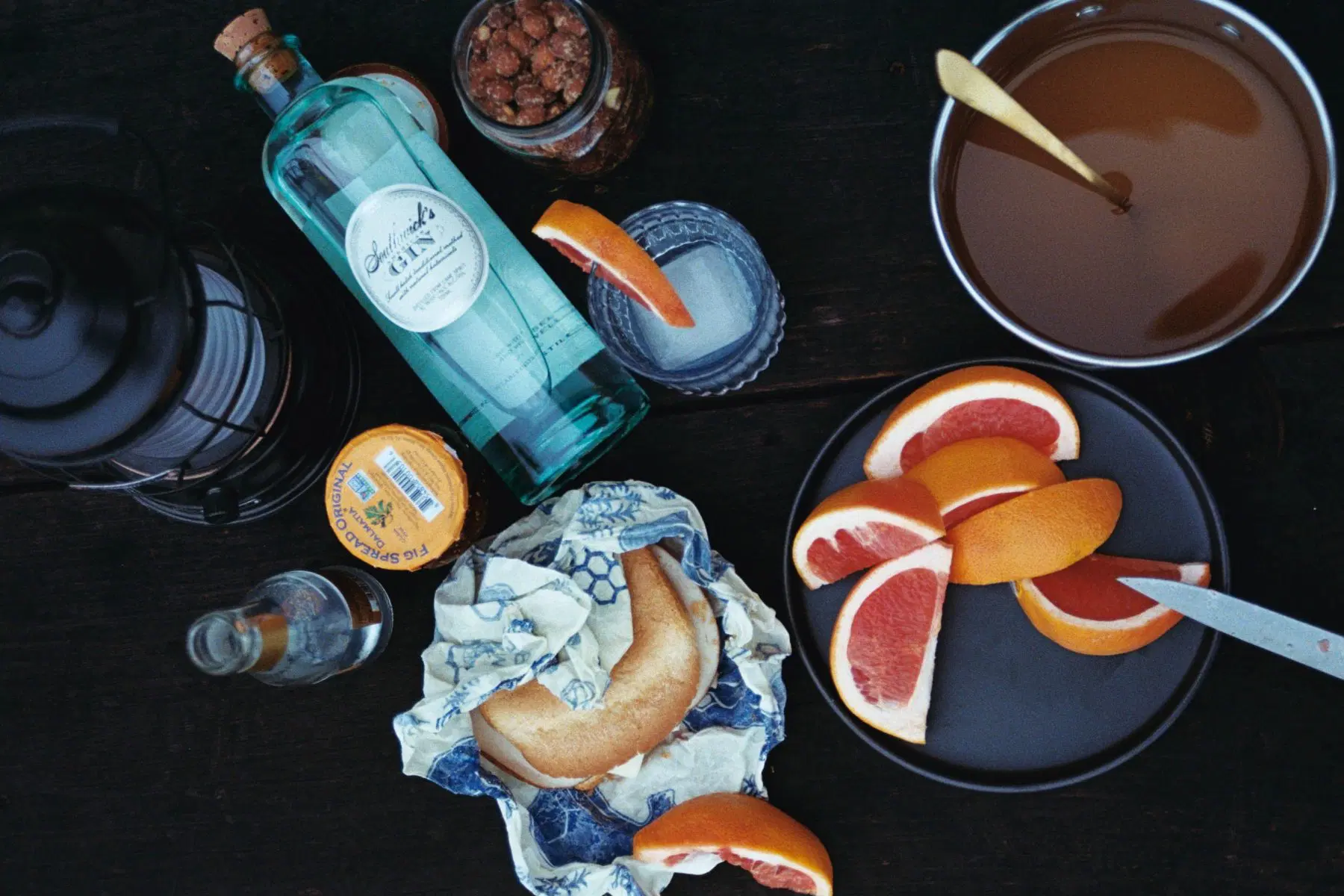
1. Grapefruit Can Increase the Effects of Certain MedicationsGrapefruit and grapefruit juice are well-known for interfering with several prescription medications, including certain cholesterol-lowering drugs and blood pressure treatments. Grapefruit can block an intestinal enzyme responsible for breaking down some medications, allowing higher amounts of the drug to enter your bloodstream.
For example, people taking certain statins, such as simvastatin, may experience increased medication exposure and a greater risk of side effects when consuming grapefruit. However, not every statin or blood pressure medication interacts with grapefruit, and some drugs can actually become less effective because grapefruit interferes with their absorption.
Check your prescription information or ask your pharmacist whether grapefruit should be avoided entirely while taking your specific medication.
2. Leafy Greens Can Affect Certain Blood ThinnersSpinach, kale, collard greens, and other leafy vegetables are packed with nutrients, but their vitamin K content can affect the anticoagulant warfarin. Warfarin works by interfering with vitamin K-dependent clotting processes, so significant changes in dietary vitamin K can alter how effectively the medication prevents dangerous blood clots.
People taking warfarin should maintain a consistent vitamin K intake rather than suddenly increasing or decreasing consumption. This doesn't mean patients need to eliminate nutritious vegetables from their diets, and newer anticoagulants such as apixaban generally don't have the same vitamin K food restriction.
If you take warfarin, discuss major dietary changes with your healthcare team and follow recommended blood-testing schedules.
3. Milk and Dairy Products Can Reduce Antibiotic AbsorptionA glass of milk or a serving of yogurt may seem harmless when taking antibiotics, but calcium can interfere with the absorption of certain medications. Some antibiotics, including tetracyclines and fluoroquinolones, can bind to minerals such as calcium, potentially reducing the amount of medication absorbed into the bloodstream.
According to the National Library of Medicine's MedlinePlus, tetracycline should not be taken with dairy products because they can interfere with its effectiveness. However, the restrictions vary by antibiotic, and many commonly prescribed antibiotics can be taken with food or dairy without the same problem.
Before taking a prescription with breakfast, check whether you need to separate the medication from milk, yogurt, calcium supplements, or fortified beverages.
4. Bananas and Other Potassium-Rich Foods May Require AttentionBananas, potatoes, tomatoes, and avocados provide potassium, an essential mineral that helps regulate muscle function and heart rhythm. However, certain medications, including ACE inhibitors such as lisinopril and potassium-sparing diuretics such as spironolactone, can increase potassium levels in the blood.
Excessive potassium, known as hyperkalemia, can become dangerous, particularly for people with kidney disease or those taking medications that affect potassium regulation. Eating a banana doesn't automatically create a medical emergency, but people at increased risk may need individualized dietary guidance and periodic blood tests.
Ask your healthcare provider whether your medications require potassium monitoring, and avoid potassium supplements or potassium-based salt substitutes unless they've been approved.
5. Aged Cheese and Fermented Foods Can Interact With Certain AntidepressantsAged cheeses, cured meats, fermented products, and some other foods contain tyramine, a naturally occurring substance that can affect blood pressure. For people taking certain monoamine oxidase inhibitors (MAOIs), including phenelzine and tranylcypromine, consuming large amounts of tyramine can trigger a potentially dangerous increase in blood pressure.
The National Library of Medicine provides dietary precautions for people taking phenelzine, including avoiding specific foods high in tyramine. These restrictions don't apply to most commonly prescribed antidepressants, such as many selective serotonin reuptake inhibitors, so patients shouldn't assume every depression medication requires the same diet.
If you've been prescribed an MAOI, request a detailed food list from your pharmacist and seek emergency medical attention for a sudden severe headache or other symptoms of a hypertensive crisis.
6. High-Fiber Foods Can Affect Thyroid Medication AbsorptionOatmeal, bran cereals, beans, and whole grains are excellent sources of dietary fiber, but timing matters for people taking certain thyroid medications. Levothyroxine, commonly prescribed for hypothyroidism, is especially sensitive to factors that affect its absorption in the digestive system.
Levothyroxine is generally taken on an empty stomach, typically 30 to 60 minutes before breakfast, and certain foods and supplements can interfere with absorption. A sudden increase in dietary fiber may affect how consistently the medication works, potentially requiring additional monitoring or a dosage adjustment by your prescriber.
Rather than eliminating healthy high-fiber foods, maintain a consistent routine and ask your pharmacist about the best medication timing for your eating habits.
Small Changes at Mealtime Can Protect Your Health and WalletUnderstanding food and medication interactions is particularly important for older adults who may take several prescriptions to manage chronic health conditions. An overlooked interaction can sometimes lead to additional doctor visits, unnecessary medication adjustments, or complications that increase healthcare expenses. Fortunately, many food and medication interactions can be managed through consistent eating habits, proper medication timing, and regular conversations with your healthcare team. Before eliminating foods or changing how you take a prescription, ask your pharmacist to review your medications, supplements, and typical diet, because the safest approach depends on the exact drugs and doses involved.
Have you ever discovered that something you regularly eat or drink could interfere with a prescription medication, and did your pharmacist or doctor explain the risk? Share your experience in the comments.

Legal Disclaimer:
MENAFN provides the
information “as is” without warranty of any kind. We do not accept
any responsibility or liability for the accuracy, content, images,
videos, licenses, completeness, legality, or reliability of the information
contained in this article. If you have any complaints or copyright
issues related to this article, kindly contact the provider above.


Comments
No comment