


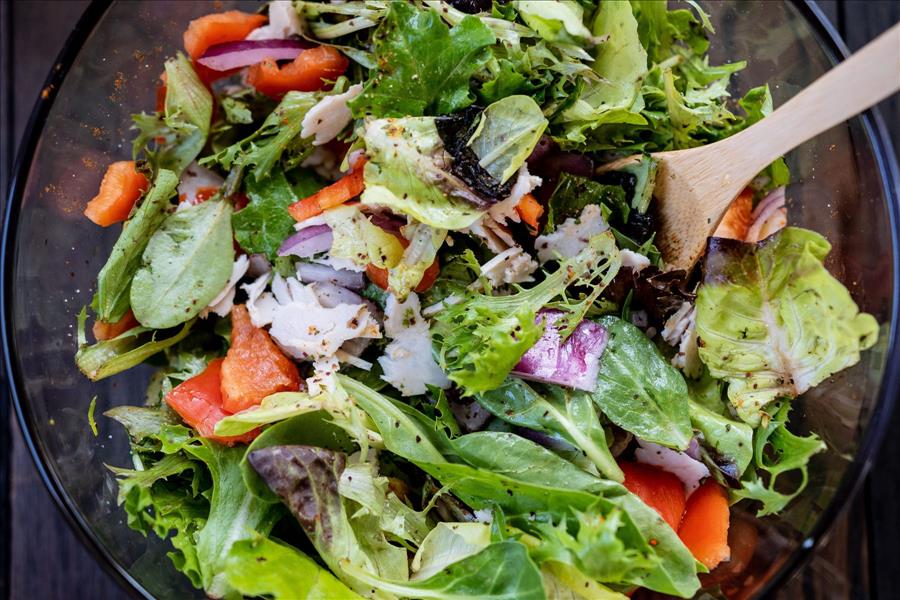
Buying Bagged Salad? Check These 5 Things Before It Goes In Your Cart


Bagged salad is a convenient grocery purchase, especially when you want an easy side dish or a quick lunch without washing and chopping vegetables. But unlike many pantry staples, packaged greens have a relatively short shelf life. A bag can look perfectly fine on the outside while leaves near the bottom are already wet, bruised, or beginning to break down.
That makes choosing the right package more important than simply grabbing the one with the latest date or lowest price. A little inspection can help you avoid bringing home slimy greens that end up in the trash a day or two later. Before buying bagged salad, check these five things to determine whether it belongs in your cart or should stay on the shelf.
Check the Use-By Date, but Don't Rely on It AloneThe first thing to check is the date printed on the package. Depending on the product, it may say use by, best by, sell by, or enjoy by. A package with a later date generally gives you more time to use the salad, but that date is not a guarantee that the greens will remain fresh until then. Storage conditions and handling can affect quality before the printed date arrives.
Compare several packages rather than automatically choosing the first one you see. If you plan to use the salad within a day or two, a package with a shorter remaining shelf life may be perfectly reasonable if it looks fresh and has been properly refrigerated. However, if you are shopping for meals later in the week, choose a package with more time remaining. The date should help guide your decision, not replace a visual inspection.
Look for Slimy, Yellow, or Wilted LeavesThe condition of the leave is one of the most useful clues when deciding whether to purchase bagged salad. Fresh greens should generally have their expected color and texture, depending on the variety. If you can see through the packaging, look for leaves that appear crisp rather than collapsed, discolored, or coated with a wet film.
Yellowing does not always mean a salad is unsafe, but widespread discoloration can indicate declining quality. Slimy leaves, mushy sections, or visible mold are much stronger reasons to put the package back. Pay particular attention to the bottom of the bag, where damaged leaves and moisture can collect. If the salad looks like it has already started breaking down, a discount is unlikely to make it worthwhile.
Check for Excess Moisture Inside the BagA small amount of moisture can be normal in packaged greens, but a bag filled with visible liquid or heavy condensation deserves a closer look. Excess moisture can encourage deterioration, particularly when leaves are already bruised or damaged. If the greens are sitting in pooled liquid, they may not stay fresh much longer.
Look for wet, compressed leaves and signs that the package has been stored improperly. Condensation alone does not prove that a salad is spoiled, since temperature changes can cause moisture to form inside packaging. However, when moisture appears alongside slimy leaves, discoloration, or a sour odor, choose another package. You want greens that look fresh and are not sitting in a damp, deteriorating pile.
Inspect the Packaging for Damage or SwellingBagged salad relies on packaging to protect the greens during transportation and storage. Before purchasing, look for tears, punctures, broken seals, or other damage that could expose the contents to contamination. Even a small opening can affect the product's protection and shorten its usable life.
Also pay attention to unusual swelling or packages that appear significantly different from others of the same product. Some salad packaging uses modified-atmosphere technology, so the bag may naturally contain air and should not always look tightly compressed. However, an unusually swollen package combined with damaged greens, liquid, or an unpleasant odor is a reason to leave it behind. When the packaging looks compromised, choose an intact product instead.
Make Sure the Salad Is Being Kept ColdBagged salad belongs in the refrigerated section, and the temperature at which it is stored matters. The FDA recommends keeping refrigerators at 40 degrees Fahrenheit or below, while the USDA advises shoppers to select refrigerated foods last during grocery shopping and take them home promptly. If a salad package is sitting outside the refrigerated case or feels noticeably warm, do not assume it is still safe.
Look for refrigerated displays that appear clean and properly maintained. Avoid packages stored in areas where the cooler is not functioning or where products appear to have been left out for an extended period. Once you bring the salad home, refrigerate it promptly and follow the package's storage instructions. Keeping it cold helps preserve quality, but it cannot reverse spoilage that has already started.
Should You Buy Manager's Special Bagged Salads?Manager's specials can be tempting, especially when a store marks down bagged salad because the printed date is approaching. A reduced price does not automatically mean the product is unsafe. If the bag is intact, the greens look fresh, there is no unusual odor or sliminess, and you plan to eat the salad that day or very soon, the discount may be worthwhile.
However, do not let the markdown convince you to overlook warning signs. If the leaves are slimy, the package is leaking, or there is visible mold, leave it behind regardless of the price. Also consider whether you can realistically finish the salad before it deteriorates. A discounted bag that gets thrown away the next day is not a bargain. If you are buying it for a specific meal and can use it immediately, a manager's special may be a practical way to save.
What to Do After Bringing Bagged Salad HomeOnce you get home, place bagged salad in the refrigerator as soon as possible. Keep it in its original packaging unless the instructions recommend otherwise, and avoid storing it in a warm area of the refrigerator or leaving it on the counter while preparing other groceries. If the package has already been opened, follow the manufacturer's storage instructions and reseal it properly to limit exposure to air and moisture.
Check the greens again before serving, even if the package is still within its printed date. If you notice sliminess, mold, or an unpleasant odor, discard the salad rather than trying to wash away the signs of spoilage. Also remember that some bagged greens are labeled prewashed or ready to eat. Follow the package directions instead of automatically washing them again, which can introduce additional moisture and opportunities for cross-contamination.
A Lower Price Isn't Worth Bringing Home Spoiled GreensBagged salad can be a convenient and affordable grocery purchase, but only when you choose a package that is still in good condition. Checking the date, leaves, moisture, packaging, and refrigeration can help you avoid paying for produce that will not last. These simple steps are especially useful when comparing several packages or considering a manager's special.
Do not make the latest date or lowest price your only deciding factor. A slightly more expensive bag with crisp leaves and intact packaging may offer better value than a discounted package nearing the end of its shelf life. If something looks slimy, moldy, damaged, or unusually wet, put it back. The best grocery deal is the salad you can safely enjoy before it goes bad.
What To Read NextWhy Your Bagged Salad Turns Slimy Before You Finish It
Made Fresh Salads Recalls Deli Salads, Cream Cheese and Other Foods Over Listeria Risk
A $6 Bag of Salad vs. Buying the Ingredients Separately: Which Is Actually Cheaper?
Why You Should Stop Buying Salad Kits Immediately
12 Salad Mixes That Fail to Last Until Dinner

Legal Disclaimer:
MENAFN provides the
information “as is” without warranty of any kind. We do not accept
any responsibility or liability for the accuracy, content, images,
videos, licenses, completeness, legality, or reliability of the information
contained in this article. If you have any complaints or copyright
issues related to this article, kindly contact the provider above.


Comments
No comment