


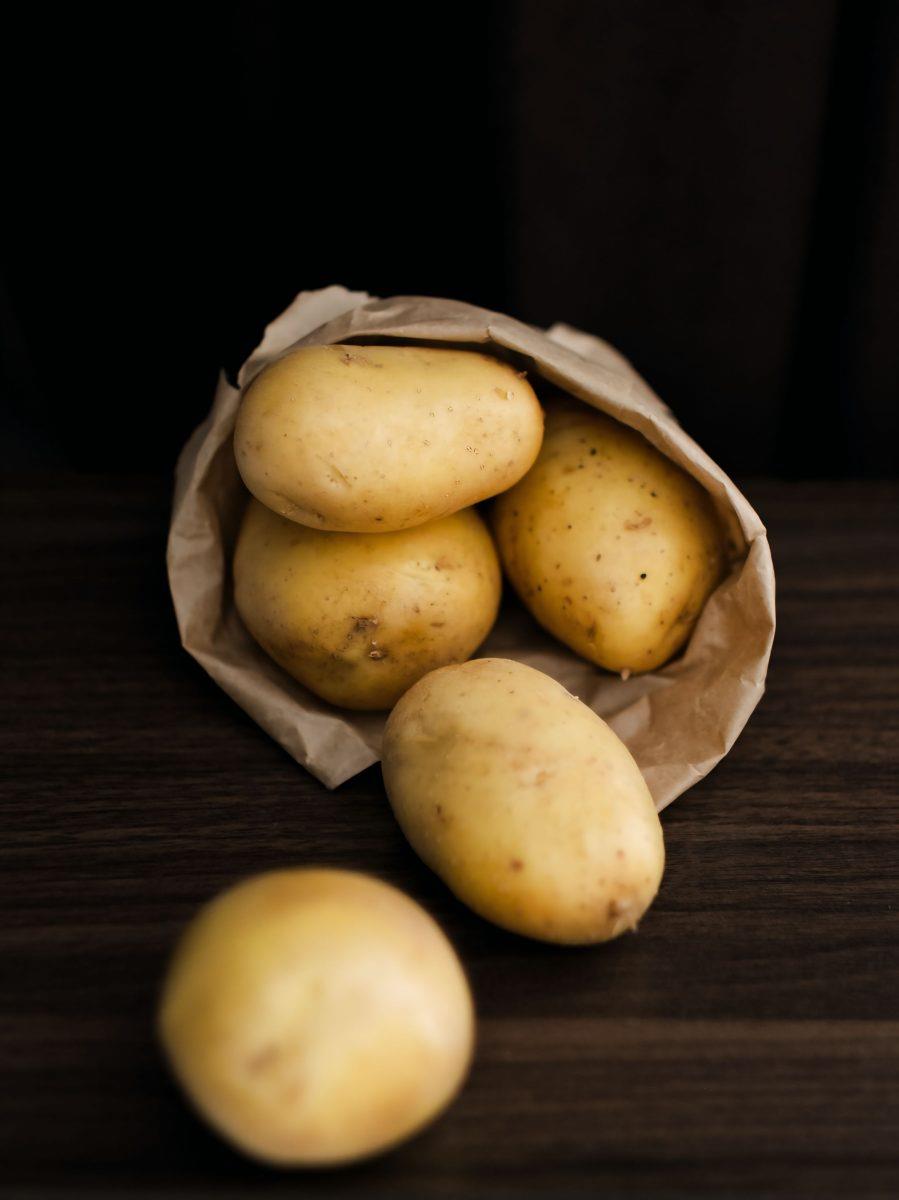
Why That Big Bag Of Potatoes Could Be A Bad Deal For A Small Household


Potatoes are one of the more flexible grocery staples, which makes it easier to work them into meals before they spoil. Baked potatoes, roasted wedges, mashed potatoes, and homemade fries are familiar options, but they can also stretch meals that already include ingredients in your refrigerator. Add diced potatoes to breakfast hash, mix them into vegetable soup, or roast a tray with carrots and onions to serve alongside dinner. Making a larger batch of one dish can also help use several potatoes at once.
You do not have to serve the same potato side dish every night, either. Try potato salad, homemade potato pancakes, shepherd's pie, or a simple skillet meal with leftover vegetables and protein. If you have more potatoes than you can reasonably use, consider preparing and freezing them in a suitable cooked form rather than freezing them raw. Mashed potatoes and some cooked potato dishes freeze better than whole raw potatoes, which can develop an unpleasant texture after thawing. Planning two or three potato-based meals when you buy a large bag can make the purchase more worthwhile.
When Should You Throw Potatoes Away?Sprouting alone is not necessarily a reason to discard a potato, but other warning signs deserve attention. Potatoes that are extensively green, moldy, rotten, or noticeably soft and shriveled should not be used. A strong unpleasant smell or wet, mushy areas are also reasons to throw them away. If a potato tastes bitter, stop eating it rather than trying to cover the flavor with seasoning or cooking.
When inspecting a bag, look at the potatoes individually instead of assuming the entire supply is either good or bad. One spoiled potato does not automatically mean every potato in the bag must be discarded, but remove deteriorating ones promptly and check the remaining supply carefully. If several potatoes are already soft, green, or heavily sprouted when you open the bag, the purchase may have been sitting too long or stored poorly. That is a useful warning to consider when choosing your next bag at the store.
Make the Bag Size Match Your HouseholdA large bag of potatoes can be a good deal for households that cook with them regularly and have a suitable place to store them. But a lower price per pound does not help much when several potatoes are left unused. Smaller households should consider their weekly meal plans, available storage space, and how quickly they typically go through fresh produce before choosing a bulk package.
If you already have a large bag at home, check it regularly, store it somewhere cool and dark, and plan meals that use several potatoes at a time. Remember that a firm potato with a few small sprouts may still be usable after proper trimming, while extensively green, rotten, or deteriorated potatoes belong in the trash. The best grocery deal is the amount you can realistically use, not simply the biggest bag for the lowest price.
What To Read NextHow to Buy and Store Sweet Potatoes and Yams
9 Thanksgiving Foods You Can Safely Buy Weeks in Advance
7 Restaurant Extras That Can Quietly Double the Price of Your Meal
The Food Isn't Any Healthier - But This Plating Trick May Make You Think It Is
Stop Washing These Foods Before You Store Them

Legal Disclaimer:
MENAFN provides the
information “as is” without warranty of any kind. We do not accept
any responsibility or liability for the accuracy, content, images,
videos, licenses, completeness, legality, or reliability of the information
contained in this article. If you have any complaints or copyright
issues related to this article, kindly contact the provider above.


Comments
No comment