


Explainer: How GCC Can Avoid Being Drawn Into Another US-Iran War Escalation


The latest reported US strikes on Iran's Qeshm Island have brought renewed attention to the risks facing Gulf countries, even as diplomatic efforts continue to prevent a return to large-scale fighting.
Recommended For YouThe strikes, reported on Tuesday, November 3, came just as US President Donald Trump suggested that an agreement with Tehran remained possible.
According to Reuters, US officials described the operation as limited and defensive, saying it did not signal a return to major combat operations. Iranian state media reported explosions on the island, which lies in the Strait of Hormuz.
Stay up to date with the latest news. Follow KT on WhatsApp Channels.
For the six Gulf Cooperation Council (GCC) countries, the developments raise a wider question: how can the region avoid being drawn into another escalation while negotiations remain uncertain?
Although Saudi Arabia, the UAE, Qatar, Kuwait, Bahrain and Oman share concerns about regional security, their geographical positions, diplomatic roles and defence relationships mean they face different challenges.
Diplomacy continues despite military pressureEfforts to reach an agreement between Washington and Tehran have continued through regional mediators. Qatar and Pakistan are playing active roles in the indirect negotiations, according to Iranian Foreign Minister Abbas Araghchi.
Iranian negotiators travelled to Doha for discussions with Qatari mediators before leaving on November 1. Their departure did not signal a breakdown in talks, according to an official familiar with the negotiations.
The discussions have focused partly on reopening the Strait of Hormuz, where restrictions on shipping have disrupted energy supplies and international trade.
Iran has proposed reopening the waterway as part of a broader agreement that would require Washington to meet several demands, including lifting restrictions on Iranian ports and addressing sanctions.
No final agreement, however, has been announced. US Secretary of State Marco Rubio said on Saturday that Trump had not decided whether to launch further strikes and would prefer a diplomatic solution.
Why the risks differ across the GulfWhile the six GCC countries are closely connected economically and politically, their exposure to a renewed conflict is not identical.
Bahrain hosts the US Navy's Fifth Fleet, making the security of American military facilities an important consideration during any confrontation involving Washington and Tehran.
Kuwait, which also maintains close defence ties with US, faces concerns linked to its location in the northern Gulf and the security of nearby maritime routes.
Saudi Arabia's concerns extend to energy infrastructure, oil exports and regional security, particularly as tensions involving Yemen's Houthi movement continue.
The UAE, a major international aviation, trade and logistics hub, has an interest in avoiding further disruption to commercial activity and regional transport networks.
These are potential areas of exposure rather than evidence that the four countries have announced new emergency measures following the latest reported strikes.
For Qatar and Oman, diplomacy and maritime security are especially prominent in the current developments. Qatar's mediation efforts place it directly within negotiations between Washington and Tehran, while Oman has continued to support a political solution.
During Sultan Haitham bin Tariq's visit to China on Monday, Oman and China called for disputes to be resolved through political and diplomatic means and urged Washington and Tehran to pursue a peaceful path.
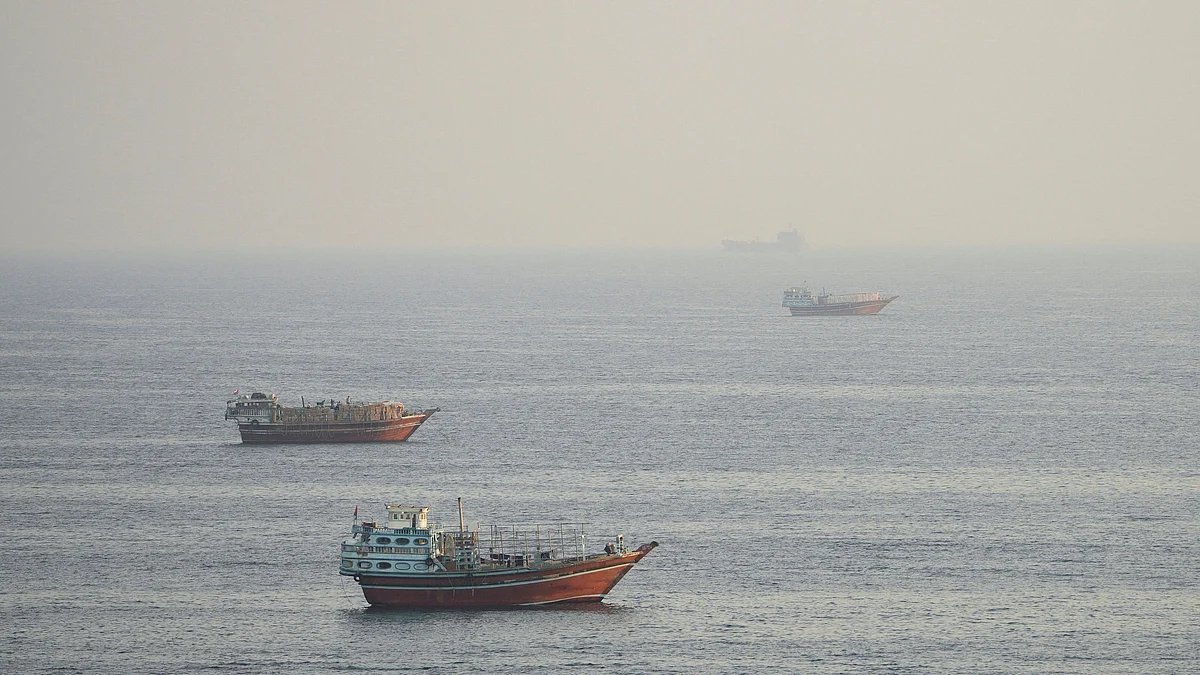
Strait of Hormuz remains central to the crisisOne issue connecting all six Gulf countries is the future of the Strait of Hormuz. The waterway is a vital route for energy shipments, and restrictions on maritime traffic have affected oil markets and shipping operations.
The latest negotiations have placed the strait at the centre of efforts to end the conflict. Iran has said it could restore access within a short period if its demands are met, although Washington has not accepted Tehran's proposed terms.
For Gulf economies, restoring reliable maritime access would help reduce uncertainty over exports, imports and commercial shipping. But the issue is not limited to trade. Any renewed military confrontation near the waterway could create additional risks for vessels, coastal infrastructure and regional security.
Can diplomacy prevent another escalation?The coming days could prove important for efforts to prevent further fighting. Trump has suggested that a deal with Iran remains possible, while Tehran has continued to insist that its security and economic demands must be addressed.
The limited strikes reported on Qeshm Island demonstrate that military activity has not completely stopped, even as mediators work to narrow the differences between the two sides.
For Gulf countries, the outcome matters beyond the immediate relationship between Washington and Tehran.
A diplomatic breakthrough could help ease pressure on regional security and trade, while a breakdown in negotiations could expose neighbouring countries to further uncertainty.
Although the six GCC states face different challenges, they share an interest in preventing another major escalation and restoring stability to one of the world's most important energy and trading regions.
ALSO READ- Explained: What are Iran's seven conditions for ending war with US? US strikes Iran's Qeshm island, Wall Street Journal reports; explosions heard UAE ready to take all necessary measures if Iran attacks again, says official UAE says hoping for breakthrough yet 'braced for the worst' in US-Iran war

Legal Disclaimer:
MENAFN provides the
information “as is” without warranty of any kind. We do not accept
any responsibility or liability for the accuracy, content, images,
videos, licenses, completeness, legality, or reliability of the information
contained in this article. If you have any complaints or copyright
issues related to this article, kindly contact the provider above.


Comments
No comment