


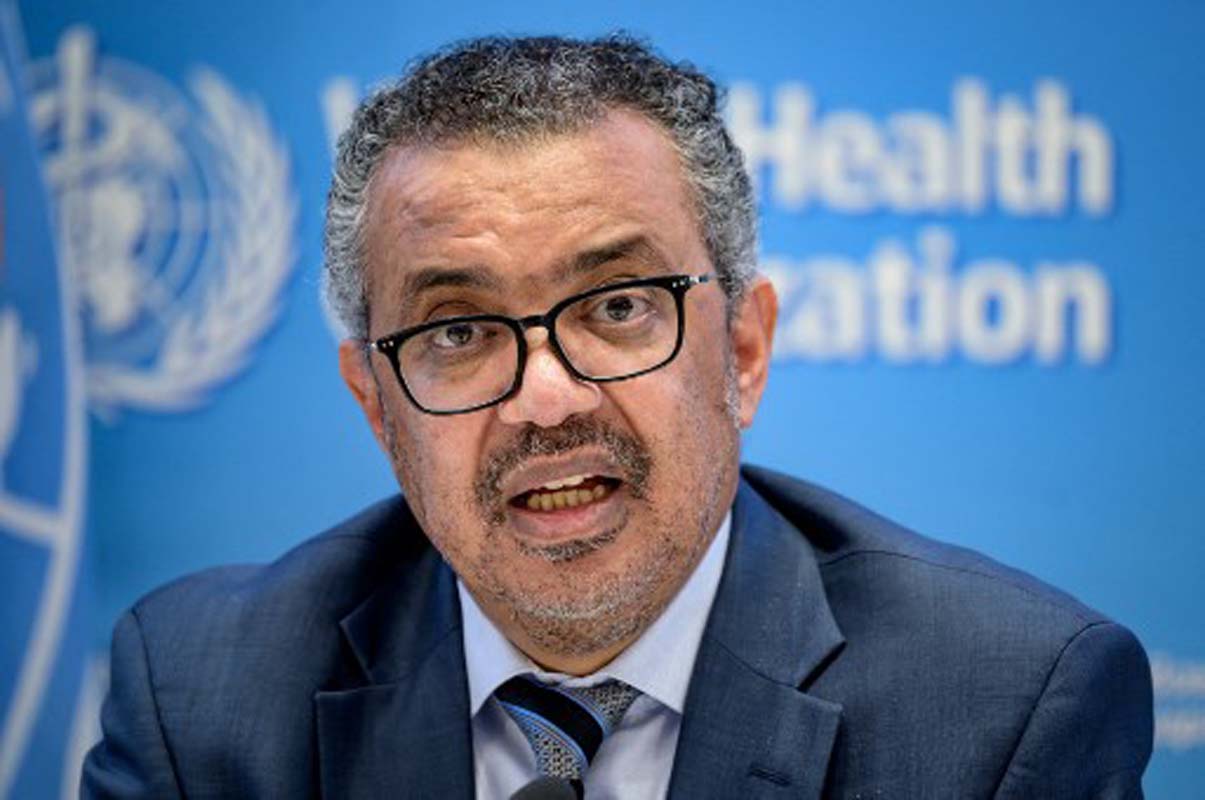
WHO Chief Condemns Attacks on Civilians in Ethiopia’s Amhara, Tigray


(MENAFN) World Health Organization (WHO) Director-General Tedros Adhanom Ghebreyesus on Monday expressed alarm over reported attacks on civilians in Ethiopia's Amhara and Tigray regions, describing the incidents as "deeply disturbing."
Tedros said children, including a newborn baby, were reportedly among those killed in an assault on the Jaari 2 displacement camp in Amhara. He also reported that several people lost their lives in another incident in Rama, Tigray, while attempting to obtain food.
"While these are the latest incidents, drone attacks and civilian casualties have tragically become frequent across Ethiopia," Tedros warned.
He cautioned that continued violence in northern Ethiopia "is pushing an already fragile health system closer to collapse," with medical facilities struggling to secure sufficient healthcare personnel, medicines and essential equipment.
The WHO chief also highlighted serious obstacles facing emergency medical services, noting that ambulance operations are "severely limited."
He added that deteriorating security conditions were preventing the delivery of critical medical supplies to certain areas, further complicating efforts to provide urgent healthcare to affected communities.

Legal Disclaimer:
MENAFN provides the
information “as is” without warranty of any kind. We do not accept
any responsibility or liability for the accuracy, content, images,
videos, licenses, completeness, legality, or reliability of the information
contained in this article. If you have any complaints or copyright
issues related to this article, kindly contact the provider above.


Comments
No comment